
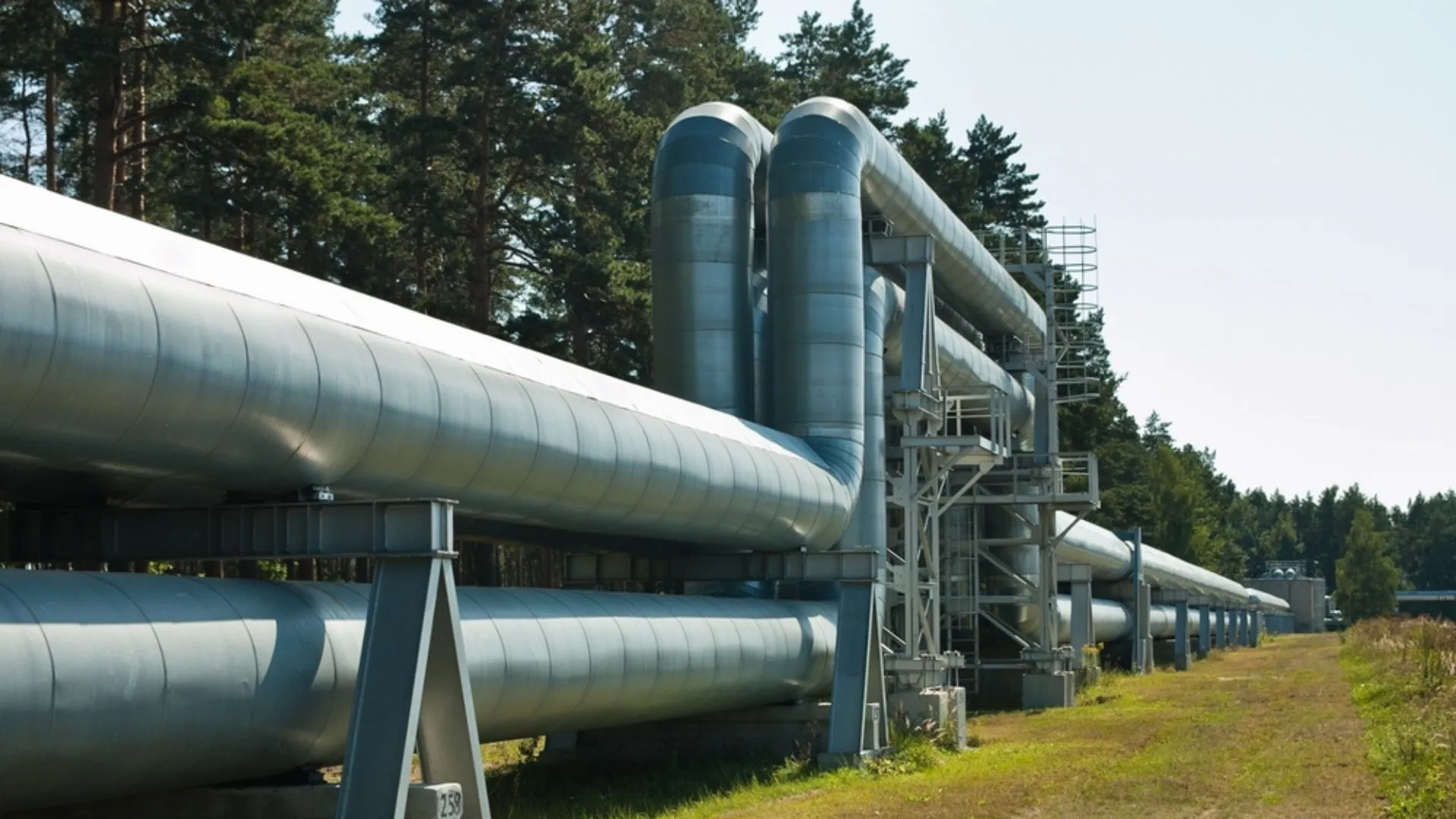
Following the disruption of oil flows through the Russian Druzhba pipeline, Croatia has expressed its willingness to guarantee crude oil supply to Hungary and Slovakia via the Adria pipeline. The move was announced by Prime Minister Andrej Plenkovic amid rising energy tensions in Central Europe.
Crude oil supply through the Adria pipeline
The Adria pipeline, operated by Croatian company JANAF, has sufficient capacity to fully meet the energy needs of both countries. According to Plenkovic, the system can transport up to 15 million tonnes per year, compared with the 14 million required by MOL Group refineries in Hungary and Slovakia.
While Russian infrastructure remains inactive following air strikes attributed to Moscow on Ukrainian territory, the Croatian option is gaining relevance. At the Omišalj terminal on the island of Krk, shipments of non-Russian crude are already being unloaded, and at least seven additional cargoes are expected during April.
European support and market prices
The Croatian proposal is being assessed with representatives of the European Commission, in coordination with the governments of Hungary and Slovakia. The talks cover logistical, legal, and commercial issues, including the possibility of importing Russian crude by sea within the framework of current sanctions.
Plenkovic stated that transport prices are aligned with market conditions, and that Croatia is acting as a partner committed to the region’s energy stability.
An energy network in transition
The current crisis has pushed Central European countries to seek alternatives to Russian oil. Croatian infrastructure, which already supplies other Balkan countries, is well positioned to take on a strategic role in this transition.
Croatia reaffirms its role as a regional ally in times of instability. Its offer strengthens the continent’s safety net in the face of scenarios of prolonged disruption to traditional supply.
Source: European Commission
Photo: Shutterstock