
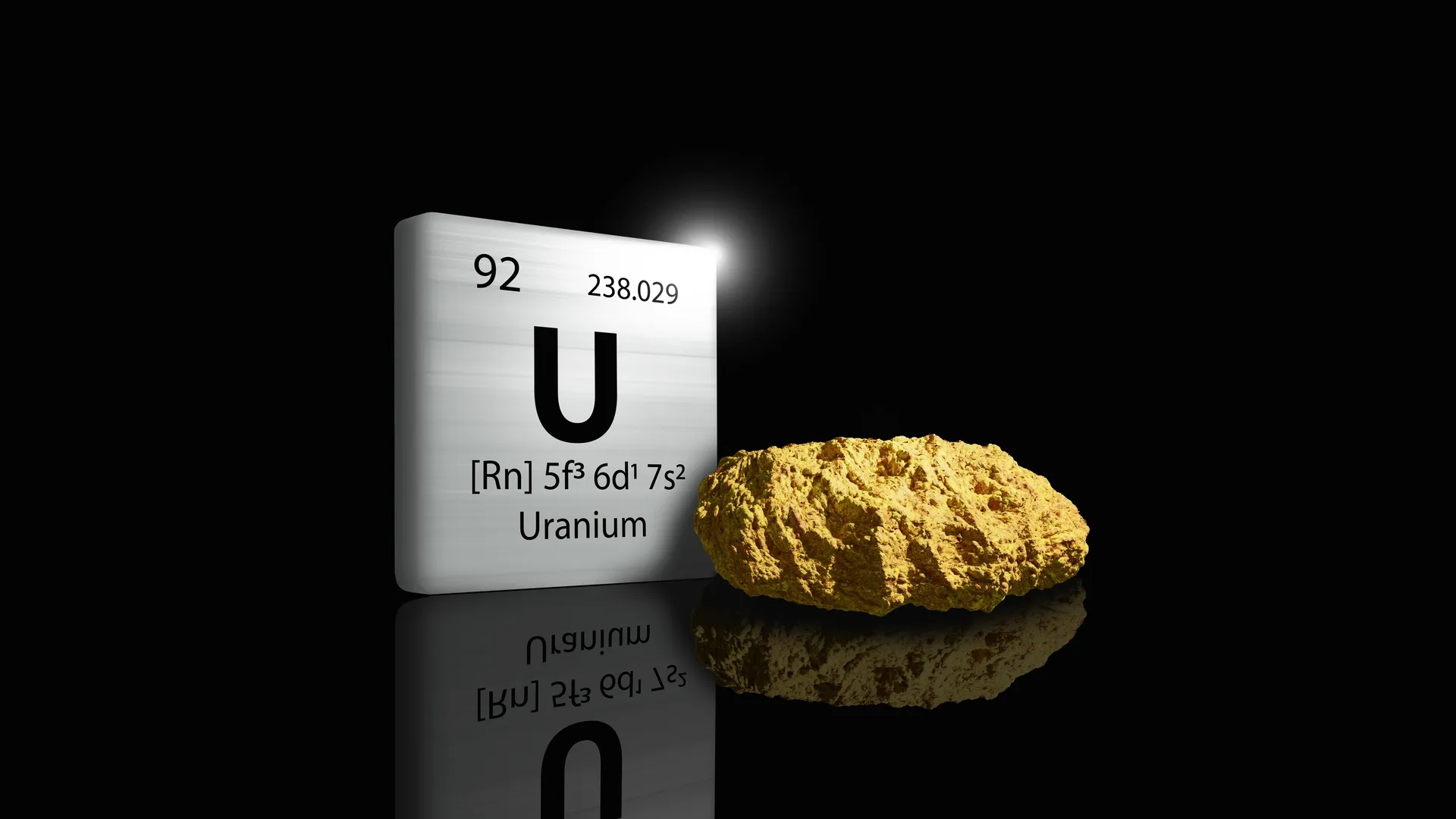
Canadian company Cameco has signed a uranium supply agreement with the Department of Atomic Energy of the Government of India, which includes the delivery of nearly 22 million pounds of uranium concentrate (U₃O₈) between 2027 and 2035, valued at an estimated USD 2.6 billion, with market-adjusted prices. This pact aligns with India’s energy security strategy, which currently operates 24 nuclear reactors and plans to reach 100 gigawatts of installed capacity by 2047.
A Long-Term Contract with Global Impact
Cameco CEO Tim Gitzel participated in the signing event held in Delhi, accompanied by Indian Prime Minister Narendra Modi, Canadian Prime Minister Mark Carney, and Saskatchewan Premier Scott Moe. Gitzel emphasized that “India is pursuing an ambitious nuclear expansion that requires a stable fuel supply.”
The company had previously maintained commercial relations with India between 2015 and 2020 under a prior contract. This renewal of the relationship confirms India’s confidence in Cameco as a reliable and strategic supplier, amidst an international trend where sovereign buyers secure large volumes in an increasingly tight market.
Implications for the Industry and the Region
According to industry analysts, this contract does not imply the opening of new mines by Cameco, but it does ensure stability in the operation of its current facilities in Saskatchewan. Furthermore, the agreement helps strengthen commercial and diplomatic ties between Canada and India, in a context where both nations seek to diversify their energy alliances.
With uranium prices averaging USD 86.95 per pound at the close of February 2026, Cameco consolidates its position as one of the main players in global nuclear fuel supply, alongside its investments in the complete fuel cycle through Westinghouse Electric Company and Global Laser Enrichment.
A Clear Signal for the Global Energy Future
The need for stable, low-emission energy sources continues to push many economies towards nuclear energy. India’s case is emblematic, and Cameco is positioned at the center of this transformation. The signed contract has not only an economic but also a symbolic impact, strengthening the strategic alliance between two growing powers in the nuclear sector.
Source and photo: Cameco