
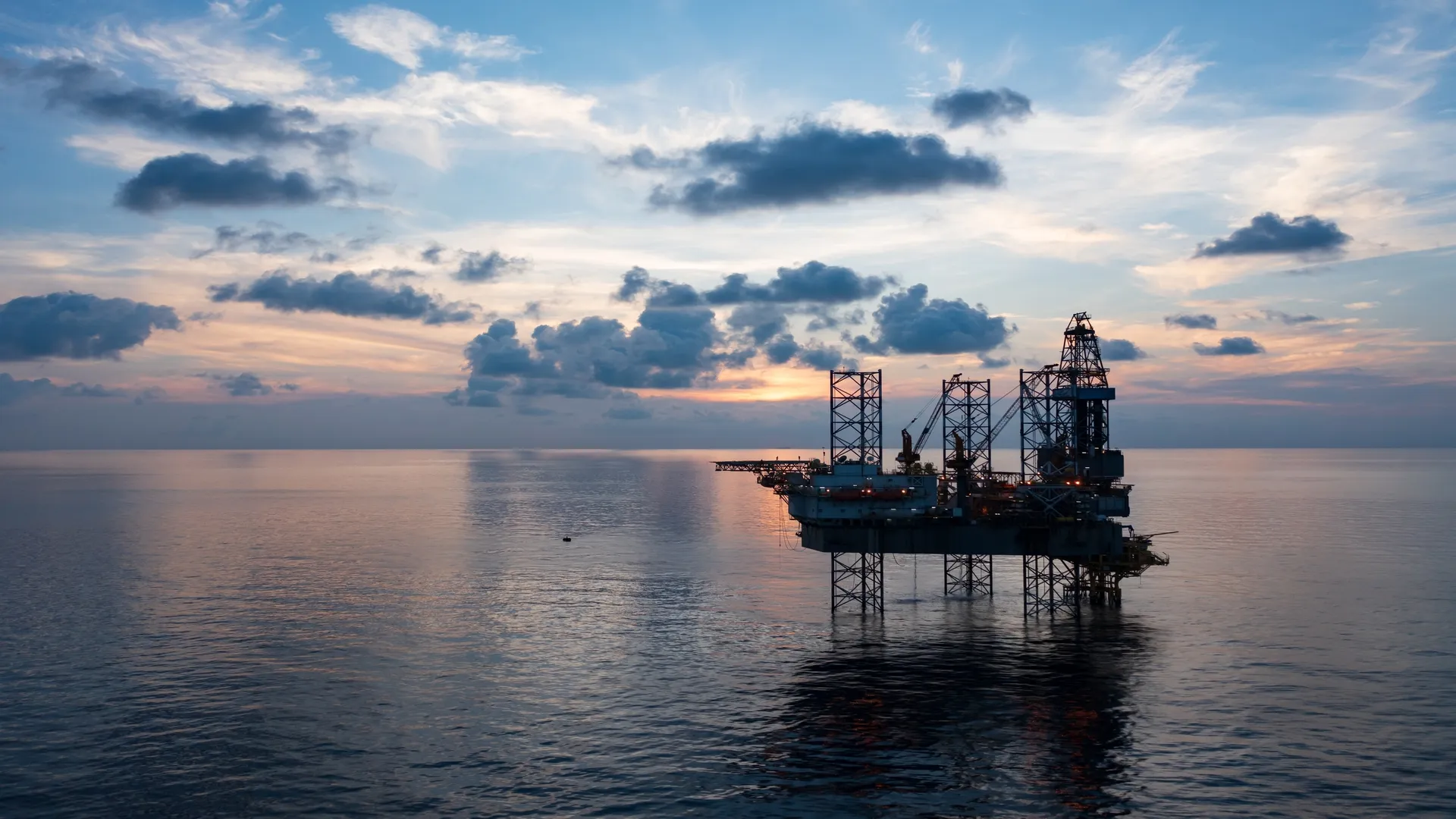
The Bureau of Ocean Energy Management (BOEM) announced this Tuesday the initiation of the process to evaluate potential oil and gas lease sales on the Outer Continental Shelf off California, a move that reignites the debate over offshore drilling in one of the states historically most opposed to this practice.
The federal agency communicated its intention to prepare a Programmatic Environmental Impact Statement (PEIS) focused on the Northern, Central, and Southern California Planning Areas, as part of the 11th National Outer Continental Shelf Leasing Program. This step marks the formal beginning of a process regulated by the National Environmental Policy Act.
Starting February 27, a 30-day public consultation period has opened, during which BOEM will receive comments from state, local, and tribal governments, as well as interested organizations and citizens. The input will serve to identify risks, mitigation measures, and reasonable alternatives for future decisions related to energy leasing in federal waters.
A Process with Strong Political and Environmental Impact
The programmatic statement will initially cover proposed sales for 2027 in central and southern California, and later a possible sale in the northern part of the state, scheduled for 2029. According to BOEM, all unleased blocks containing economically recoverable resources would be offered.
However, the proposal revives the historical opposition in California to oil expansion along its coast. No lease sale of this type has occurred in federal waters off the state since 1984, and various political and environmental sectors have already expressed their rejection.
Legislators and Local Authorities Reject the Initiative
State and local leaders in California have denounced the project promoted by the Trump administration, accusing it of endangering the coastal economy and marine ecosystems. In a recent letter, legislators such as Congressman Jared Huffman called for extending the consultation period to 90 days to allow for broader participation.
Entities such as the Arcata City Council and the Humboldt County Board of Supervisors have also joined the rejection, approving resolutions against the plan. The Humboldt Bay Harbor District is evaluating an ordinance to limit offshore drilling support facilities at its premises.
Future Implications
Environmental organizations like the Environmental Protection Information Center (EPIC) warned about potential weaknesses in the federal government’s environmental analysis. Even so, they urge citizens to actively participate in the consultation.
As this process unfolds, the future of the California coast as an oil-producing area will depend on the balance between national energy objectives, state political pressure, and the power of communities to influence decision-making.
Source: BOEM