
Table of Contents
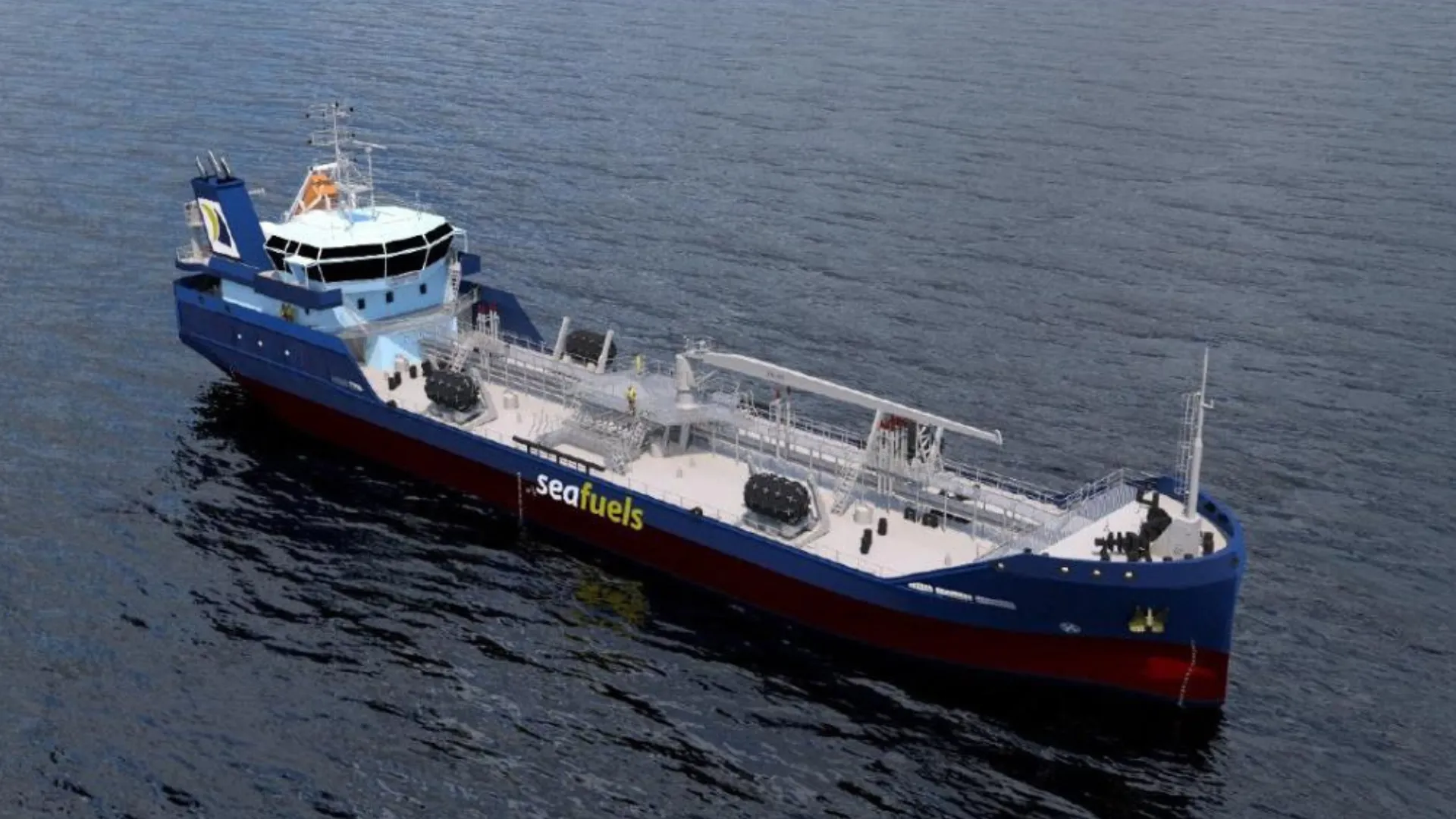
With an investment of $50 million, the Port of Auckland has confirmed the acquisition of a new tanker through its subsidiary Seafuels. The vessel is designed to supply alternative fuels such as biodiesel and methanol, in line with the growing environmental demands of the maritime industry.
This new asset will replace the veteran Awanuia, after 18 years of service, and is part of the port’s comprehensive plan to offer more sustainable energy solutions to shipping lines operating in New Zealand.
The international contract for the port of Auckland
The 88.8-meter vessel will be built by the Turkish shipyard ADA Denizcilik, which specializes in Class II chemical vessels, to International Maritime Organization standards. It is scheduled for delivery by the end of 2027, when it will also receive its name and a blessing ceremony.
Upon arrival, the vessel will operate under a long-term lease agreement with a leading bunker fuel supplier to the industry.
The new ship will continue to supply marine diesel and low-sulfur fuels, while adapting to new industry demands by integrating biofuels such as methanol and biodiesel. This initiative aligns with the IMO’s goals of achieving zero net emissions by 2050.
From the port terminal stated that this decision arises from an active dialogue with its shipping customers, who have expressed the need for real and viable solutions on the road to a cleaner operation.
The Port of Auckland set a benchmark in sustainability with the integration of the Sparky in 2022, its first 100 percent electric full-size tugboat worldwide. With this new vessel, it consolidates its role as a benchmark in the transition to a low-carbon port infrastructure.
Roger Gray, CEO of the Port of Auckland, said that this investment responds to a clear vision for the future, where safety, innovation and respect for the marine environment become strategic axes.
For his part, Allan D’Souza, head of Seafuels, reaffirmed that the new tanker guarantees energy supply and becomes a strategic tool to accompany the environmental evolution of maritime transport.
Source and photo: Port of Auckland