
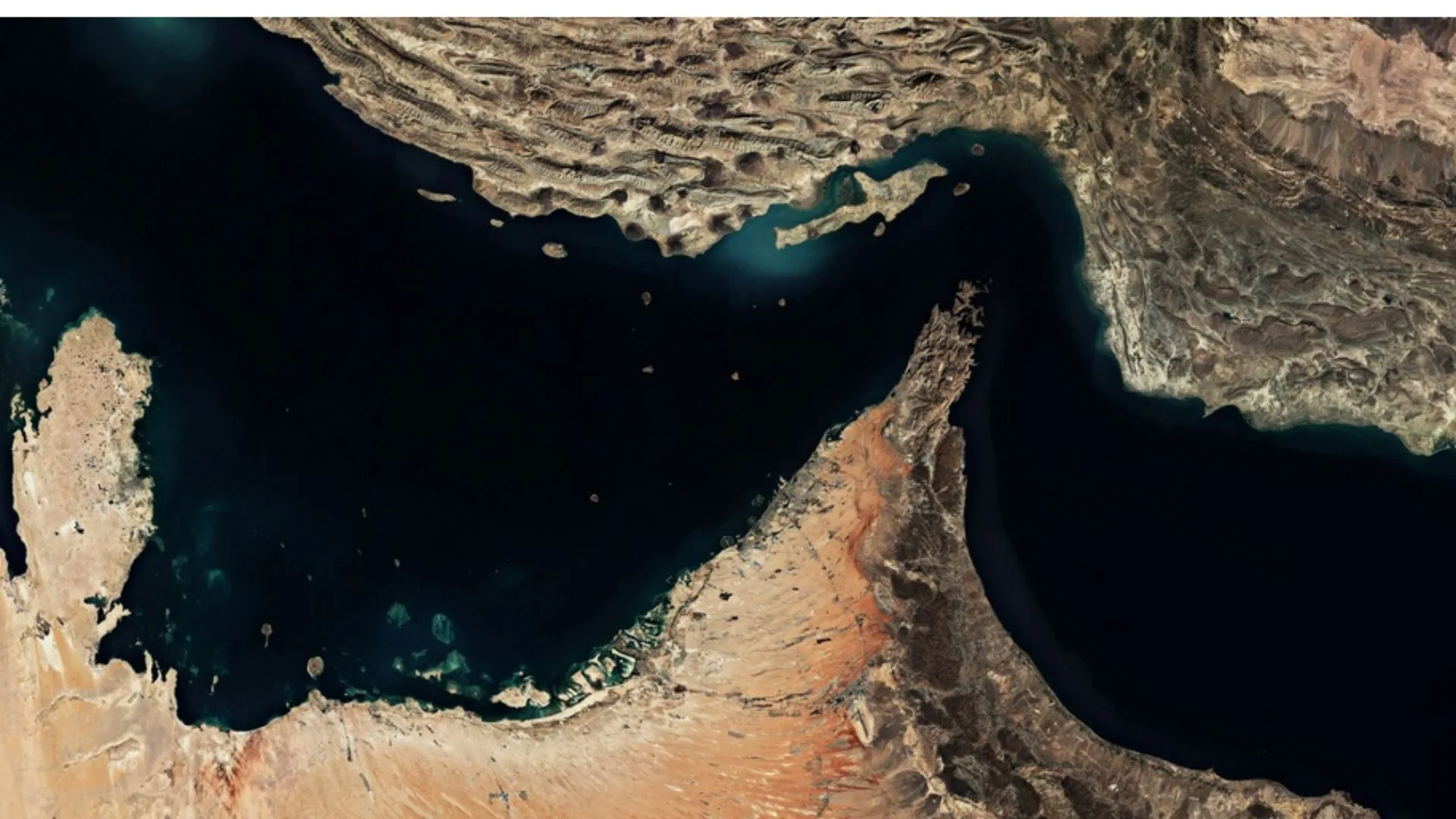
Strait of Hormuz: Energy System Chokepoint
The conflict in Iran causes the closure of Hormuz and represents the most disruptive event in the global energy system in decades. Approximately 20% of global oil and gas trade transits through this point, making it a critical node.
From a technical perspective, this disruption not only reduces supply but also fragments logistical flows. The inability to quickly redirect these volumes creates structural bottlenecks.
The immediate impact translates into elevated spot prices and extreme volatility. Without rapid response capability, the energy system enters a phase of prolonged stress.
Structural imbalance in global supply and demand
Prior to the conflict in Iran, the market anticipated a gas surplus, but the disruption has completely reversed this scenario. The loss of export capacity in the Gulf creates a deficit that is difficult to compensate.
Not even large producers can fill the void in the short term. The United States, although expanding LNG, cannot adjust its capacity in the time required by the market.
This technical imbalance is amplified by infrastructure limitations, including liquefaction plants, LNG carriers, and regasification terminals.
Impact on logistical chains and energy costs
The conflict in Iran has directly affected global maritime transport. Diverted vessels, increased routes, and higher insurance costs generate a significant increase in logistical costs.
The energy sector does not operate in isolation. The rising cost of fuel impacts industries such as fertilizers, aviation, and transport, creating cascading effects on the global economy.
From a technical standpoint, energy logistics become a limiting factor. The efficiency of the system no longer depends solely on production, but on delivery capacity.
Energy transition: acceleration for security
DNV’s analysis shows a clear pattern: when energy security becomes a priority, the energy transition accelerates. This conflict in Iran reinforces that trend.
Renewable energies, storage, and nuclear emerge as structural solutions against the volatility of fossil fuels. However, the transition is neither immediate nor linear.
The technical challenge lies in the necessary CAPEX and implementation times. Even so, the current crisis redefines priorities and consolidates decarbonization as an energy security strategy.
Source: https://www.dnv.com/
Photo: Shutterstock