
Table of Contents
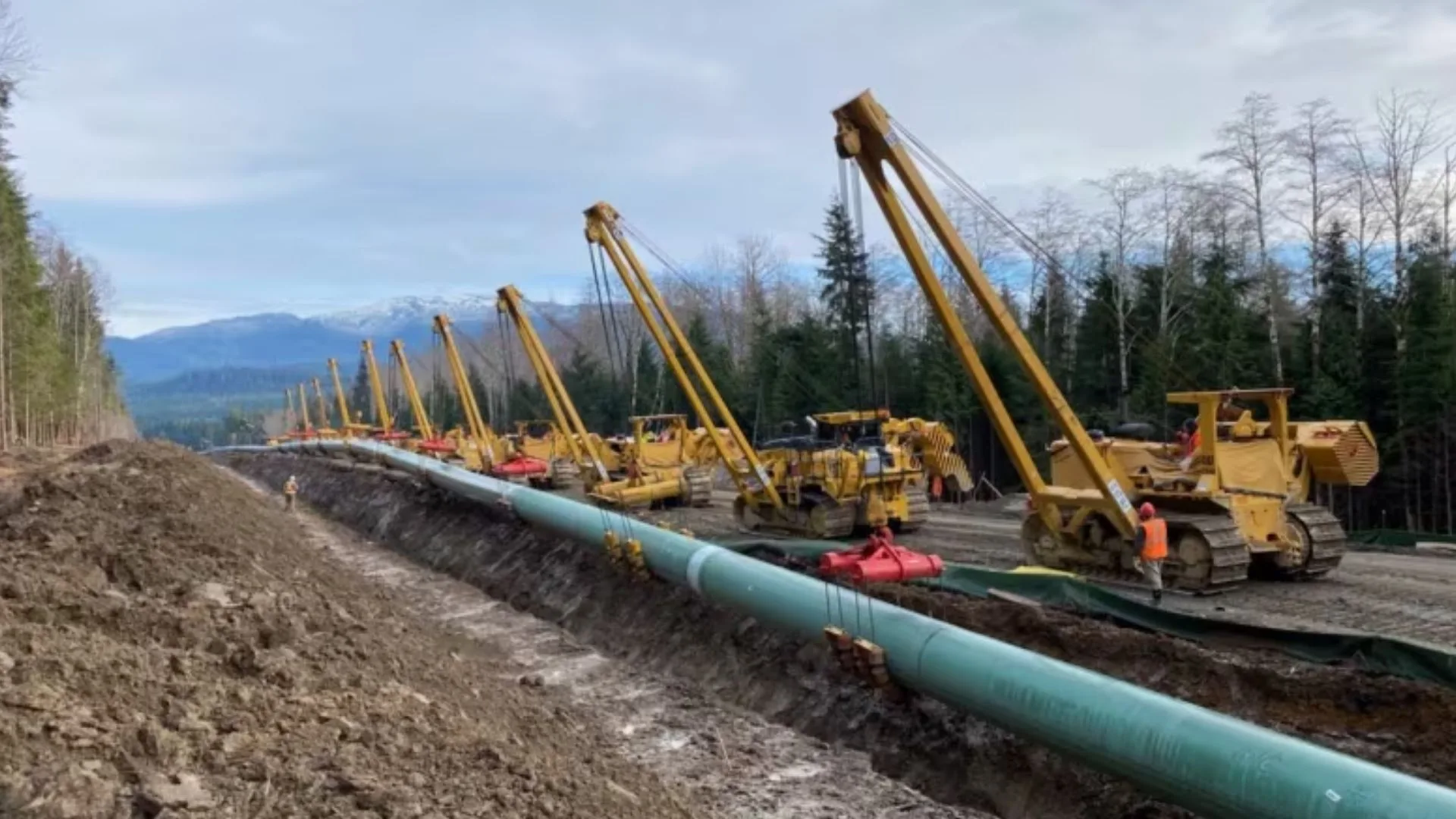
This new contract for Técnicas Reunidas focuses on the design engineering of the second stage of the Coastal GasLink pipeline in British Columbia. The LNG Canada assignment involves performing the initial design work that will serve as the foundation for deciding the future of this critical infrastructure on Canada’s west coast.
Technical evaluation of the Coastal GasLink pipeline
The main activity includes the development of additional compression stations and a comprehensive evaluation of operating costs. The intention of the consortium formed by giants such as Shell and Petronas is to increase natural gas transport capacity if market conditions favor the final investment.
Under the technical framework, the relevance of this agreement lies in the scale of the project. If the expansion receives the green light, the transport capacity for gaseous hydrocarbons could increase from 2.1 billion to 5 billion cubic feet per day.
To achieve this, the technical planning includes the commissioning of five compression stations equipped with high-power turbines and modifications at multiple points along the current route. Técnicas Reunidas contributes its previous consulting experience here to ensure the integration of these systems is seamless and efficient.
Furthermore, this move strengthens the company’s position in a market it has identified as a priority within its corporate roadmap. The Calgary office has had a solid track record since 2012, and this assignment adds to a growing list of projects on North American soil. The engineering team based in the region will be responsible for validating technical parameters while LNG Canada finishes exploring financial avenues for final execution.
Specialization in midstream projects is what has allowed the Spanish company to secure this competitive position. With thousands of kilometers of pipelines and dozens of compression plants designed worldwide, its ability to respond to safety and efficiency requirements in Canada is evident.
Source and photo: Técnicas Reunidas