
Critical dependence on the Strait of Hormuz
PETRONAS has intensified its monitoring of energy supply in Malaysia amid growing geopolitical uncertainty in the Middle East. The company seeks to ensure national energy stability in a context of high volatility.
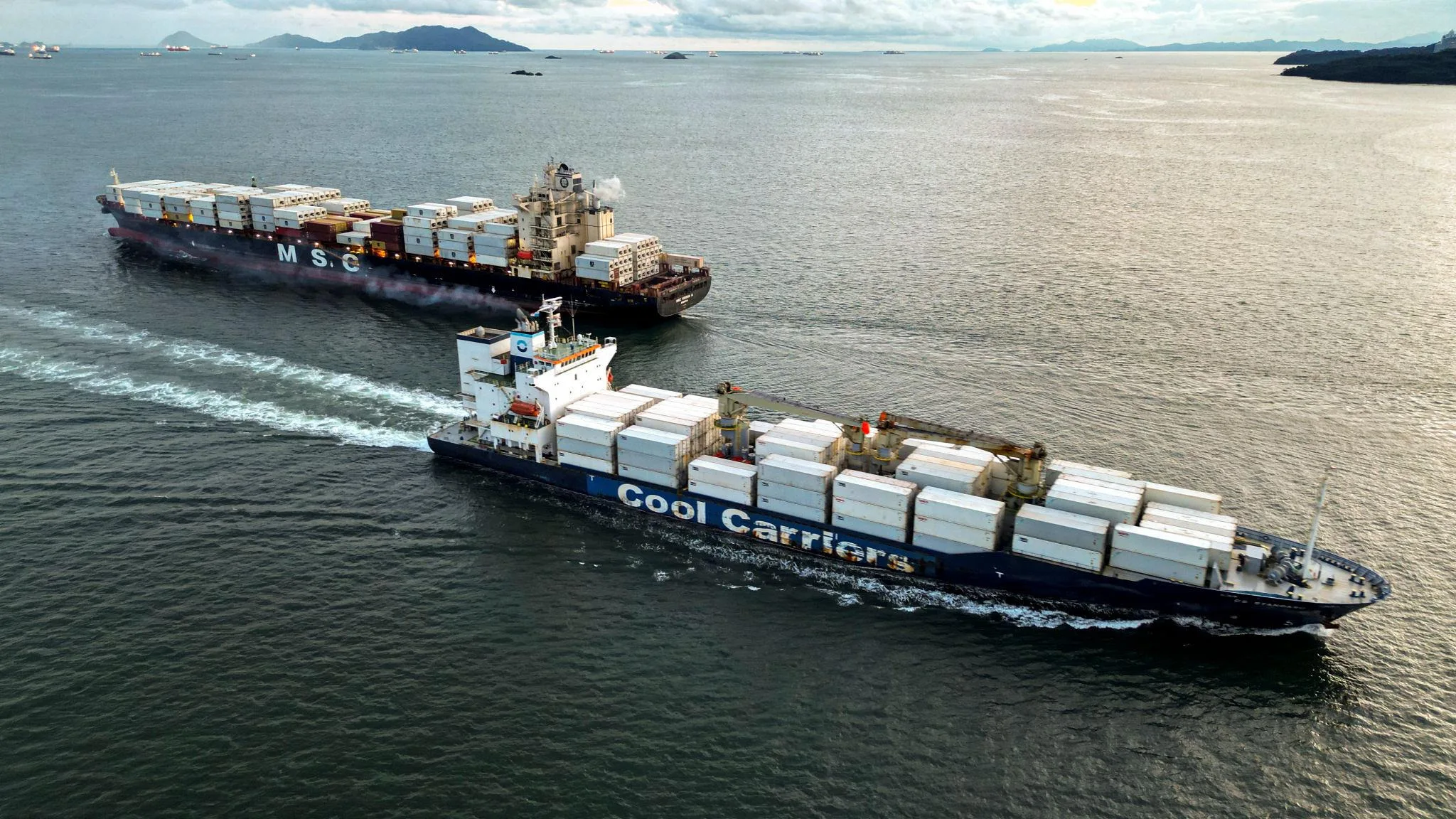
The execution scheme reveals a structural vulnerability: approximately 40% of the crude oil supplying the country transits through the Strait of Hormuz, one of the most operationally constrained points in global energy trade. Any disruption in this route directly impacts supply.
Although Malaysia is a hydrocarbon producer, its dependence on strategic maritime routes exposes it to external risks. This reality requires strengthening logistical planning and the resilience of the national energy system.
Cost escalation and pressure on logistics
Since the onset of the crisis, international crude prices have increased by approximately 40%, generating a domino effect across the entire energy supply chain. This increase directly impacts the sector’s operational costs.
The cost increase is not limited to oil. Maritime transport, insurance, and logistics costs have registered significant increases, raising the total cost of importing refined fuels and crude oil.
This environment pressures Malaysia’s energy security, especially in a scenario where domestic demand for refined products exceeds local production capacity, requiring constant imports.
Integrated strategy to ensure supply
To mitigate these risks, PETRONAS is leveraging its integrated value chain model, coordinating operations through its subsidiaries to ensure continuous supply of gasoline and diesel.
The company seeks to maintain its market share close to 50% until May 2026, while other companies complement national supply. This strategy allows risk distribution and ensures market stability.
In parallel, the government maintains subsidies on key fuels through regulatory mechanisms, cushioning the impact on consumers. PETRONAS also promotes responsible consumption and warns against hoarding, essential to avoid additional tensions in the system.
Source: https://www.petronas.com/
Photo: Shutterstock