
Table of Contents
The North Sea Transition Authority (NSTA) has decided to impose a £16.5 million fine on EnQuest Heather, an amount it must pay for having left 33 wells that no longer produce a single drop of crude oil neglected.
The fine imposed on EnQuest Heather for inaction
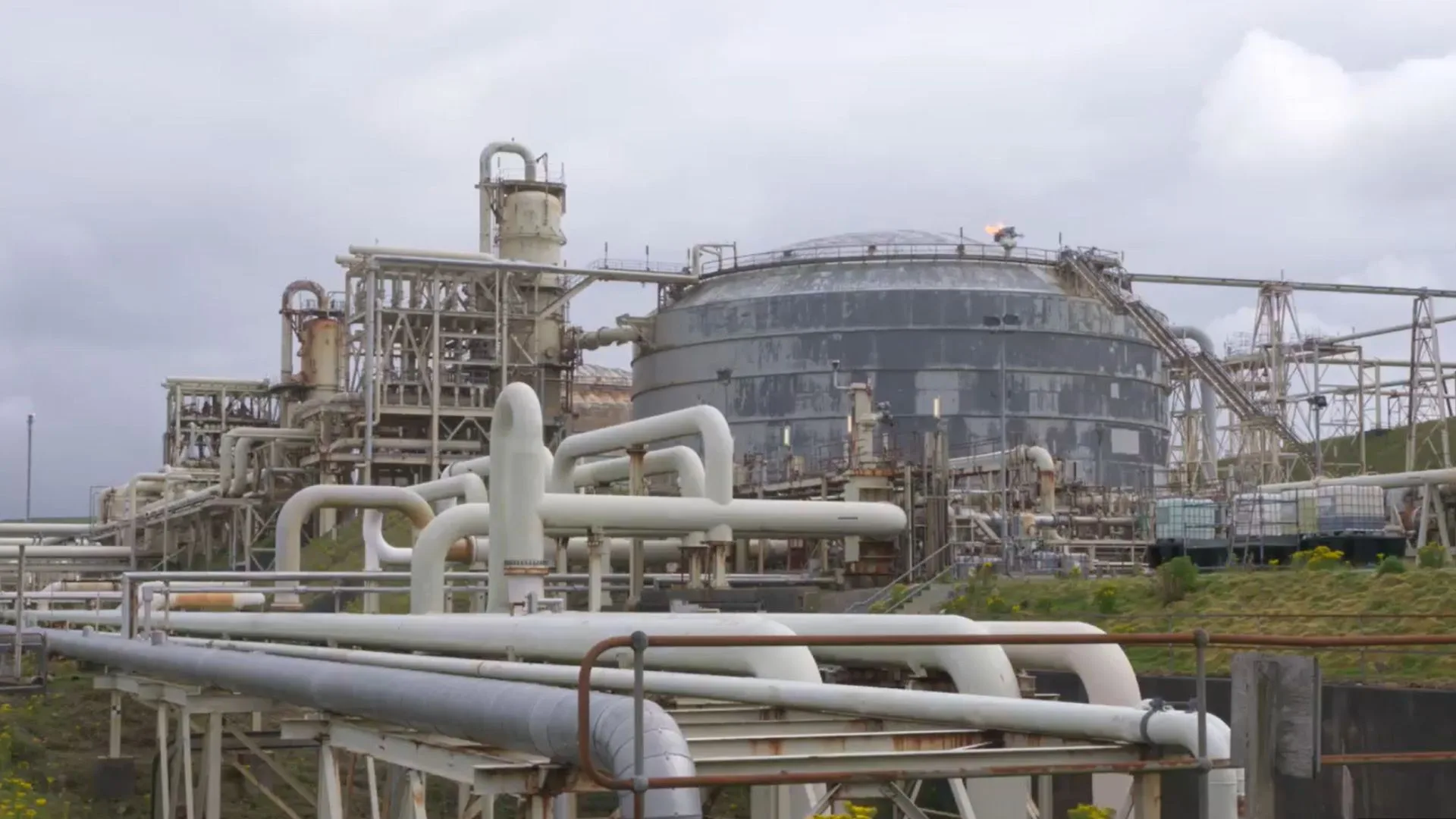
To understand the scale of the problem, we are talking about infrastructure located in the Alma fields, Galia, Broom and Dons. These sites ceased operations between 2020 and 2021. Since then, the company has preferred to look the other way instead of proceeding with the mandatory decommissioning.
Indeed, delays in these closure activities put the stability of the public purse at risk. As these are tax-deductible expenses, any delay inflates future costs and reduces supply chain efficiency.
Stuart Payne, the head of the NSTA, has been unequivocal on this matter. Compliance with these obligations is important so that the service companies that keep the basin alive have a predictable and secure workflow.
Likewise, protecting the marine environment cannot wait. Well plugging and well abandonment, technically known as P&A, accounts for almost half of the UK’s total decommissioning budget for the next decade. If operators ignore their management plans, the integrity of the ecosystem is compromised. The investigation made it clear that EnQuest requested extensions and then systematically failed to meet them.
This £500,000 penalty for each inactive well sets a necessary precedent. With more than a thousand wells pending closure by the end of this decade, the regulator needs to demonstrate firmness. Investment stability in the North Sea depends on clear rules and, above all, on those rules being enforced without exceptions or cost-avoidance strategies.
Source and photo: NSTA