
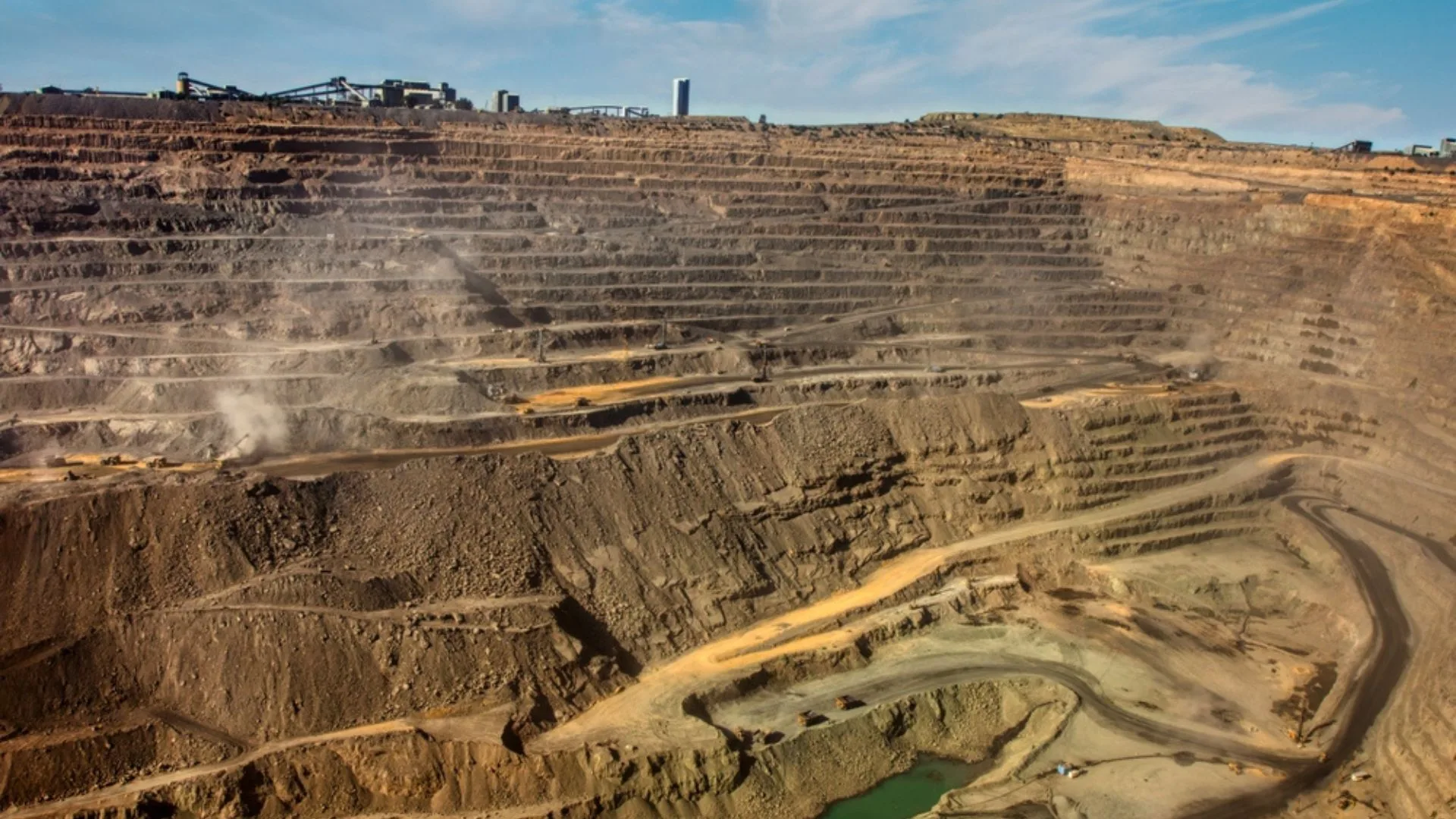
K2 Gold Corporation announced the completion of its reverse-circulation drilling program at the Si2 project in Nevada, one of the most active districts for gold exploration in the United States.
In total, the company completed 3,871 meters across eight holes, focused on five priority target areas. This campaign marks progress in evaluating the epithermal system identified at the project, expanding the scope into new areas that had not been drilled previously.
Si2 project in Nevada advances validation of the geological model
The 2026 drilling program was designed based on an integrated geological model that combines previous drilling data, alteration studies, geophysics, and structural analysis.
According to the company, preliminary results confirm the presence of a well-preserved low-sulfidation epithermal system. The intersections recorded also include extensive hydrothermal alteration, quartz veinlets, and zones with adularia—typical elements associated with gold mineralization and silver.
This technical approach aims to identify the so-called “boiling zone,” a geological setting where higher gold grades could be concentrated at depth.
Encouraging results in new target areas
For the first time, K2 Gold drilled the AOI3, AOI4, and AOI5 areas, extending exploration beyond the southern rhyolitic dome, where low-grade mineralization had previously been identified.
In AOI1 and AOI2, the work confirmed the presence of multiple potential mineralization hosts, including quartz veins with open-space textures and hydrothermal breccias.
Meanwhile, in AOI3, alteration intervals associated with a significant structural corridor were identified. In AOI4, drilling intercepted an approximately 25-meter quartz vein, followed by intensely altered zones.
AOI5, in turn, showed evidence consistent with active hydrothermal systems, including silica-cemented breccias and strong argillic alteration.
Comparison with key discoveries in the region
The Si2 project shows geological similarities to AngloGold Ashanti’s Arthur project, formerly known as Silicon, which hosts more than 16 million ounces of gold.
This parallel reinforces the asset’s potential within the Walker Lane trend, one of the most prospective geological provinces in the southwestern United States.
Assay results and new interpretation
Samples collected during the program have already been sent to the lab, and assay results are expected in the coming weeks.
Once available, K2 Gold will move forward with the project’s geological and structural interpretation. These data will be key to defining future exploration campaigns and assessing the system’s economic potential.
Source and photo: K2 Gold