
Table of Contents
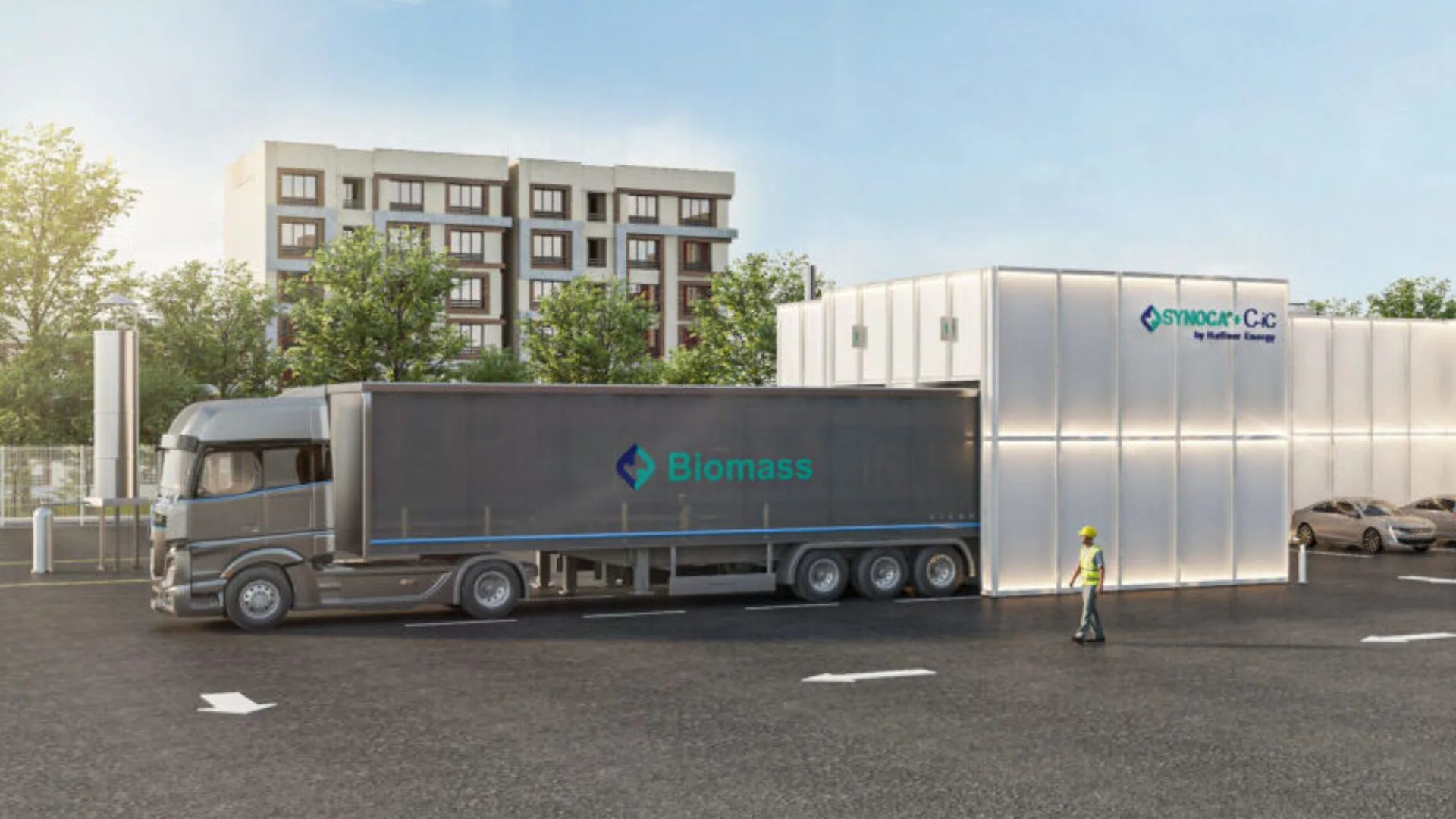
Since its launch thirty days ago, the CORE100 program by Haffner Energy has secured 14 firm reservations. This business model, based on the standardized manufacturing of C-iC units, appears to have unlocked the interest of various investors seeking to produce renewable hydrogen and biomethanol without the financial complications of custom projects.
The Commercial Success of the CORE100 Program
Under a serial production strategy, the French company offers a catalog of 100 units with costs ranging between 1.9 and 4.9 million euros. The intention has a very clear objective: to break down the barriers that prevent the financing of medium-sized plants. By eliminating heavy civil engineering and opting for modularity, a reduction in capital expenditure of up to 65% is achieved compared to conventional infrastructures.
Likewise, the biomass thermolysis technology that powers these systems allows for the generation of energy vectors at highly competitive prices. For example, the cost of hydrogen is estimated at €2.34/kg, a figure that leaves behind the usual €7/kg in decentralized electrolysis processes. This competitive advantage stems from the optimization of R&D resources and volume agreements with select suppliers.
The reservation period concludes on July 30, 2026, and production capacity is planned in stages until 2029. Those who decide to wait might find themselves on a waiting list extending beyond 2030, which adds strategic value to these first 14 confirmed reservations.
Finally, testimonials from figures like Luiz Filho, director of H2Verde, reinforce the idea that standardization is the shortest path to profitable sustainability. Energy sovereignty is no longer a distant goal; it is a technical reality built through intelligent management of local biomass and high-efficiency industrial equipment.
Source and photo: Haffner Energy