
Table of Contents
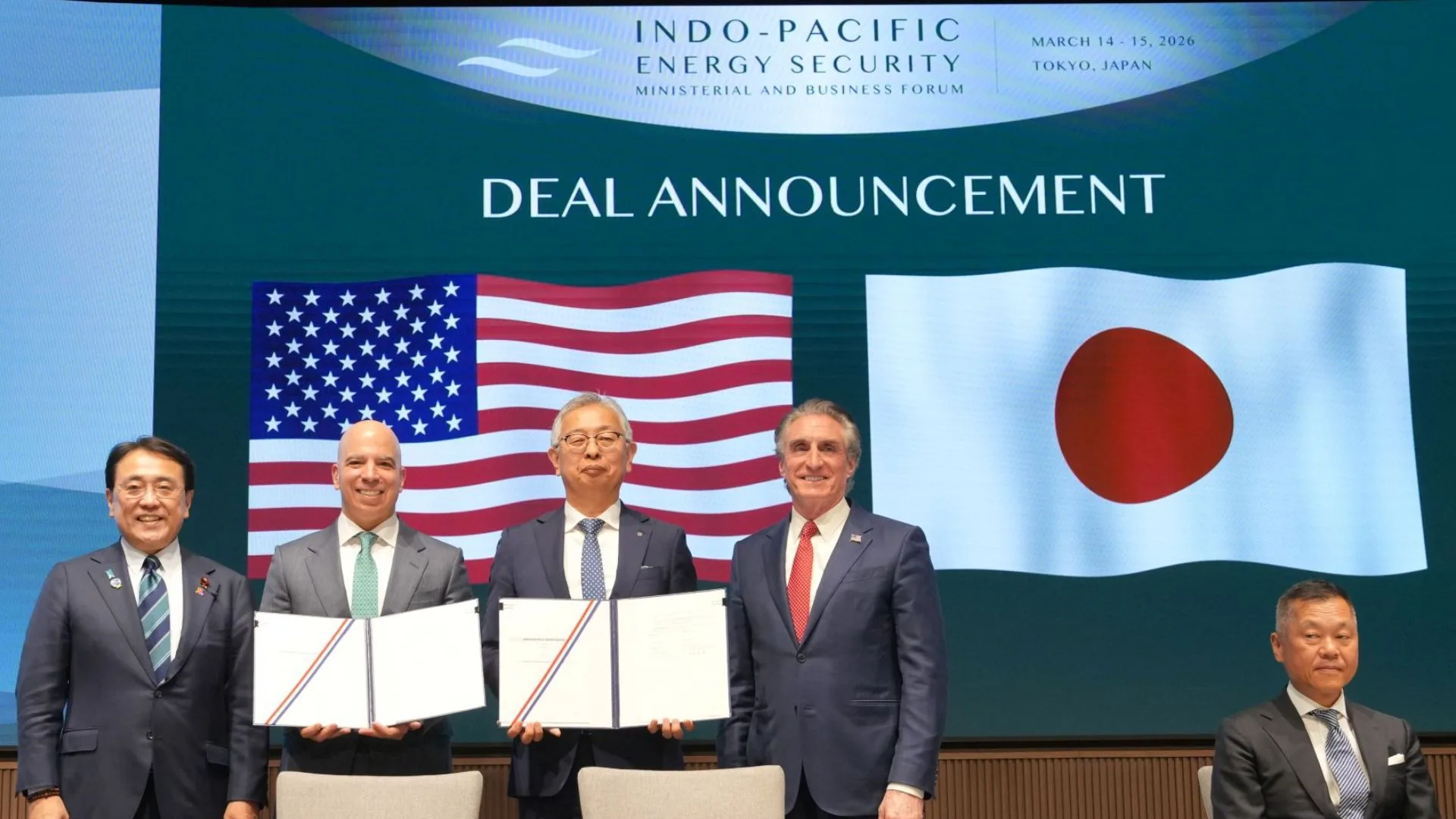
During the Ministerial and Business Energy Security Forum in Tokyo, GE Vernova and Hitachi formalized a Memorandum of Understanding to introduce the BWRX-300 small modular reactor in Southeast Asia.
The deployment of the BWRX-300 small modular reactor
Under this premise, the joint ventures of both corporations will work hand-in-hand to identify commercial opportunities where small-scale nuclear technology can replace more polluting generation sources.
Likewise, the plan contemplates the integration of high-level Japanese suppliers, which strengthens the supply chain necessary for these projects to come to fruition in the short term. The support of high-ranking political figures from the United States and Japan underscores that energy security is now a shared state priority.
Indeed, the BWRX-300 model is positioned as a fundamental piece on the global energy transition board. While construction of the first unit in Ontario, Canada, progresses according to schedule, Southeast Asia is closely watching the viability of these systems.
GE Vernova executive Roger Martella has been firm in pointing out that this technology will be a decisive tool for nations seeking autonomy and cleanliness in their power grids over the coming decades.
On the other hand, Hitachi brings more than half a century of experience to the sector, ensuring that design and implementation meet the most demanding safety standards. The goal is to balance economic growth with environmental well-being through social and technical innovation.
Finally, the progress of the BWRX-300 in other latitudes, such as the review processes in the United States by the TVA, provides additional confidence to potential adopters in Asia. The nuclear industry is experiencing a moment of technical resurgence where efficiency and the reduction of operating costs are the fundamental pillars.
Source and photo: GE Vernova