
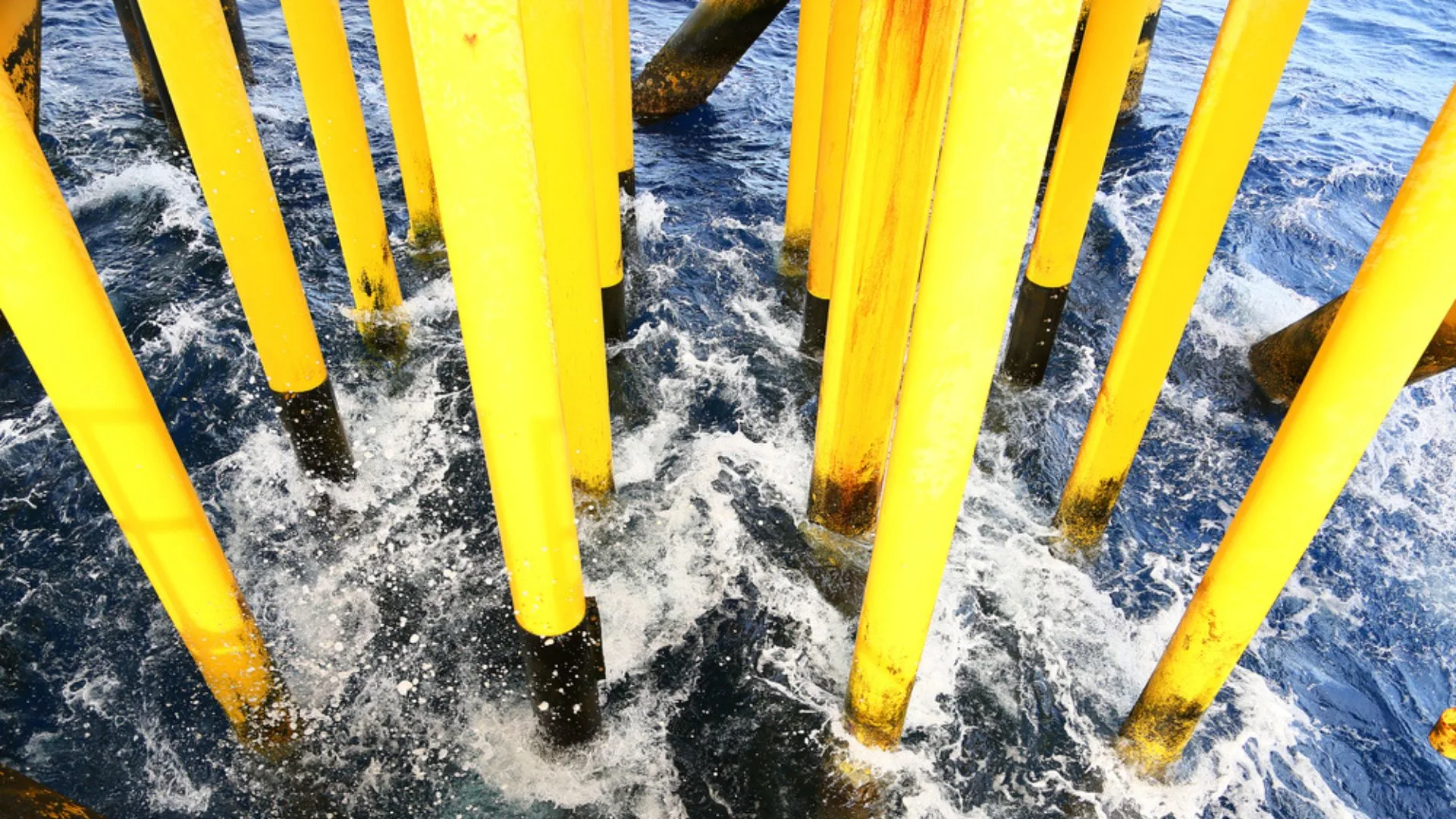
The energy industry adds a new advancement in digitalization with the implementation of the first closed-loop automated well placement in offshore operations in Guyana. The development was led by Halliburton in collaboration with ExxonMobil, Sekal, Noble, and the Wells Alliance Guyana team.
Automated Well and Subsurface-to-Surface Integration
In this project, the companies integrated automated geological interpretation, drilling systems, and real-time hydraulic control within a single operational workflow. This architecture eliminated the traditional separation between subsurface analysis and drilling execution.
Likewise, the solution incorporated technologies such as LOGIX and the EarthStar service, along with Sekal’s DrillTronics systems, to create an autonomous control environment capable of continuously adjusting well trajectory.
Closed-Loop Automation for Greater Precision
The developed system operates through a closed-loop automation scheme, meaning that subsurface and drilling process data are continuously fed back. This allows the well to be maintained within reservoir boundaries and optimizes each phase of the operation without direct manual intervention.
Additionally, automated geosteering enabled real-time inclination corrections, ensuring precise placement within the productive zone even under complex conditions.
Improvement in Time and Operational Efficiency
The project results demonstrate significant improvements in operational performance. The reservoir section was completed approximately 15% faster than planned, while tripping and startup operations reduced their duration by 33%.
Similarly, nearly 470 meters of lateral section within the reservoir were drilled using continuous automated control, increasing contact with the productive formation.
Key Collaboration for Digital Transformation
The initiative’s success relied on collaboration between drilling rigs, geology, and automation teams, which worked with constant feedback loops throughout the operation.
According to representatives from the companies involved, this type of solution paves the way toward more consistent and scalable well construction models, where automation enables replicating results with greater precision.
Moving forward, Halliburton seeks to expand these capabilities across different regions, consolidating the transition toward increasingly autonomous drilling operations within the energy sector.
Source: Halliburton
Photo: Shutterstock