
Table of Contents
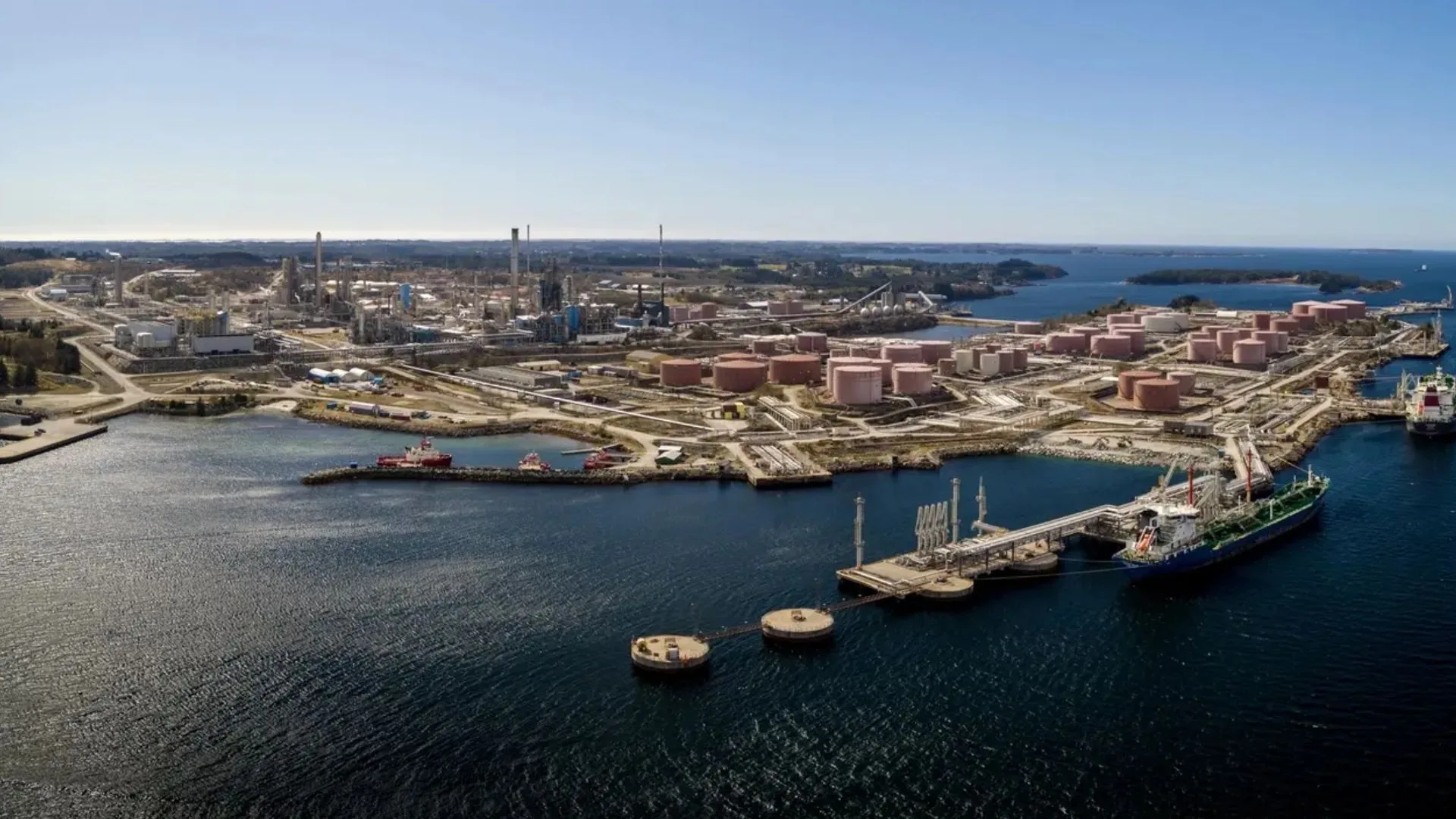
The report indicated adverse results regarding the event last October at the Mongstad refinery, where several operators faced accidental contact with benzene exposure. After analyzing the official document, actions demonstrated that the pressure to restart operations after maintenance clouded the usual preventive judgment.
Benzene exposure and risk assessment failures
Upon examining the facts, the initial activity was supposed to last only thirty minutes. However, technical complications extended the maneuver for more than five hours without anyone ordering a new hazard assessment.
The work team used open buckets to transport naphtha to a measuring instrument. This action facilitated the release of benzene vapors in an environment where operators lacked adequate respiratory protection for such a prolonged shift.
To remedy this situation, plant management has taken decisive action. It has been decided to replace the use of naphtha with glycol in the calibration processes of these instruments to eliminate benzene emissions at the source.
Likewise, a team of safety engineers dedicated exclusively to supervising the chemical work environment has been incorporated. Now, the new protocols include intensive training in the handling of gas detectors and immediate availability of self-contained breathing apparatus.
The Norwegian authority Havtil has followed the case closely and has forwarded the report to the police for a parallel judicial investigation. Vice President Bernt E. Tysseland admits that planning was complex and unclear during that period of high activity. The errors in chemical environment management now serve as a basis for deep learning aimed at preventing the recurrence of similar events in the future of the offshore industry.
Source and photo: Equinor