
Norwegian energy company Equinor has launched the drilling phase of the Raia project in the Campos Basin, marking a decisive advance in one of the most significant natural gas developments in the South American country.
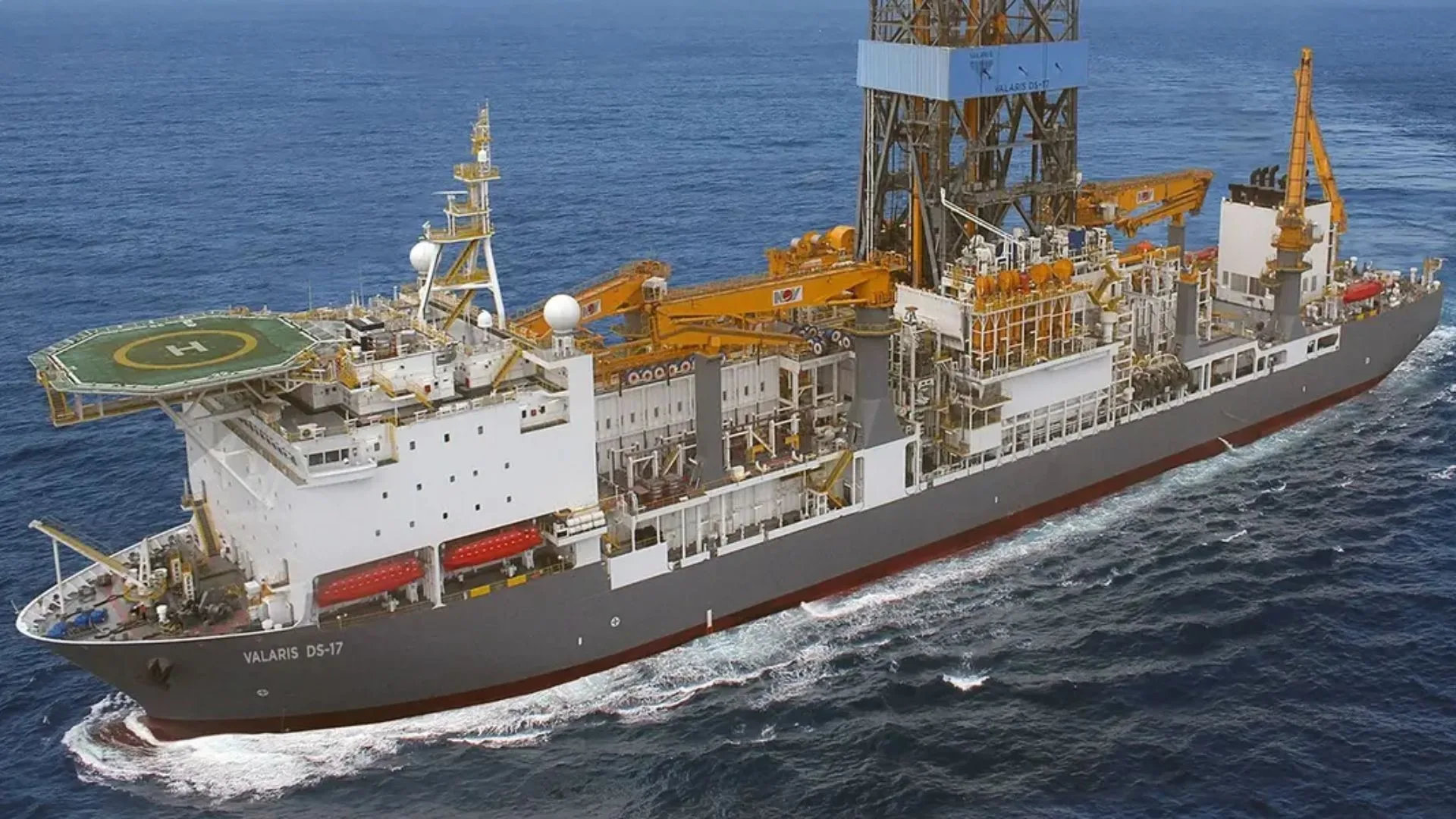
Specifically, the drilling vessel Valaris DS-17 began operations on March 24 in deepwater pre-salt areas offshore Brazil, approximately 200 kilometers from the coast at a depth of nearly 2,900 meters.
Raia Project Drilling Advances
The campaign includes drilling six wells, essential to enable production from the reservoir. This development contains recoverable reserves exceeding one billion barrels of oil equivalent, positioning it as a strategic asset within Equinor’s international portfolio.
Additionally, the project is being executed in partnership with Repsol Sinopec Brasil and Petrobras, combining expertise in complex offshore operations and knowledge of the Brazilian pre-salt.
Gas Production and Contribution to the Energy Market
Once operational, Raia will have capacity to export up to 16 million cubic meters per day of natural gas, which could cover approximately 15% of Brazil’s national demand by 2028.
Thus, the project will not only strengthen the country’s energy supply but also contribute to Equinor’s long-term cash flow, consolidating its presence in Latin America.
Offshore Infrastructure and Applied Technology
The development includes a solution based on a floating production, storage, and offloading unit (FPSO), connected to subsea wells. This infrastructure will enable processing of both gas and condensates extracted.
Subsequently, the gas will be transported via a pipeline of approximately 200 kilometers to the Cabiúnas facilities in the state of Rio de Janeiro.
Likewise, the use of advanced technology and experience accumulated in projects such as Bacalhau reinforce operational efficiency under highly complex technical conditions.
Investment, Employment, and Emissions
With an estimated investment of $9 billion, Raia represents Equinor’s largest international project under execution.
In environmental terms, the FPSO is expected to operate with an emissions intensity near 6 kg of CO₂ per barrel of oil equivalent, below the industry average.
Finally, the development could generate up to 50,000 direct and indirect jobs throughout its operational life, consolidating its economic impact in Brazil.
Source and photo: Equinor