
Table of Contents
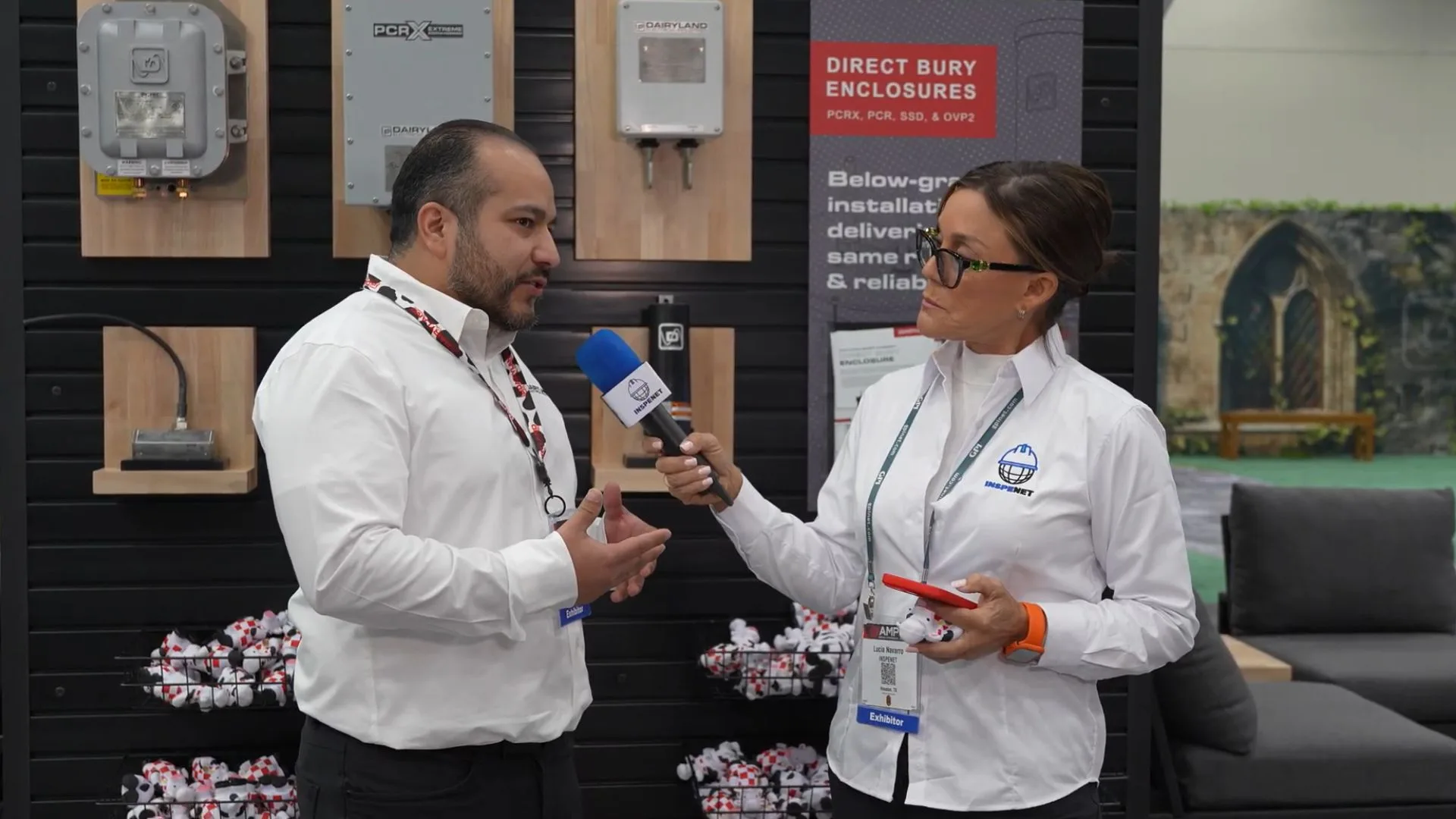
In a recent interview with Tony Castillo, an expert from Dairyland, it was highlighted that pipeline protection is no longer a purely chemical activity but has become a high-precision electrical engineering challenge. The company has established itself as the leading manufacturer of solid-state decoupling devices, providing technical reliability that reaches 99.99% in high-demand environments.
AC technology and pipeline protection
From this technical perspective, it is essential to understand that DC isolation and AC continuity are not opposing goals, but complementary when the right technology is used. Operators in the oil, gas, and rail industries today face induced voltages from high-voltage lines that share the right-of-way with their pipelines.
These stray currents accelerate corrosion and represent a lethal risk to maintenance personnel if they are not managed through a low-impedance path to ground.
Additionally, Castillo emphasizes an emerging risk that corrosion engineers must prioritize: reconducting. This phenomenon, resulting from the upgrading of electrical grids to handle higher loads, alters original induction levels, in many cases invalidating previously installed mitigation systems.
Likewise, technical education stands as the fundamental pillar for operators to design safer and more robust corrosion control schemes in the face of these changing variables in the energy environment.
Finally, the robustness of solid-state equipment allows for an instantaneous response to electrical faults or lightning strikes. By blocking the cathodic protection current to prevent its loss to the grounding system, these devices ensure that the negative potential is maintained at optimal levels.
Source and photo: Inspenet | Dairyland