
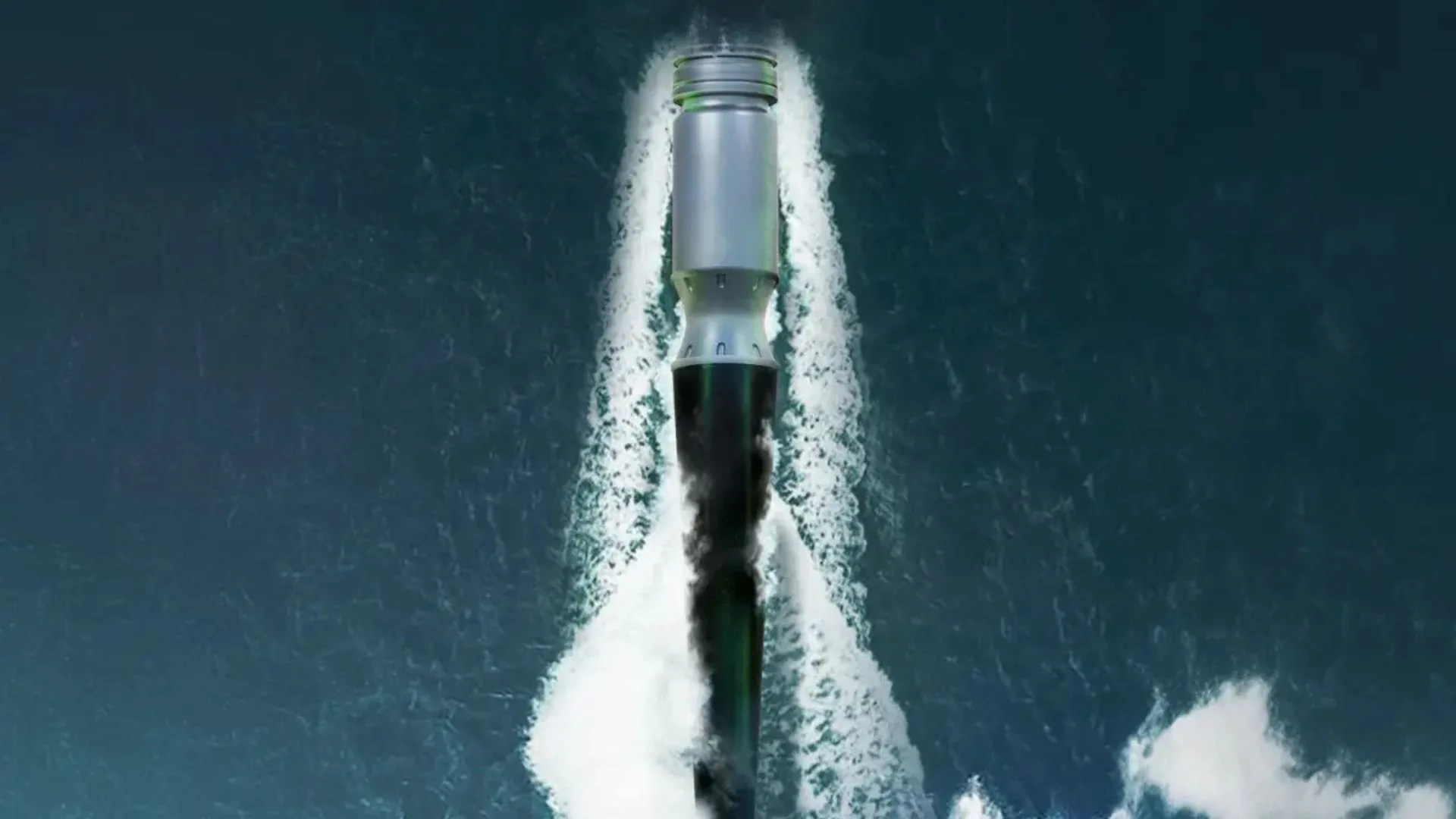
Stillstrom, in collaboration with Faber Group and Prysmian, has announced the deployment of the first offshore electric charging pilot system aimed at decarbonizing the offshore wind energy supply chain. This system will enable hybrid and electric vessels to connect to clean energy sources while operating at sea, eliminating the need to return to port for recharging and significantly reducing CO₂ emissions.
The system seeks to address the problem of emissions from service operation vessels (SOVs), which must make multiple trips from offshore installations to ports, generating a considerable carbon footprint. Thanks to this technology, these vessels will be able to maintain position while connected to a marine power supply.
What is the role of Faber Group and Prysmian?
For offshore electric charging to be viable, robust infrastructure resistant to extreme conditions is required; this is where Faber Group comes in. They have developed a customized power supply solution, adapted to each project’s requirements, that complies with offshore regulations and withstands saltwater, thermal fluctuations, and intense mechanical stress. In addition to providing the cabling, the company offers technical consulting, logistics, and flexible assembly services.
For its part, Prysmian, with more than 150 years of experience in cable manufacturing, contributes to the project a high-capacity cabling system that enables stable and safe energy transmission from offshore platforms to vessels. These cables are designed to withstand hostile environments under the strictest maritime sector regulations, integrating seamlessly with Stillstrom’s charging systems.
A Joint Vision Toward Sustainability
The first system test is scheduled for Q4 2026 in Esbjerg, Denmark, and this initiative is expected not only to reduce CO₂ emissions, but also marine noise and pollution from diesel generator use. Additionally, the system is designed as a low-maintenance infrastructure, prepared to support the future energy needs of offshore operations.
This collaboration demonstrates how synergy among industry leaders can establish new standards in the maritime industry. By integrating cutting-edge technologies in marine electrification, specialized cabling, and clean energy solutions, the three companies are taking a tangible step toward decarbonizing offshore operations, in line with global sustainability goals.
Source and photo: Stillstrom