
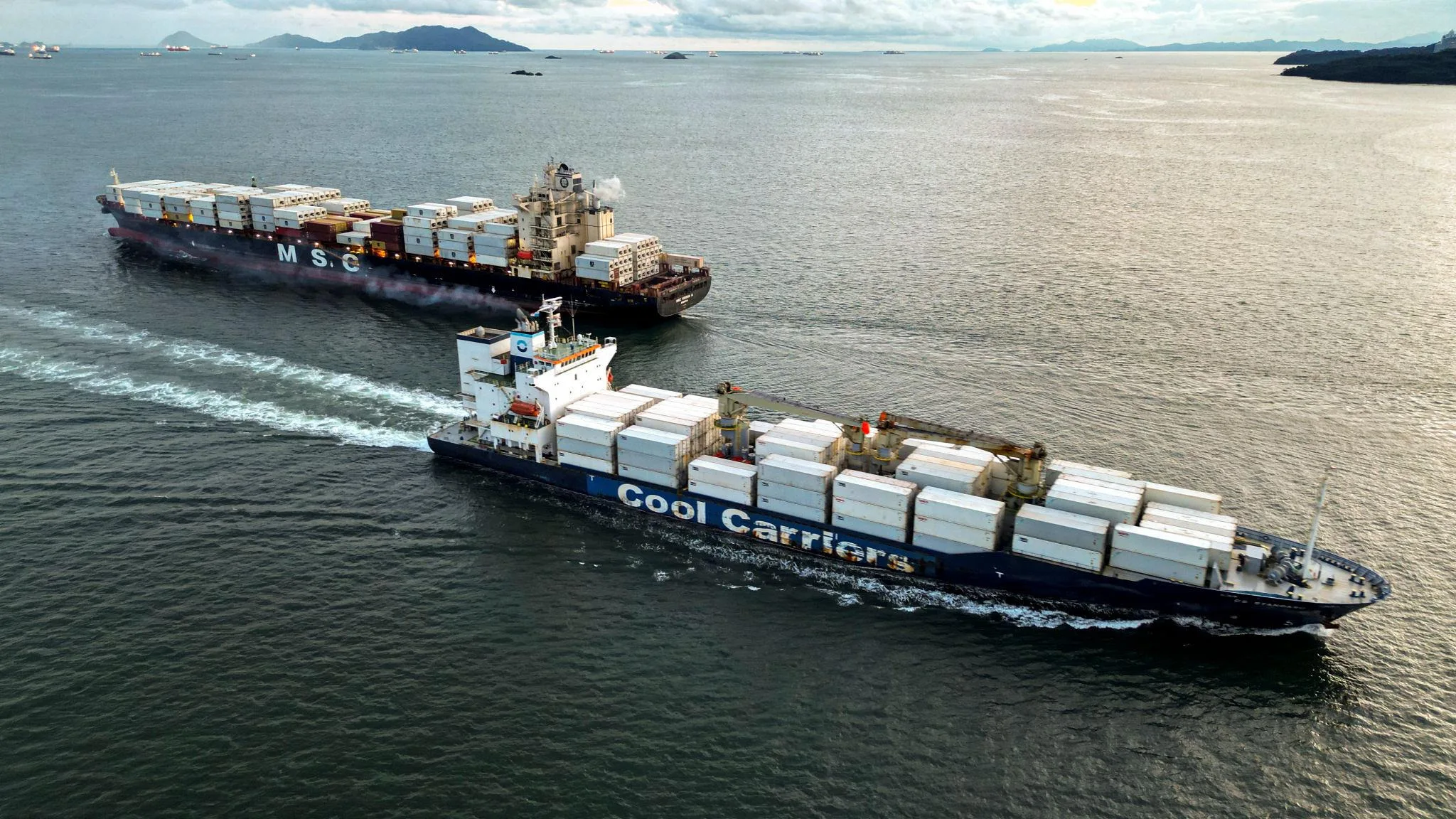
Port Inspections Escalate Trade Conflict
The recent intensification of inspections of Panamanian-flagged vessels in Chinese ports has raised alarms in global maritime transport. According to the Federal Maritime Commission, these actions exceed the historical standards of Port State Control.
The phenomenon occurs following the dispute over control of strategic terminals in the Panama Canal, where U.S.-linked operators replaced Hong Kong-based firm CK Hutchison. China’s response suggests an escalation beyond the commercial sphere.
The significant data point is the anomalous increase in detentions and technical inspections, which introduces operational friction on key transpacific trade routes. This could translate into longer transit times and logistics costs.
Excessive State Port Control
From a technical perspective, the intensive use of Port State Control introduces uncertainty in the operational reliability of the global fleet. Prolonged inspections can generate bottlenecks at key ports.
Panamanian-flagged vessels represent a significant proportion of trade supplying the United States, so any disruption has multiplier effects on inventories and industrial costs.
The most relevant risk is the politicization of maritime technical standards, which could fragment international inspection rules. This would affect regulatory interoperability and raise compliance costs for global shipping companies.
Legal Basis for FMC Action
The FMC is authorized under Chapter 421 of the Merchant Marine Act (46 U.S.C. 42101–42106) to investigate and counter conditions “unfavorable” to U.S. maritime transport originating from laws or practices of foreign governments.
These provisions allow it to act both when the problem affects a specific trade or route and when it impacts foreign trade generally.
In recent investigations on “flagging practices,” the Commission has already requested examples of flag practices that compromise supply chain efficiency and reliability, creating a clear precedent for this case.
The Federal Maritime Commission is conducting a non-jurisdictional investigation to examine whether the laws, regulations, or practices of certain foreign governments regarding vessel flagging create unfavorable conditions for maritime transport in U.S. foreign trade.
Possible Regulatory Measures
If it concludes that an unfavorable condition exists, the FMC may recommend or impose measures under 46 U.S.C. 42106, such as limiting voyages to/from U.S. ports, restricting the type or volume of cargo, or suspending tariffs applicable to related shipping companies.
These measures seek to restore reciprocity and pressure the foreign government to withdraw or moderate the practices generating the imbalance.
The Commission can provide technical and market evidence supporting potential diplomatic efforts or even broader trade measures if the conduct is deemed to seriously affect the U.S. supply chain.
Supply Chain Protection
Chairwoman Laura DiBella has already emphasized that the mass detentions of Panamanian-flagged vessels exceed normal Port State Control practice and threaten the reliability of the U.S. supply chain, given the weight of these vessels in U.S. containerized trade.
Based on that finding, the FMC can prioritize this matter on its agenda, collect data from shipping companies and shippers, and design proportionate responses that reduce delays and risks for traffic passing through the Panama Canal.
Source: https://www.fmc.gov/