
China intervened again in its energy market by limiting the increase in fuel prices, in a context marked by the escalation of international oil prices.
An adjustment below the usual mechanism
According to the National Development and Reform Commission (NDRC), the Asian country approved an increase of 420 yuan per tonne for gasoline and 400 yuan for diesel. However, these figures represent approximately half of the adjustment expected under its usual pricing mechanism.
Had the full system been applied, the increases would have reached 800 and 770 yuan, respectively. With this measure, the government seeks to cushion the impact of higher crude prices on consumers.
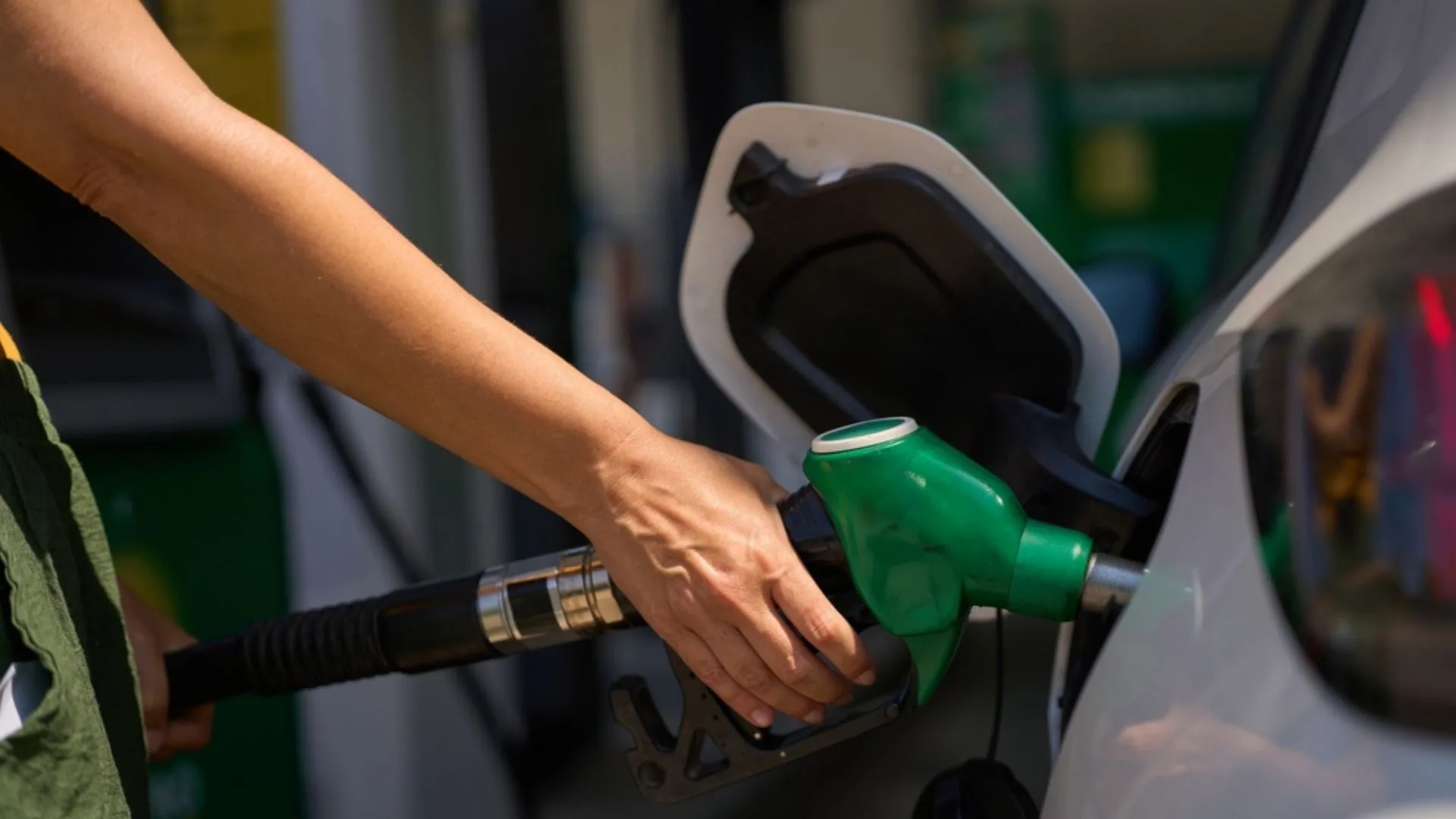
Likewise, the adjustment implies a moderate increase for end users. Filling a 50-liter tank with 92-octane gasoline will cost about $2.4 extra.
Fuel price control amid international pressure
The international context has been decisive in this decision. Oil prices have maintained an upward trend following Iran’s rejection of a ceasefire proposal promoted by the United States.
This is compounded by growing tension in the Strait of Hormuz, one of the world’s main energy supply routes, whose operations have been compromised.
This scenario has increased volatility in the oil market and has forced several Asian countries to adopt measures to mitigate the impact of rising fuel prices.
Strategy to protect the domestic economy
China, as the world’s second-largest oil consumer, has opted for a price-control strategy to protect its domestic economy.
The country reviews gasoline and diesel prices every 10 business days, using changes in international crude prices as a reference, along with refining costs, taxes, and distribution margins.
In addition, its diversification of energy supply, the push for electric vehicles, and its strategic reserves have enabled greater resilience in the face of the crisis.
Uneven impact across economic sectors
Although data from the manufacturing PMI index show a moderate impact on the economy, some sectors are already facing significant pressure.
In particular, the airline industry has begun passing the fuel increase on to consumers through surcharges, reflecting the sector’s sensitivity to energy volatility.
On the other hand, economists warn that higher input costs could reduce manufacturing industry margins, which could even lead to deflationary pressures.
Source: Reuters
Photo: Shutterstock