
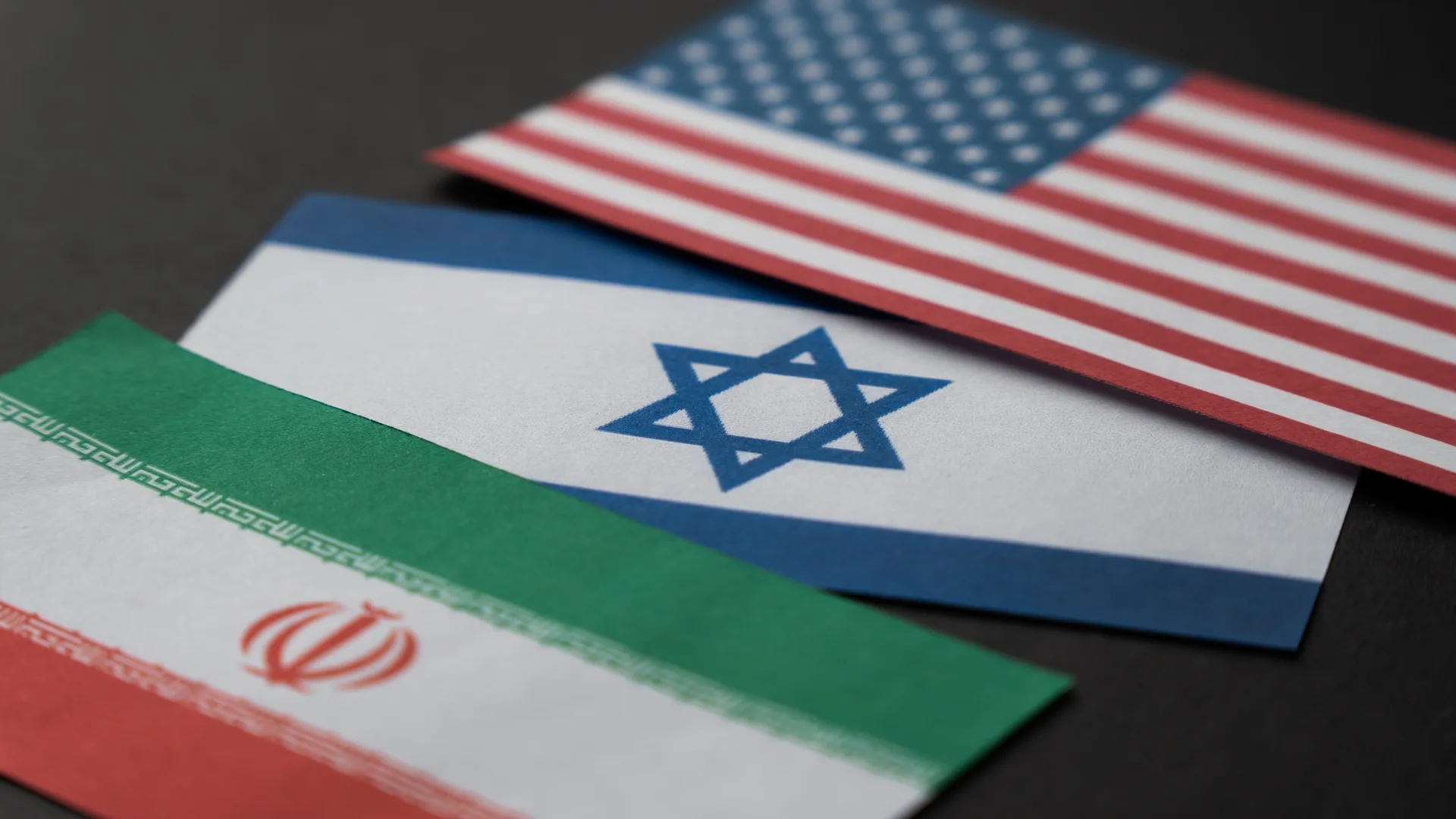
In an unexpected turn in the Middle East conflict, the United States and Iran have agreed to a temporary two-week ceasefire. This measure comes after weeks of direct attacks and threats and is conditioned on the reopening of the Strait of Hormuz, one of the world’s most important maritime routes for oil transport.
Conditions of the ceasefire between the US and Iran
On one hand, President Donald Trump confirmed the suspension of bombings for two weeks, asserting that Washington has achieved its military objectives. This decision marks a shift from his previous rhetoric, characterized by forceful warnings toward Tehran.
On the other hand, Iran agreed to allow maritime transit in the Strait of Hormuz under military supervision. Likewise, it proposed an ambitious package of conditions including the lifting of sanctions, the release of frozen assets, and economic compensation for conflict damages.
The Strait of Hormuz, the axis of the agreement
Hormuz has become the central point of the ceasefire because it connects the Persian Gulf with global markets and is essential for the flow of oil and gas. Its reopening provides immediate relief for energy markets, which have been under pressure due to geopolitical uncertainty.
In parallel, Pakistan has played a fundamental role as a mediator. Prime Minister Shehbaz Sharif facilitated the agreement and has called for new talks in Islamabad to move toward a definitive solution.
Subsequent attacks and contradictions on the ground
A few hours after the announcement, new attacks and missile interceptions were recorded, highlighting the fragility of the agreement. For instance, Kuwait reported drone attacks affecting energy infrastructure, casting doubt on the immediate effectiveness of the truce.
What follows the ceasefire?
Looking ahead, the planned negotiations in Islamabad will be decisive. The positions of the United States and Iran remain distant, especially regarding sanctions and regional security.
Thus, the ceasefire represents a strategic pause rather than a definitive solution, with an outcome that remains uncertain for the stability of the Middle East.
Source: BBC