
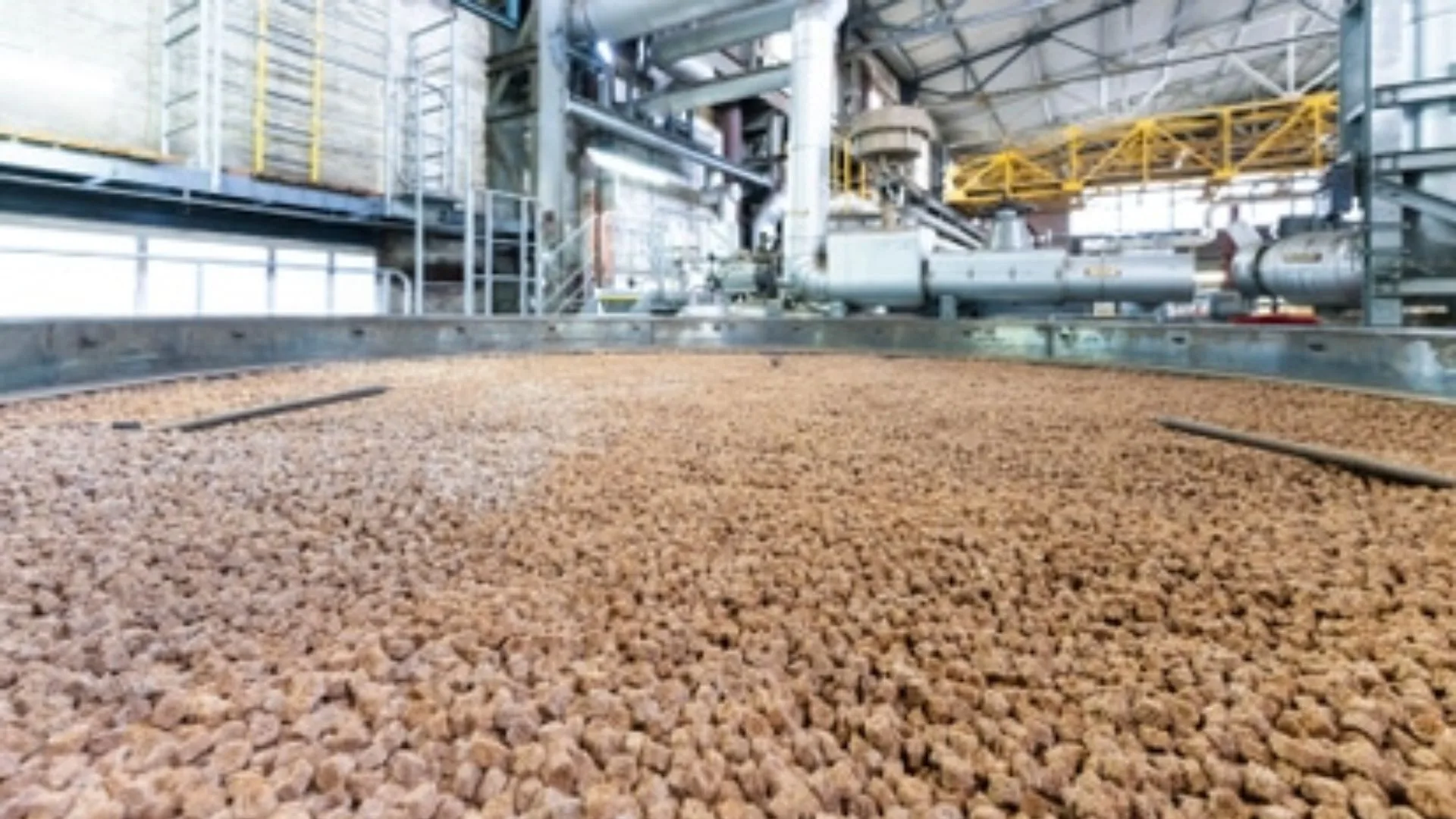
BASF has started up in Ludwigshafen, a city in Germany, the world’s first industrial plant dedicated to producing 3D-printed catalysts, marking a significant step forward in the application of additive manufacturing within the chemical industry.
The facility, based on X3D technology, enables the manufacture of catalysts with optimized geometries that improve reactor performance and reduce energy consumption in chemical processes.
3D-printed catalysts to optimize performance
Through 3D printing, BASF develops catalytic structures with an open architecture and high mechanical stability. This combination enables a lower pressure drop in reactors and increases the active surface area available for reactions.
As a result, industrial operators can achieve higher production levels and improve final product quality. Likewise, greater efficiency is achieved in the use of raw materials and energy—key factors in the shift toward more sustainable processes.
Industrial scale-up of additive manufacturing
With this new plant, the company is moving additive manufacturing of catalysts from one-off applications to industrial-scale production. This helps reduce development times and speed up the introduction of new solutions to the market.
X3D technology has previously been validated in different industrial environments. Its versatility makes it possible to work with various materials, including precious metals, base metals, and different catalyst supports.
Real-world applications and proven results
One of the most notable cases is that of the Chinese company An Hui Jintung, which incorporated X3D catalysts at its sulfuric acid plant. According to its management, the implementation significantly improved operational performance and achieved record production levels.
These types of results reinforce the sector’s interest in solutions that optimize reactor efficiency and reduce operating costs.
Innovation and sustainability strategy
BASF, a global leader in catalysts and chemical solutions, continues to invest in technologies that drive the transition toward a lower-emissions industry. The company integrates technological innovation with sustainability goals, aligning product development with today’s energy and environmental needs.
The new plant in Ludwigshafen is thus positioned as a key hub to expand the availability of advanced catalysts and consolidate the use of 3D printing in industrial chemical processes.
Source and photo: BASF