
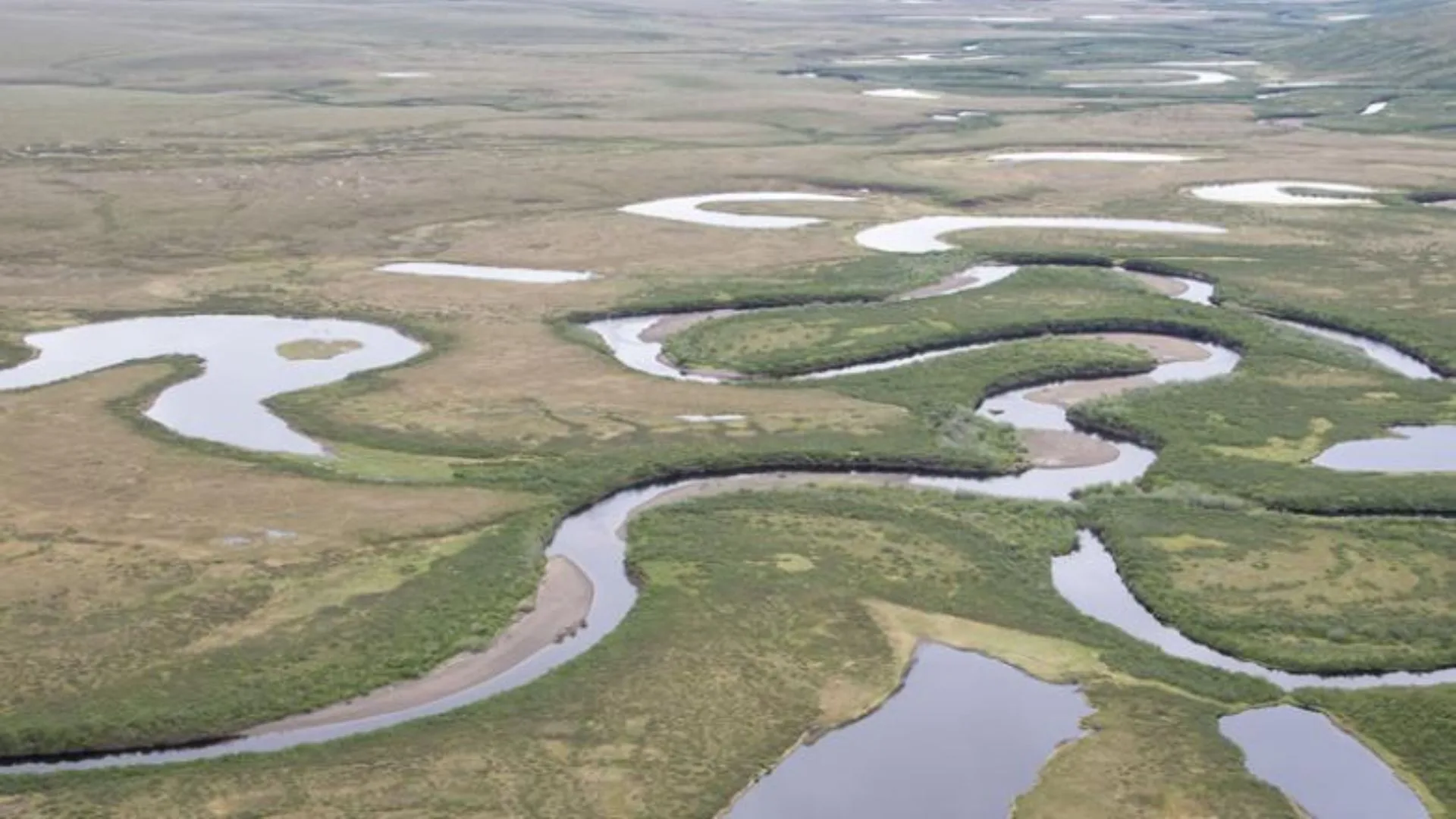
The United States government awarded oil and gas leases in the National Petroleum Reserve-Alaska (NPR-A) totaling $163 million, making it the most successful lease sale on record in the region.
Furthermore, this result reflects renewed appetite from the energy industry for Arctic assets, following several years of reduced activity in this type of bidding.
Participation of Major Oil Companies
Among the companies leading the bids were ExxonMobil, Shell, Repsol, and ConocoPhillips, key players in the upstream sector globally.
In this context, the companies sought to secure strategic positions in an area with high resource potential, despite the logistical complexities involved in operating in Alaska.
Likewise, the diversity of participants demonstrates growing competition for access to energy reserves in territories that remain largely undeveloped.
Alaska Oil Lease Sale Drives Interest
On the other hand, the lease sale comes after more than six years without similar processes in the region, which partly explains the accumulated volume of demand.
This upturn is also linked to changes in U.S. energy policy, aimed at boosting domestic hydrocarbon production.
Technical and Regulatory Challenges
However, the development of these assets faces significant challenges. Among them are high operating costs in remote areas and potential legal disputes related to environmental impact.
In fact, projects in Alaska have historically been subject to litigation, which introduces uncertainty into execution timelines.
Outlook for the Energy Market
Finally, the result of this lease sale once again positions Alaska as a relevant focus within the U.S. energy map.
As companies advance their exploration plans, the balance between economic development and environmental regulation will be decisive for the future of these projects.
Source and photo: BLM