
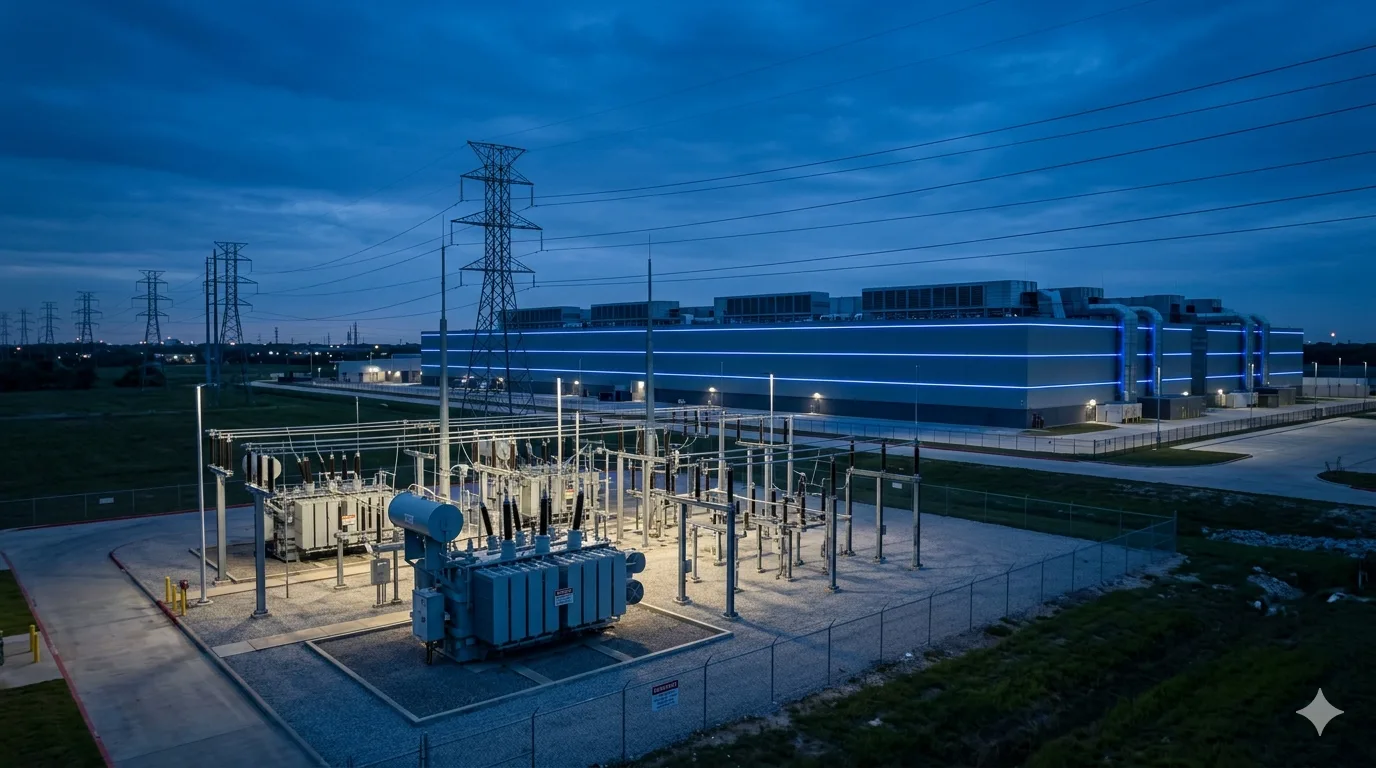
During CERAWeek 2026, the energy sector confirmed a turning point: electricity demand driven by artificial intelligence is growing faster than installed generation and transmission capacity. This phenomenon is breaking traditional energy projection models.
The expansion of high-density data centers, geared toward intensive computing loads, is redefining the concept of baseload. Unlike conventional industries, these systems operate with high continuity, generating constant and increasing consumption profiles.
As a result, grid operators face a scenario where planning can no longer be based on historical trends. Digital infrastructure is now positioned as the primary driver of global energy demand growth.
Physical limits in grids and critical energy nodes
The accelerated growth in demand is straining existing transmission grids. In nodes where data centers are concentrated, transport capacity is beginning to show signs of structural saturation.
At an operational level, one of the most critical factors is thermal management. Advanced rack cooling systems can account for up to 40% of total consumption, increasing the effective load on the grid and reducing overall energy efficiency. Furthermore, system resilience depends on key assets such as transformers and storage systems. A lack of timely investment in these elements increases the risk of bottlenecks and frequency instability events.
CERAWeek 2026 Technical strategies for increasing energy pressure
Paradoxically, the same artificial intelligence driving the demand is also emerging as the solution. Its application in intelligent load management allows for real-time dispatch optimization, improving operational stability.
This approach forces a redefinition of investment strategies. Energy companies are prioritizing infrastructure modernization, integrating flexible generation and storage systems to respond to unforeseen demand peaks.
Ahead of the technical sessions at CERAWeek 2026 Houston, S&P Global is expected to drive agreements between tech companies and utilities. The goal is clear: to sustain digital growth without compromising energy security or system profitability.
Starting March 23, technical roundtables at CERAWeek will define coordination standards between tech giants and energy companies. New infrastructure-wide agreements are expected to be announced to sustain digital growth without compromising regional energy security.
Original source: CERAWeek by S&P Global