
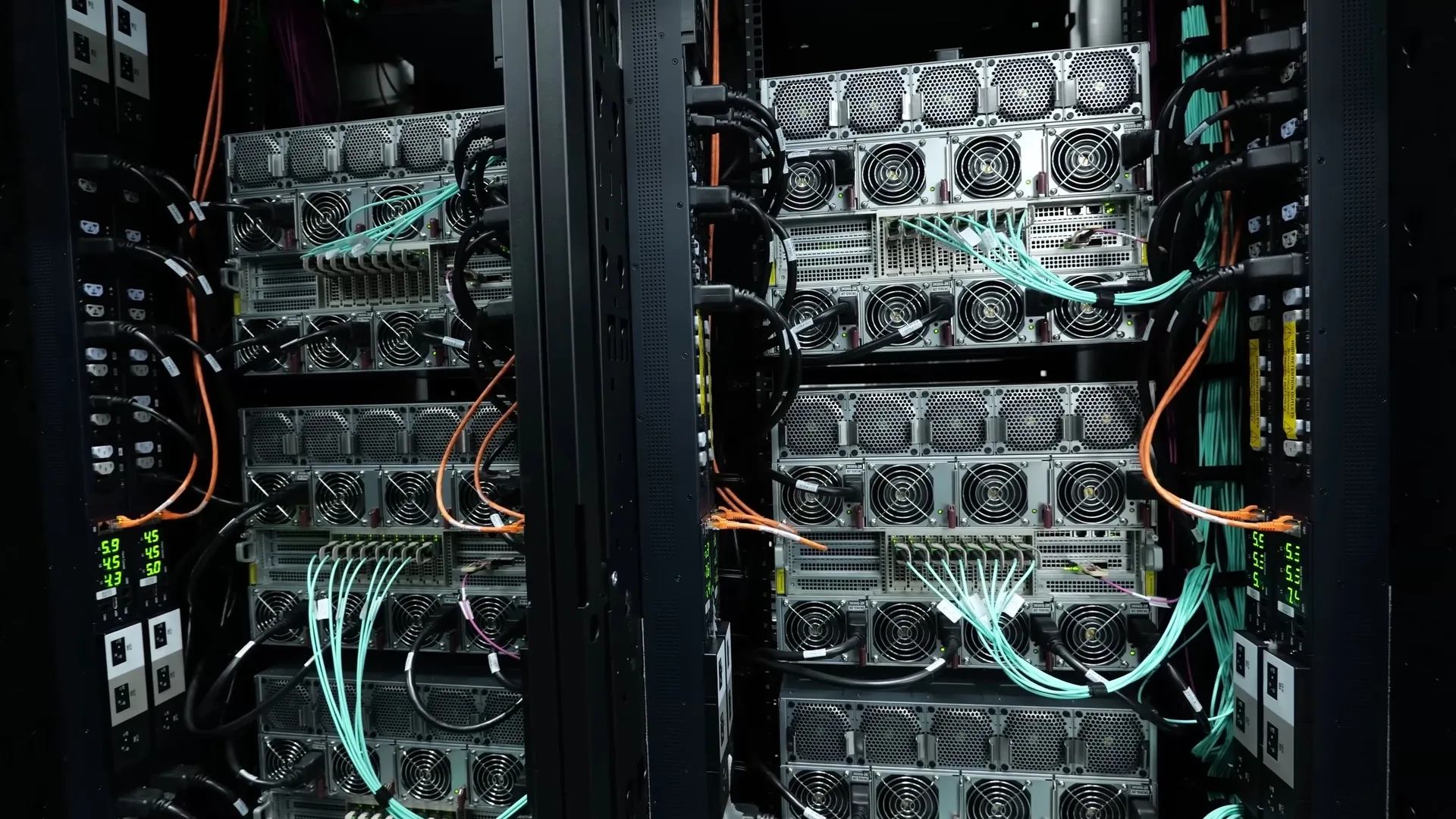
Aker BP and Armada have signed a strategic agreement to install a Galleon modular data center on an offshore drilling rig on the Norwegian continental shelf, with the aim of processing and analyzing operational data in real time from the very place where it is generated.
Historically, drilling operations rely on complex data that, until now, had to be transmitted onshore or to the cloud for analysis. This data center aims to eliminate that dependency by bringing computing to the network edge.
AI edge processing and stronger cybersecurity
The installation of Galleon will allow Aker BP to run artificial intelligence models directly on the platform, resulting in faster predictive capability to identify equipment failures, reduce downtime, and maintain operations even during connectivity disruptions.
Standardization and operational efficiency
One of the advantages of the modular data center is its ability to integrate applications from multiple vendors into a single architecture, replacing traditional fragmented IT and OT stacks. This standardization supports regulatory compliance and enables remote management of tasks such as monitoring, support, and updates.
The model also reduces the need for on-site interventions, supporting the transition to more efficient and sustainable remote operations.
A replicable deployment for other platforms
The first Galleon center will be installed as a reference on a pilot platform. If its effectiveness is validated, it will serve as the basis for expansion to other Aker BP facilities, using a replicable approach that reduces costs and speeds up deployment time.
Both Armada and Aker BP worked with industrial partners to define the requirements for this initial installation and select the most critical use cases related to offshore data processing.
One more step toward autonomous offshore operations
With this project, Armada continues to expand its presence in marine environments after implementing similar technologies for the U.S. Navy. For Aker BP, it represents progress in the digital transformation of its energy operations, combining automation, AI, and edge computing to achieve higher levels of efficiency.
Source: Armada