
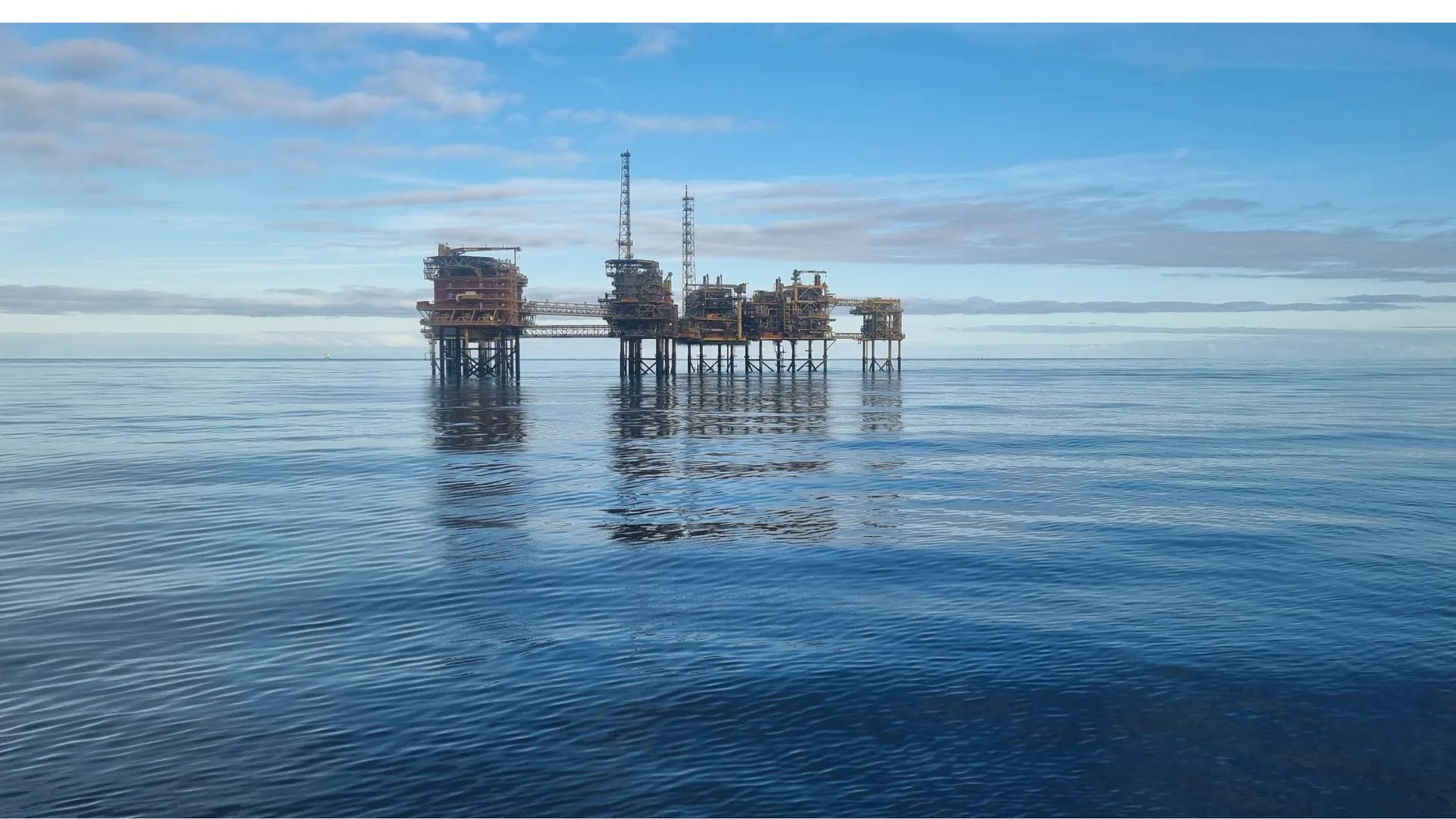
The North Sea Transition Authority (NSTA) has closed the second licensing round for carbon storage in the UK, resulting in applications for over 2 million acres of the North Sea seabed. This step marks a firm advance in consolidating carbon capture and storage (CCS) infrastructure, positioning the UK as a global leader in the field.
Key projects advance towards initial injection
The round, launched in December 2025 following consultations with The Crown Estate and Crown Estate Scotland, aims to extend the success of previously granted permits. Among the most representative cases are the Endurance and HyNet projects, both previously approved and with plans for their first CO₂ injections in 2028.
Endurance, located off the coast of Teesside, has already begun drilling an appraisal well. HyNet, with three storage permits granted, is preparing to follow suit. Additionally, the Bacton CCS project, in the southern North Sea, has initiated similar activities in the Hewett field.
The momentum of CCS as an economic and strategic driver
The British government estimates that these developments will generate 4,000 direct jobs in the Northeast and Northwest regions of England, and could support up to 50,000 indirect jobs across the country. These figures reflect the potential of CCS not only as an environmental tool but also as a lever for industrial growth.
Andy Brooks, NSTA’s Director of New Projects, emphasized that “the growth of the carbon storage sector is excellent news for jobs, skills, and the supply chain in the UK.” He also highlighted that the country has key advantages such as accumulated experience in North Sea operations, favorable geological conditions, and strong spatial coordination.
Next steps and inter-agency coordination
The NSTA will now examine each application in detail and continue discussions with entities such as The Crown Estate and Crown Estate Scotland, to ensure coordinated allocation compatible with other maritime sectors. Maps with potential storage areas and a set of administrative expectations have also been published to guide future licensees.
The expansion of carbon storage in British waters is, without a doubt, a strategic move towards a cleaner energy model. With ongoing projects and new interested parties, the North Sea is emerging as one of Europe’s main underground carbon reservoirs.