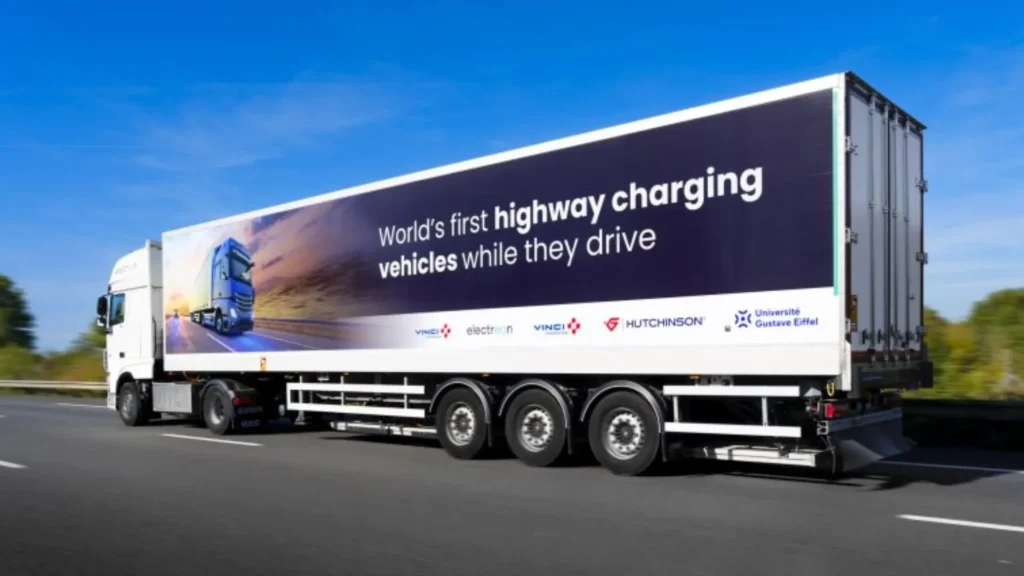
VINCI develops a dynamic wireless charging system on a French freeway
Wireless dynamic charging technology could also decrease the weight of batteries in electric vehicles.

Wireless dynamic charging technology could also decrease the weight of batteries in electric vehicles.

Drivers highlight the low noise level, driving comfort and engine response as key elements that make these vehicles an attractive option compared to traditional alternatives.

Both parties will develop specific solutions to meet the requirements of international markets.

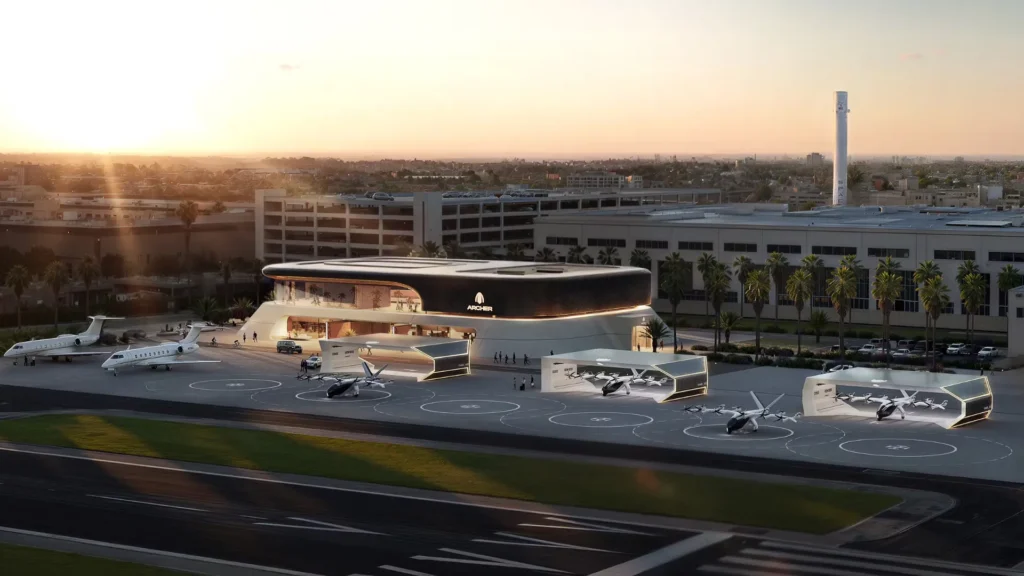
The VT35 can take off and land from parks, rooftops and parking lots thanks to its compatibility with the EH216-S vertiports.

These actions consolidate a more robust and prepared network for the energy and railway growth of the territory.

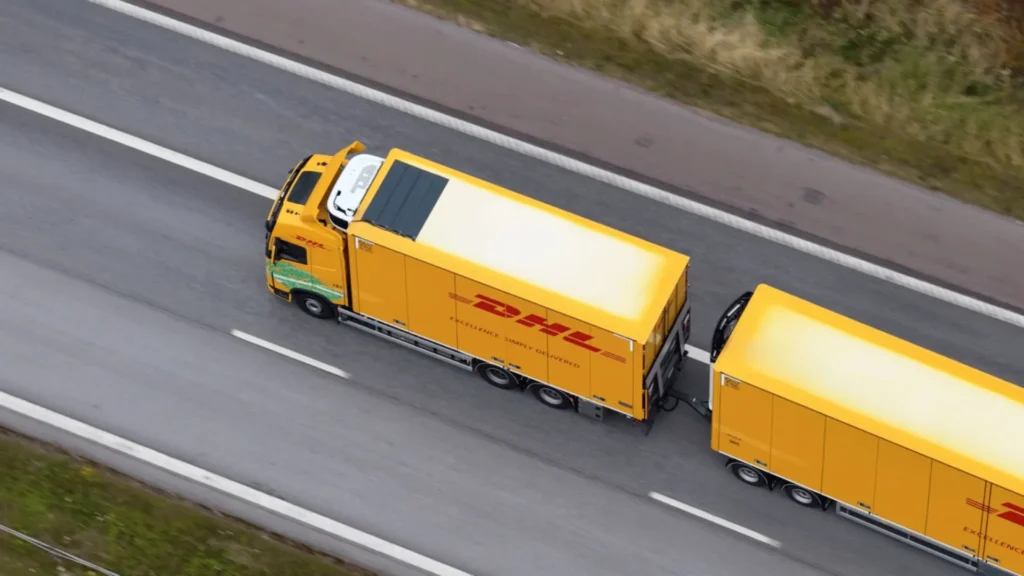
Solar panels have already achieved a 4 % to 7 % reduction in fuel consumption and CO₂ emissions in diesel fleets.

The integration of superconducting motors represents a specialized technical way to achieve that goal, without compromising operational performance.

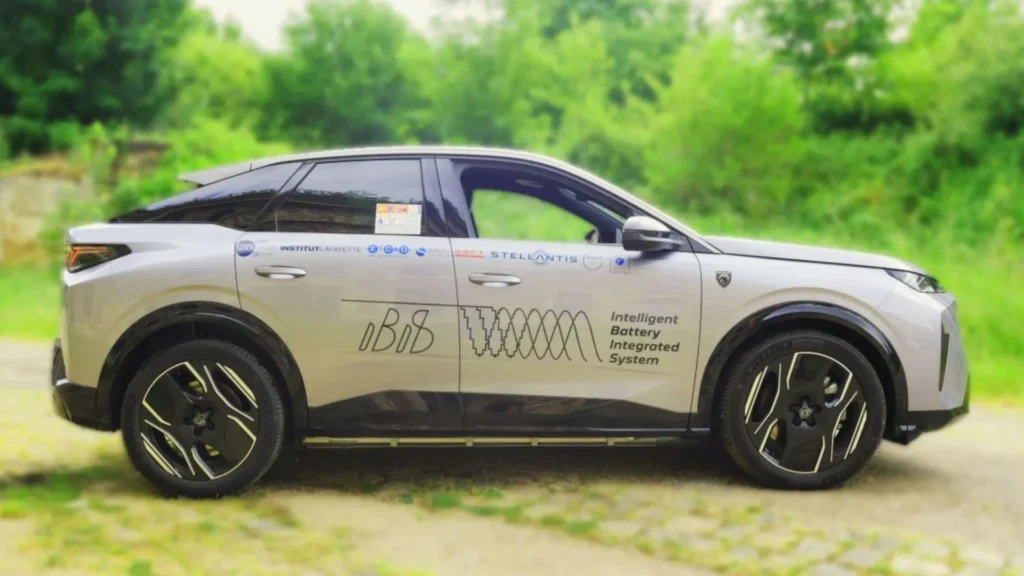
Stellantis, in collaboration with Saft, a subsidiary of TotalEnergies, has unveiled the first prototype electric vehicle equipped with IBIS (Integrated Battery Inverter System) technology, an integrated…

Euro 6 technology aims to reduce the emission of harmful pollutants, such as nitric oxide, in diesel vehicles.

This development adds to the X-Range family, a range that allows manufacturers to integrate hybrid or combustion technology into 100% electric platforms with minimal modification.

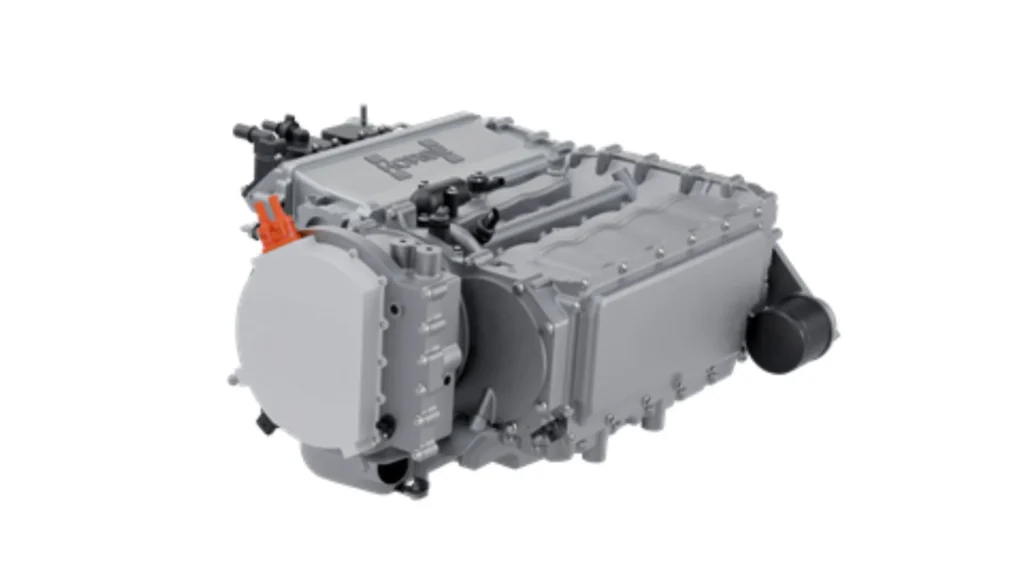
The new fuel cell system reduces its volume by 25%, increases power density and integrates easily into future vehicle architectures.

The technology operates at speeds in excess of 60 km/h and has the ability to optimize performance according to topography and environmental conditions.