
Featured
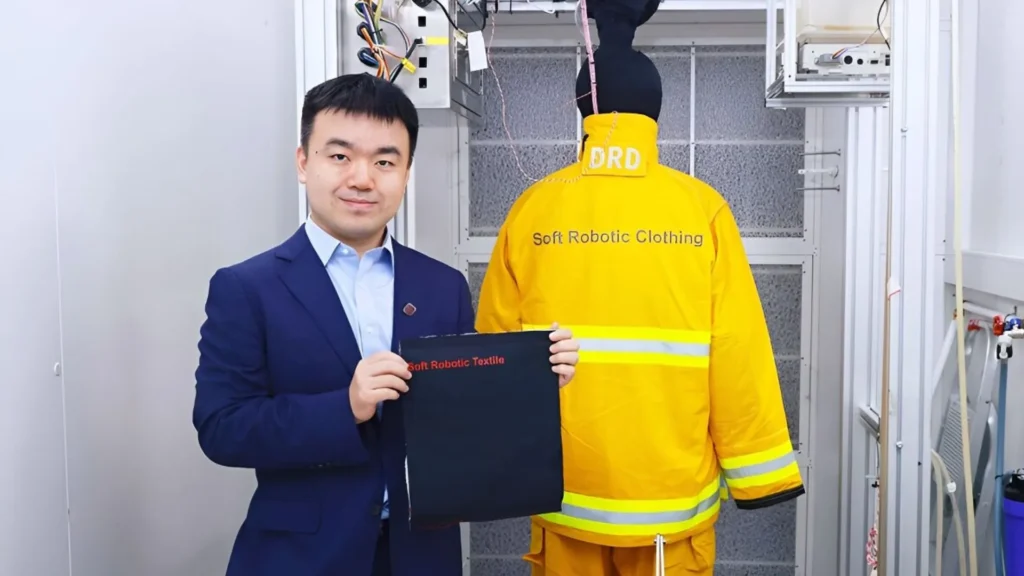
Researchers invent soft, temperature-regulating robotic clothing
His creation was inspired by the way pigeons fluff their feathers to trap heat.
His creation was inspired by the way pigeons fluff their feathers to trap heat.
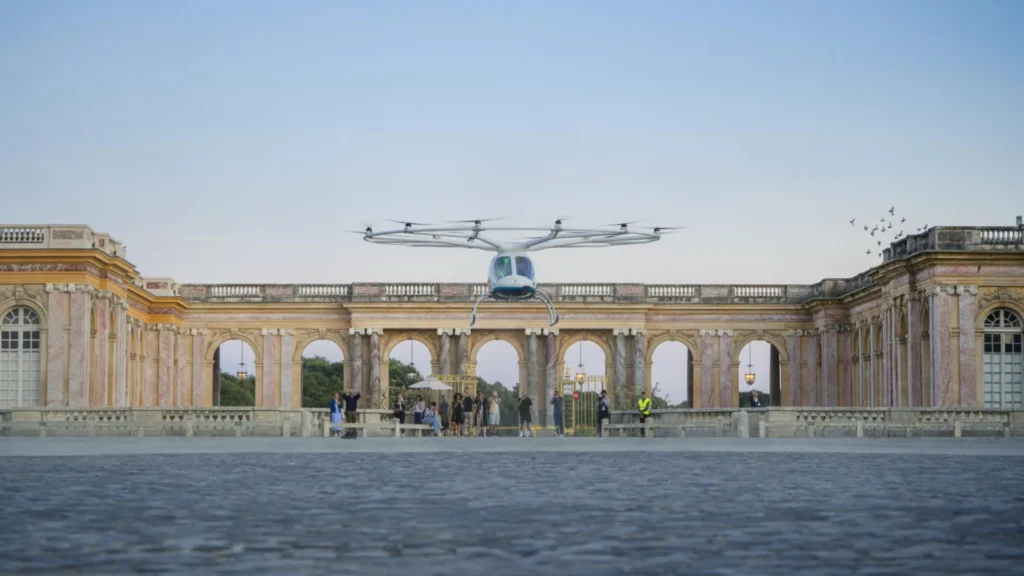
Volocopter's first eVTOL flight took off in front of the Grand Trianon at the Palace of Versailles.
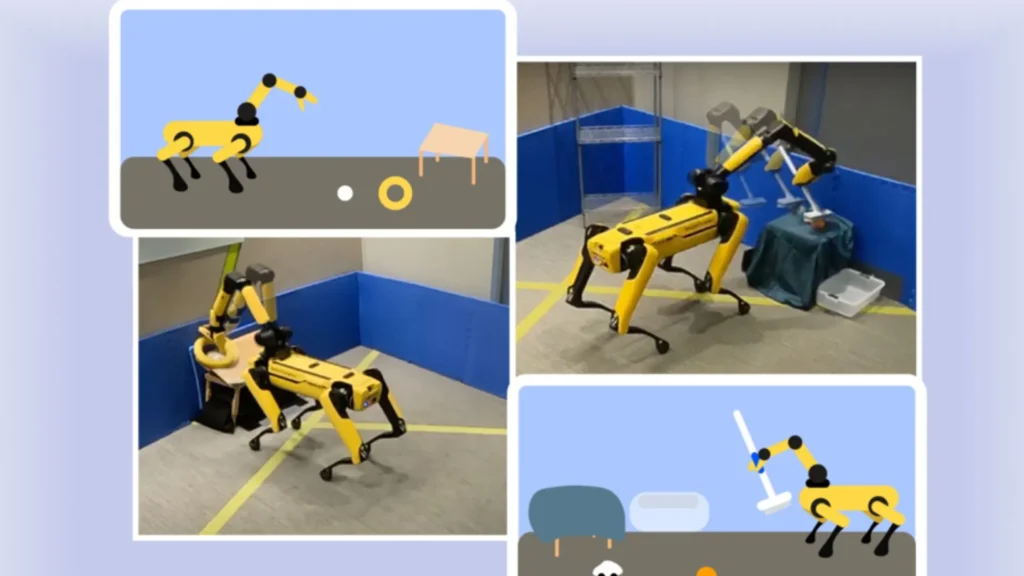
EES enabled the Spot robot to learn to perform complex tasks in just three hours.
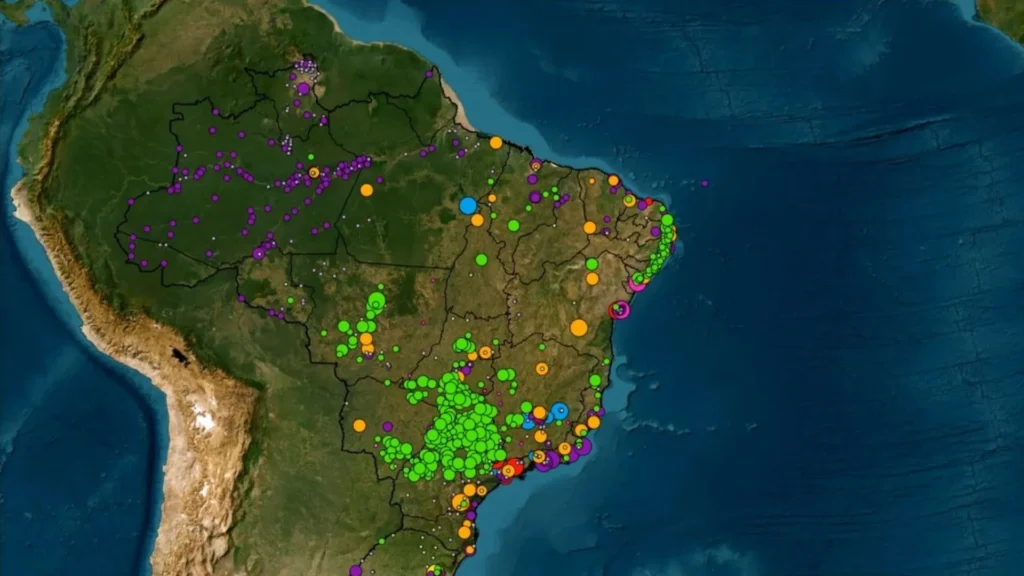
The Brazilian company seeks to innovate tools and platforms to measure the volume of carbon dioxide emissions in the country.
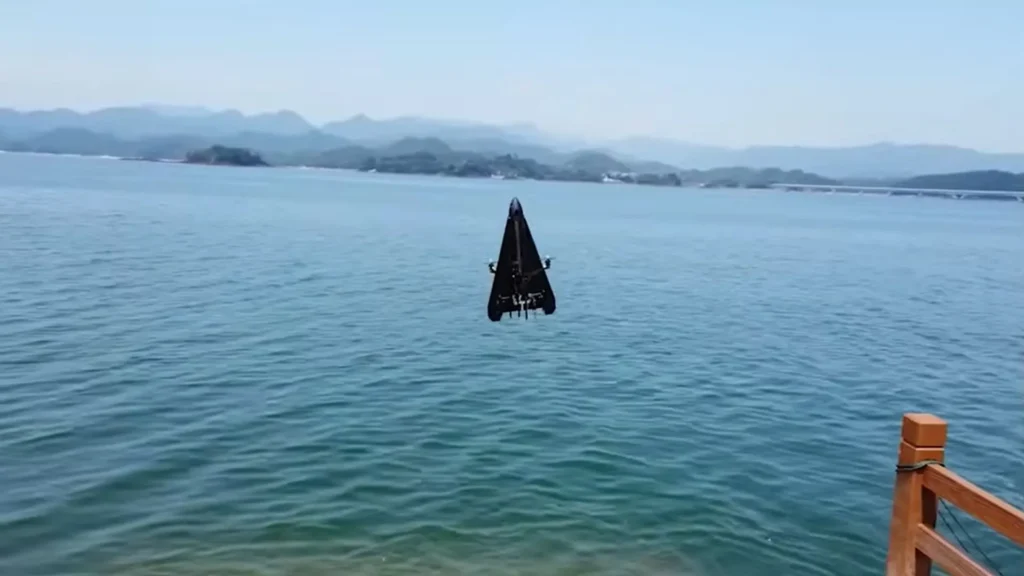
The Nezha-SeaDart drone is named after a legendary deity in Chinese culture, and differs from other HAUV prototypes.
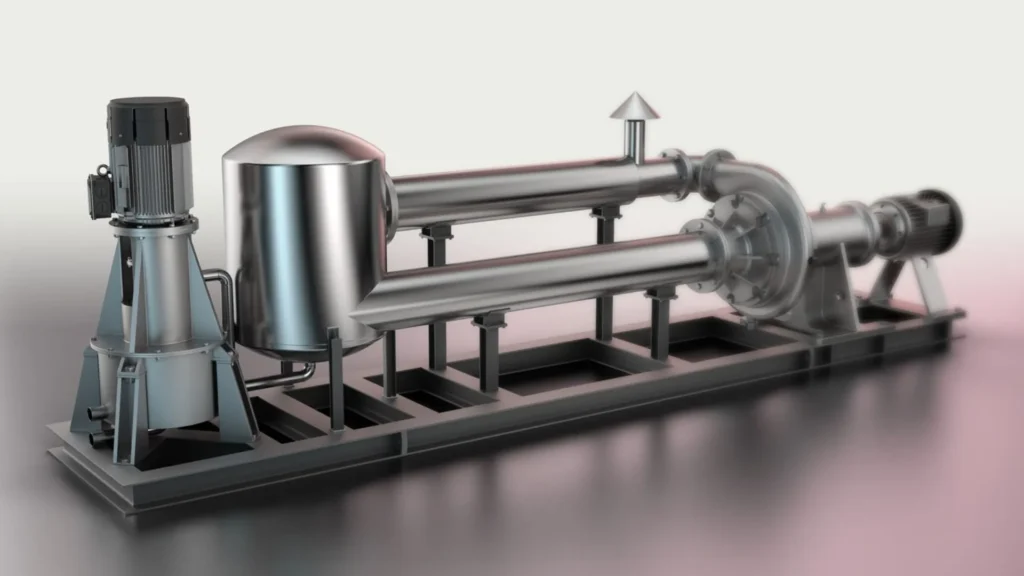
Luminescent patents the first isothermal engine that converts heat into electricity without emissions, achieving 70-80% Carnot cycle efficiency.
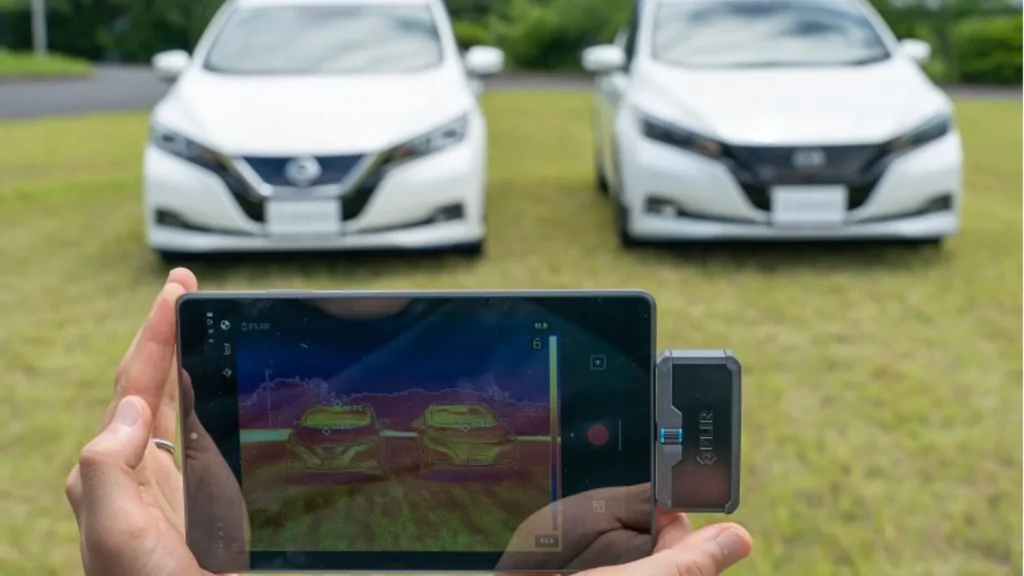
The paint can reduce the internal temperature of vehicles by up to 5 degrees Celsius.
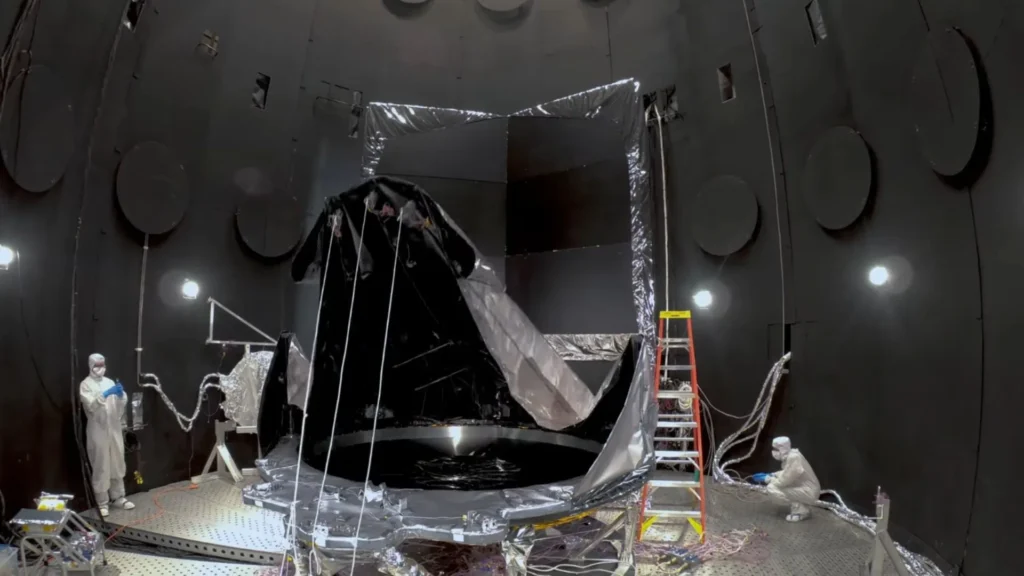
The sunshield, an important accessory for the telescope, withstood the lowest temperatures surprisingly well, to ensure its operation in extreme conditions.
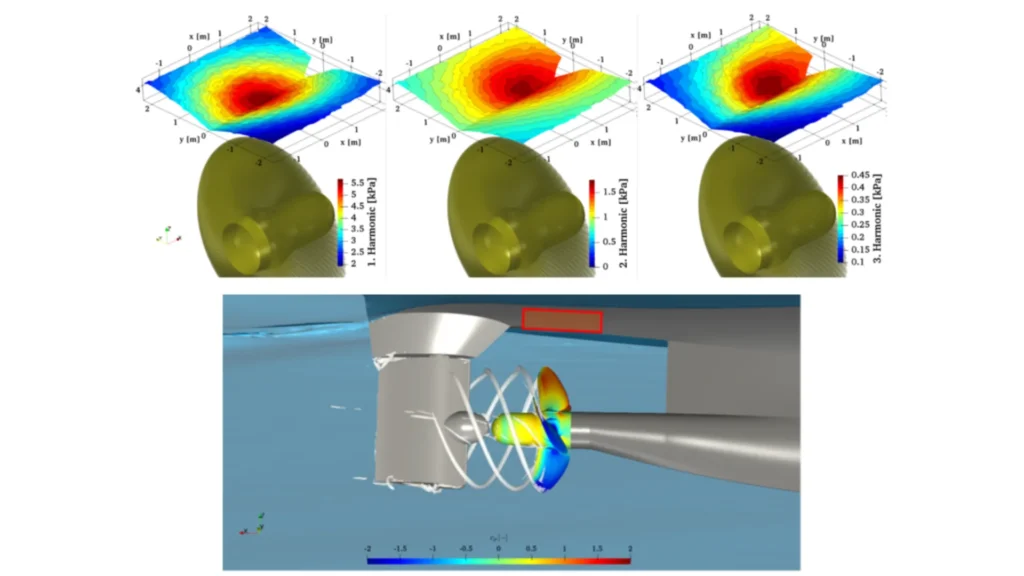
The project was able to reduce the URN by 5 decibels using an optimized propeller, despite having a smaller diameter.
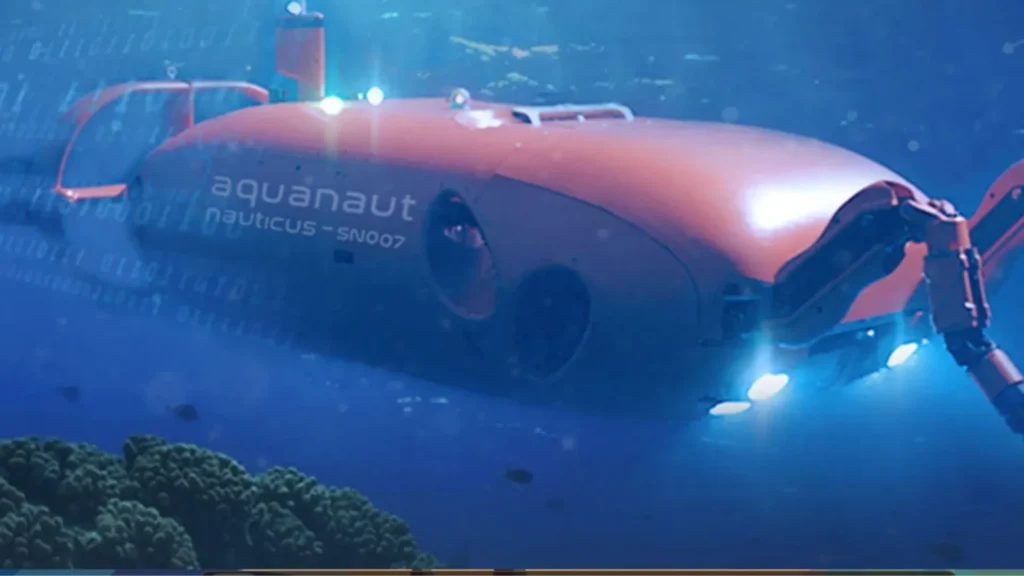
Nauticus Robotics expects to save up to 90% on Aquanaut Mark 2 testing costs through its collaboration with FAU.
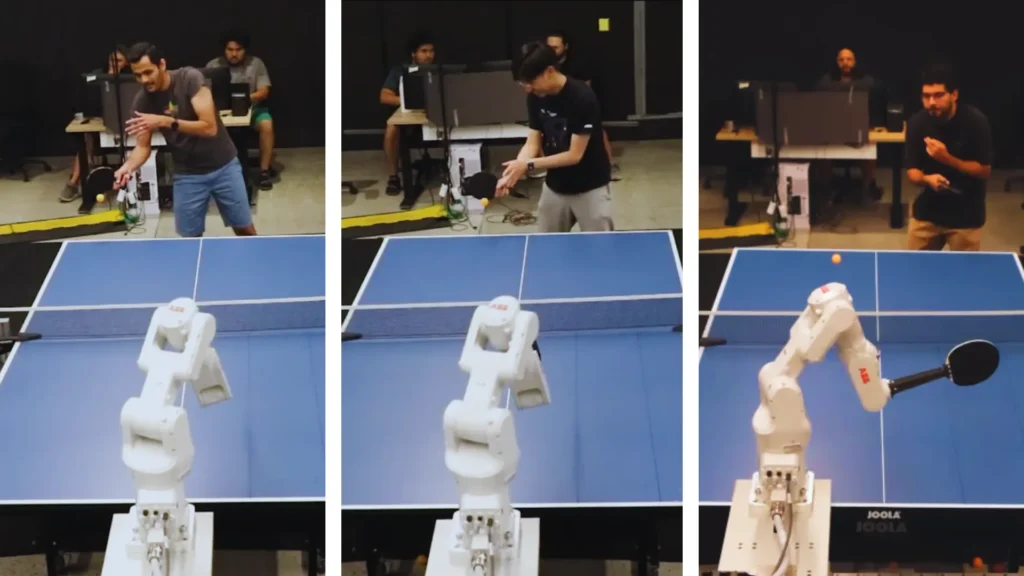
Google's DeepMind robot won 45% of its matches against human players, but failed to beat advanced level players.

The Sea Changue is the only ship in the world with potable emissions.