

News
OpenAI introduces GPT-5: integrated reasoning and improved responses
With reasoning enabled, GPT-5 outperforms o3 using 50-80 % fewer output tokens.
With reasoning enabled, GPT-5 outperforms o3 using 50-80 % fewer output tokens.

The technology uses artificial intelligence and a robust sensor suite to interpret the environment and execute haul routes safely.
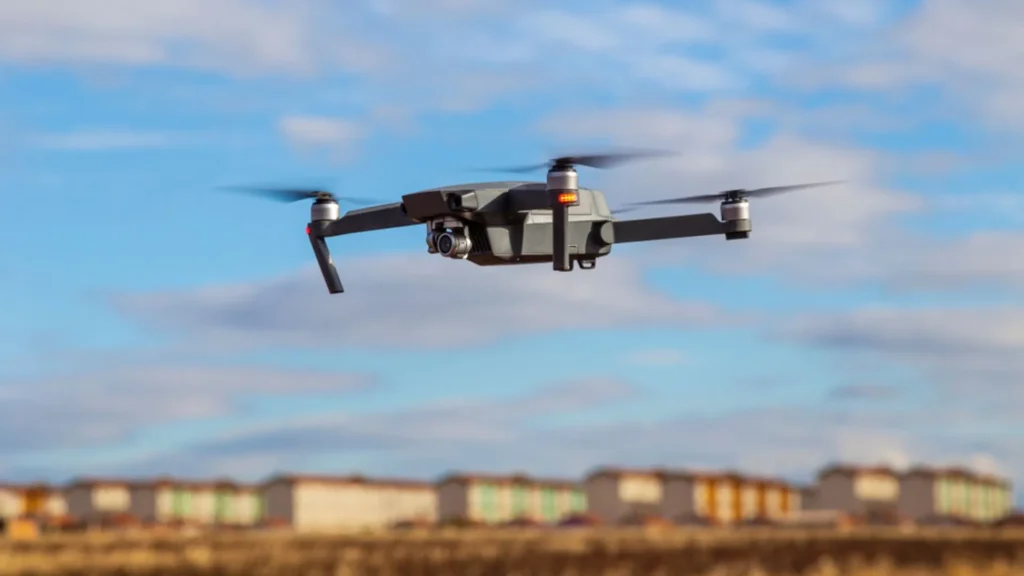
The drone uses hydrogen generated by solar electrolysis and emits only water vapor when flying.
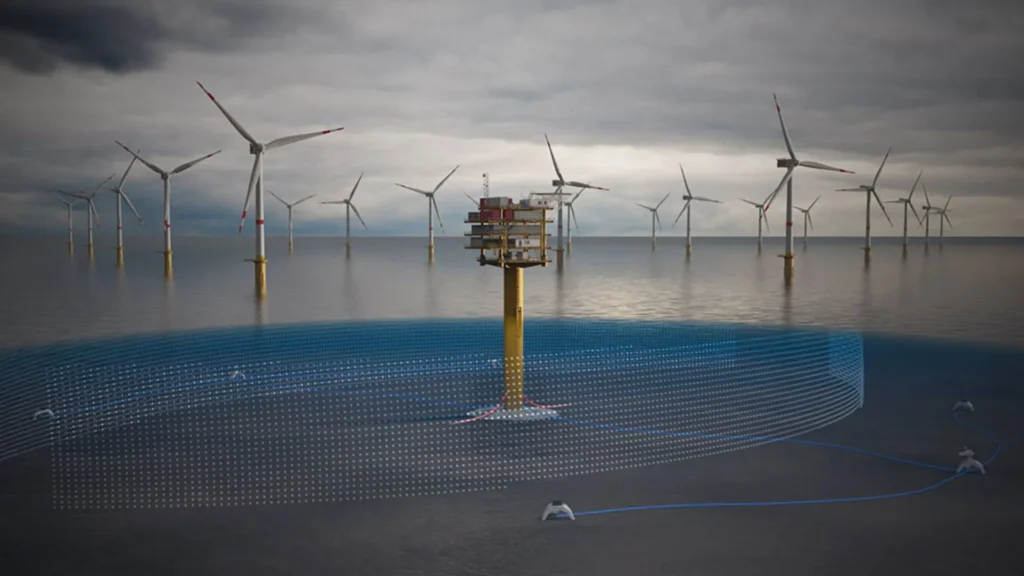
Drone technology will make it possible to detect suspicious movements in critical areas and neutralize threats through capture mechanisms.

The company highlighted that its Optimized Cascade system has been successfully implemented in multiple international LNG projects.
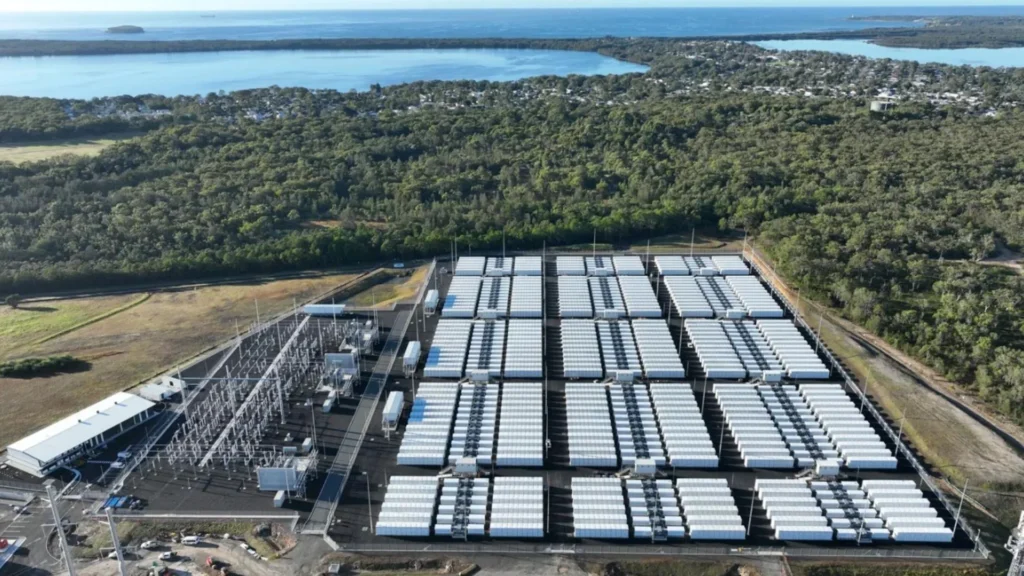
The Waratah is designed to be fully charged in just two hours and can discharge all its energy in seconds.

The company will allocate one third of the total budget exclusively to the development of renewable energy to power the data center.
The eCopter consumes only 30 kWh per 100 km, with a noise level of 55 dB(A), equivalent to a dishwasher.

The governmental organization supports this initiative, a decisive step towards a growth model focused on innovation and efficiency.

The company will provide its expertise in subsea engineering to ensure the successful connection of these offshore platforms to the mainland.
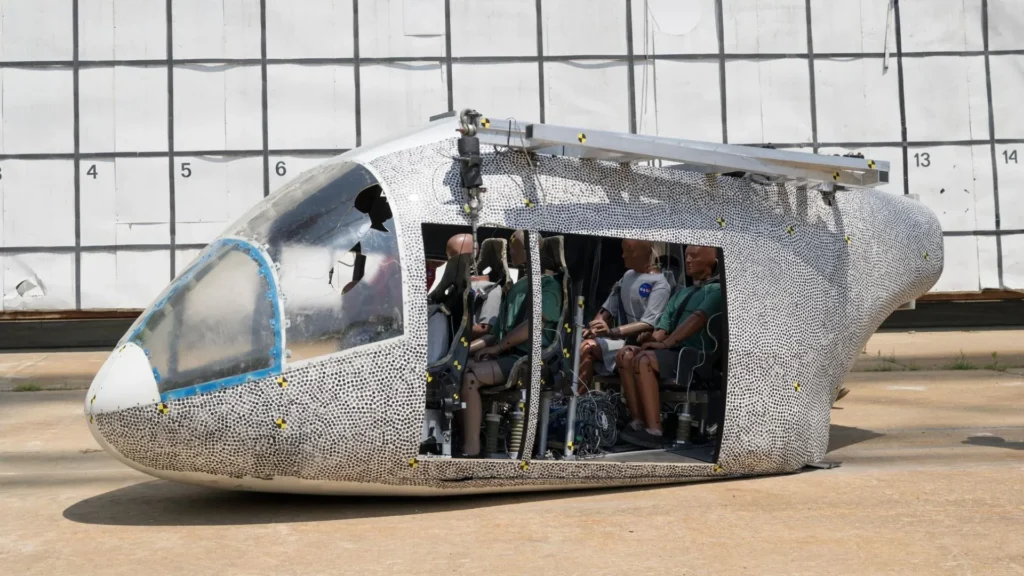
The impact test implemented weighted dummies and internal structures designed to absorb impacts, including deformable subfloors similar to safety zones in automobiles.

The new solution can triple inspection throughput by using up to three Cypher-probe units simultaneously.