
Featured
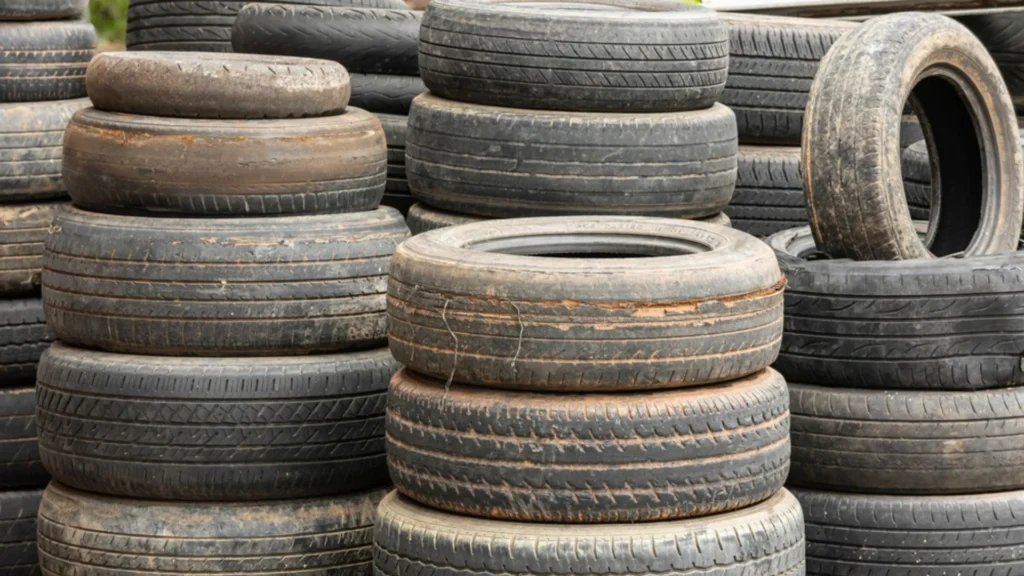
Scientists create new technique to reuse rubber waste
Tire recycling will allow the production of epoxy resins.
Tire recycling will allow the production of epoxy resins.
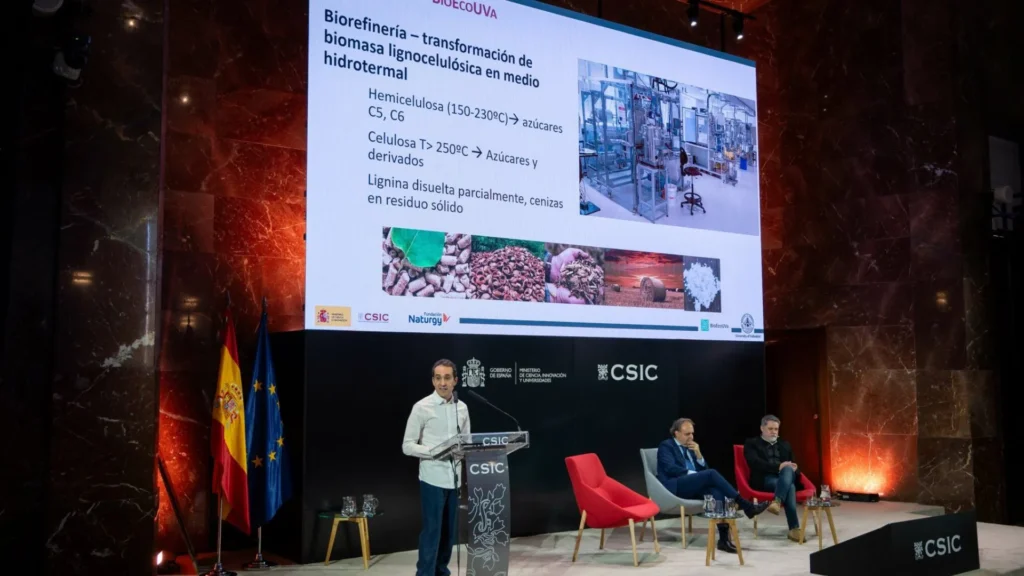
This project aims to expand the pilot plant's capacity and explore the possibility of integrating it into larger-scale industrial facilities.
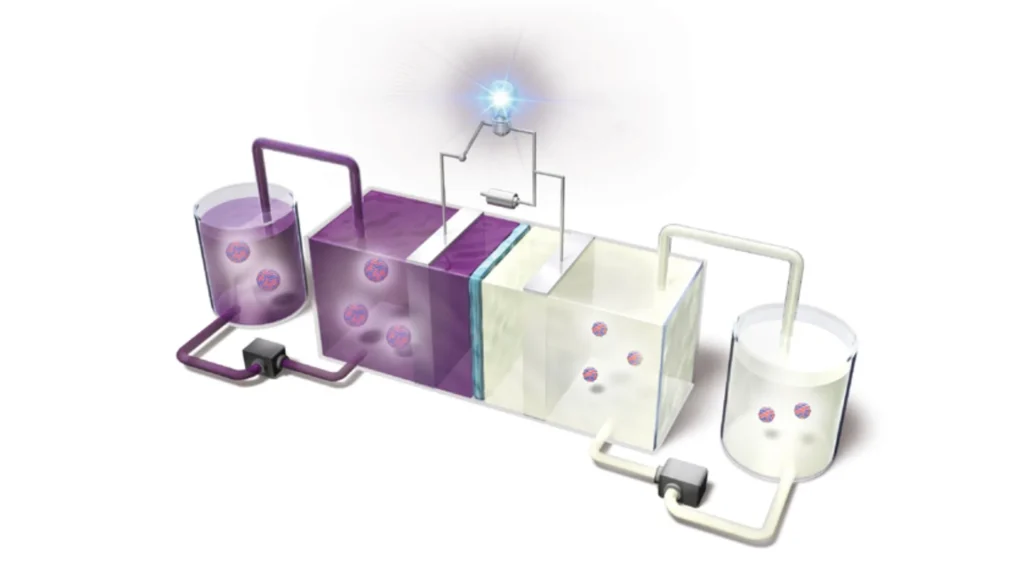
This new technology promises greater energy storage and greater integration capacity with renewable energy sources.
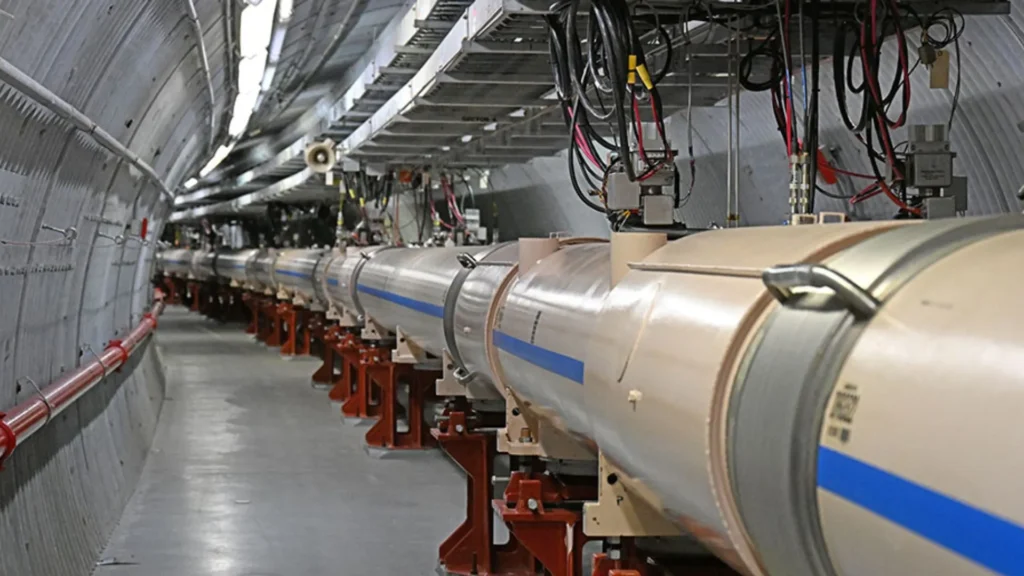
As RHIC completes its operational cycle, the data collected during this final run will be critical for future discoveries.
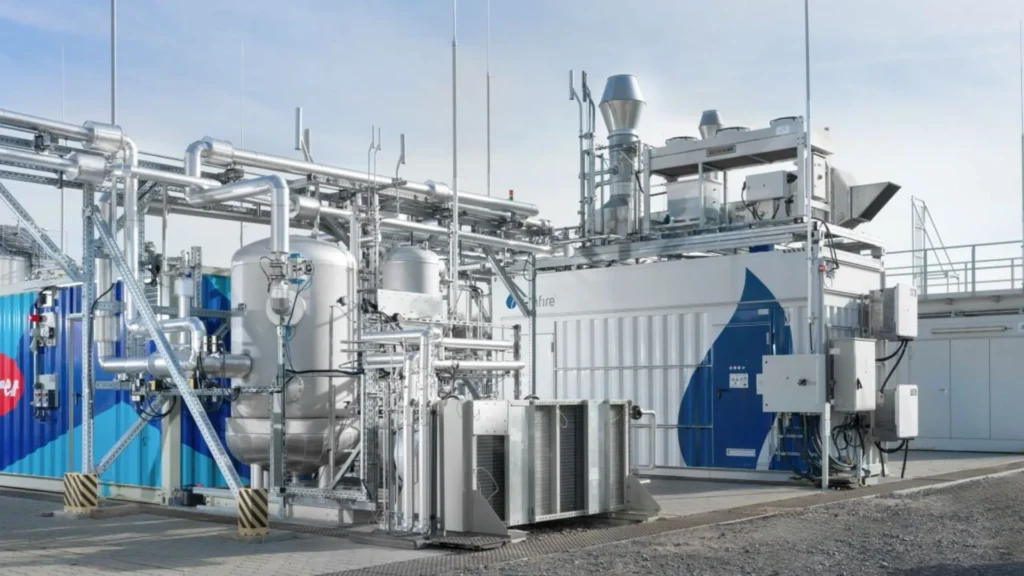
By implementing the Fischer-Tropsch method, efficient production of synthetic kerosene is achieved on an industrial scale.
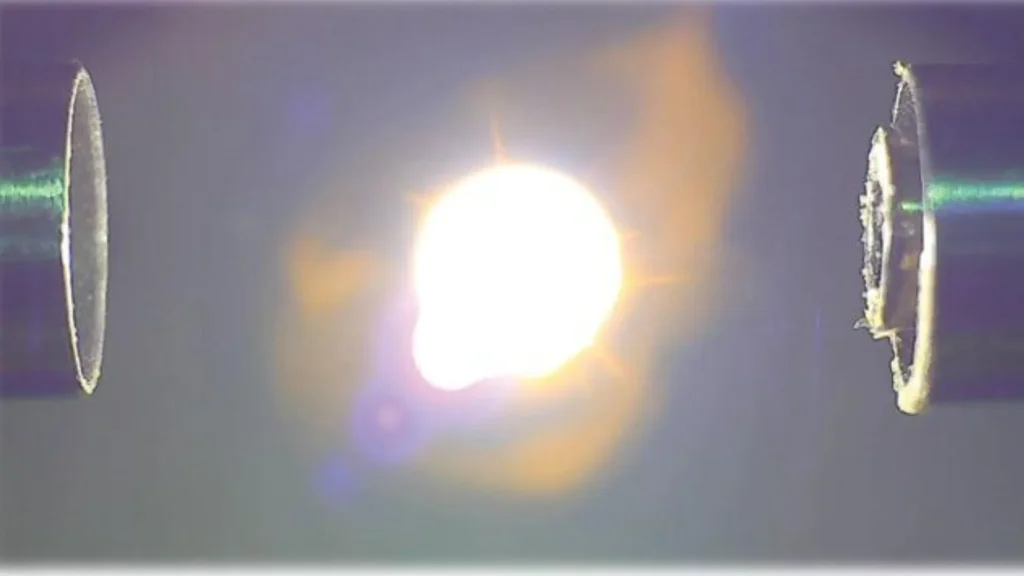
For the first time, ORNL scientists have been able to monitor chemical changes in molten salt in real time.
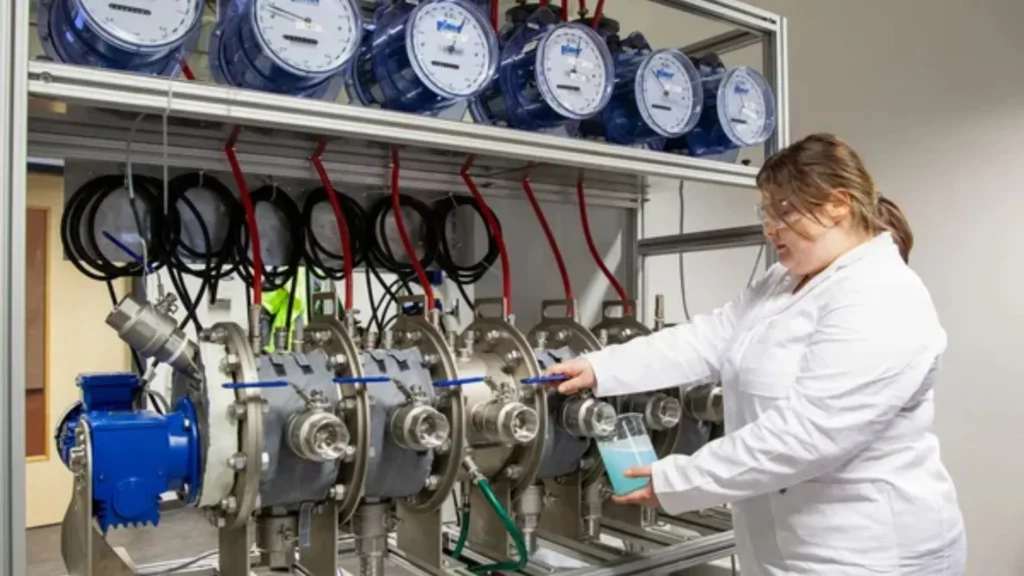
The project partners hope to continue their research to achieve more favorable results in the future.

QUADCOIL completes calculations in 10 seconds that other programs take between 20 minutes and several hours to complete.
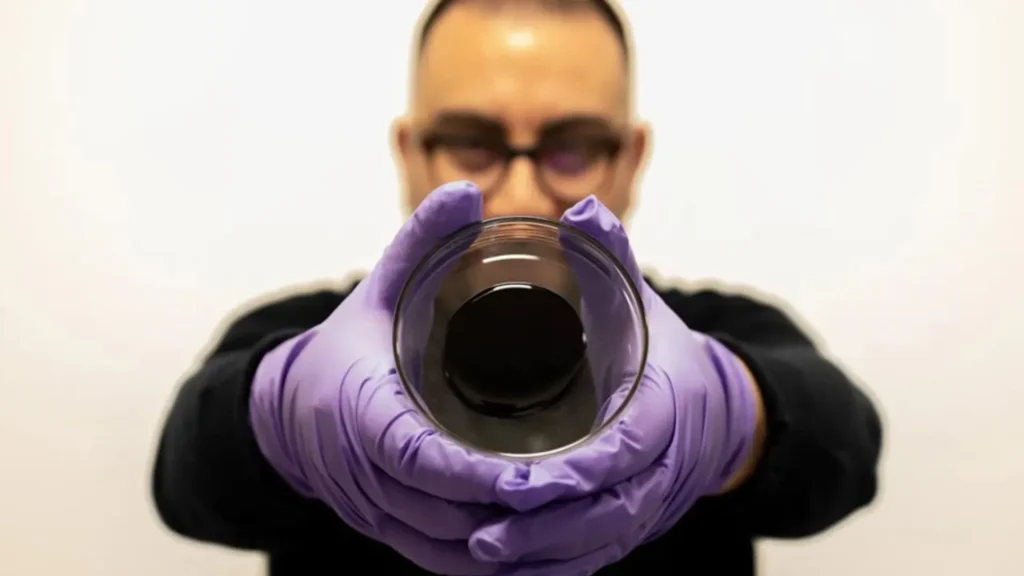
Self-healing asphalt promises to transform roads with more sustainable and cost-effective solutions.
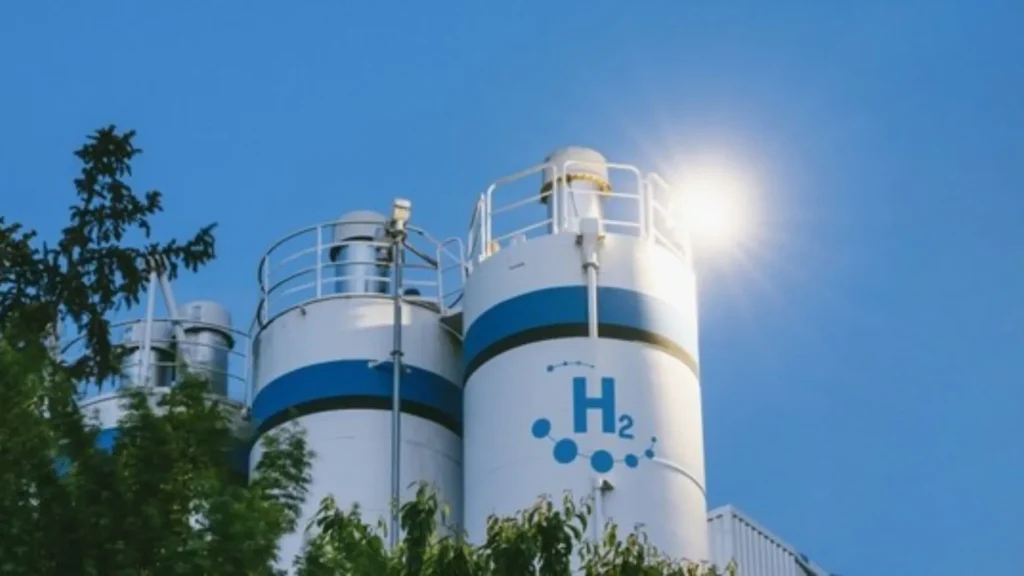
The possibility of producing these two products together represents a great sustainable economic model that helps the environment.
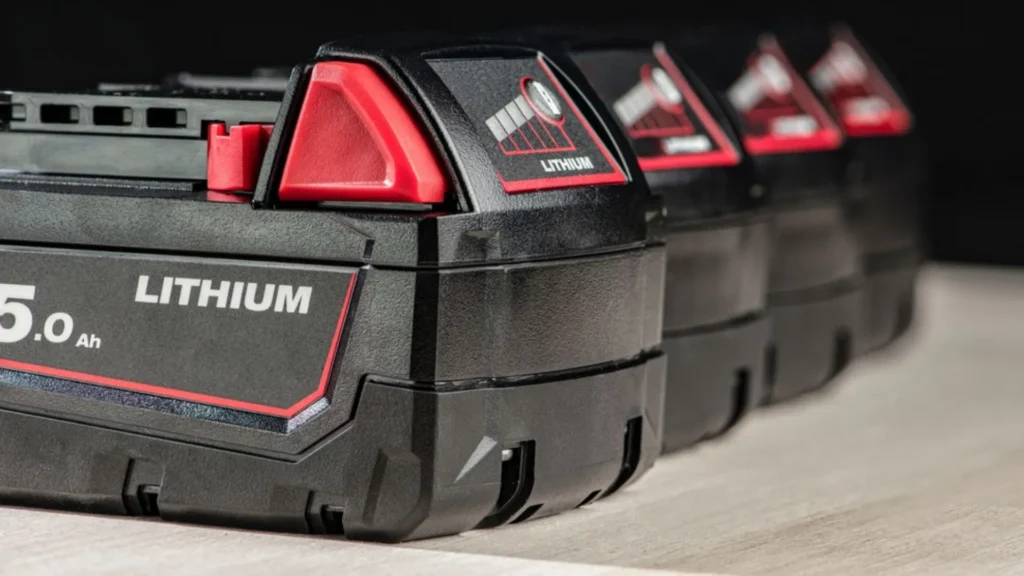
Leicester researchers create eco-friendly technique for recycling lithium batteries using vegetable oil.
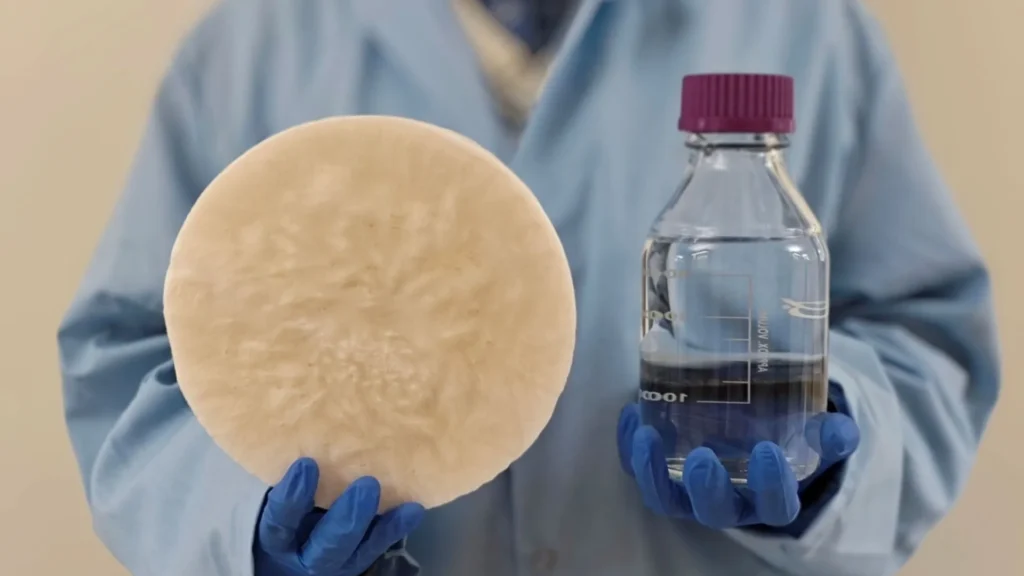
A biomass-based system extracts drinking water from the air with high efficiency and low energy consumption, transforming access to this resource.