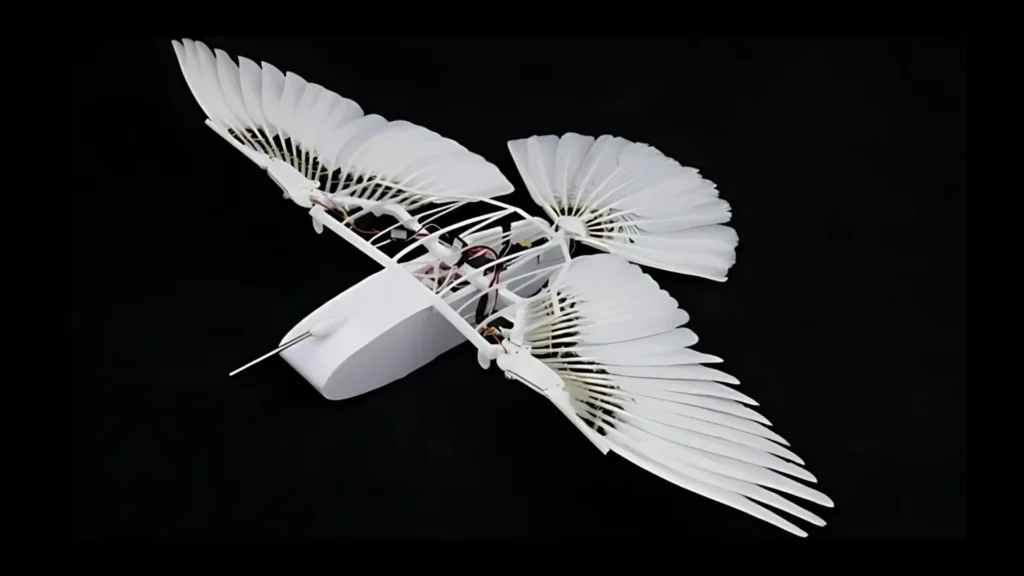
Stanford University researchers create robot pigeon for more efficient flights
The success of the PigeonBot II tests is based on its ability to replicate these adjustments, using a reflexive control system.
The success of the PigeonBot II tests is based on its ability to replicate these adjustments, using a reflexive control system.
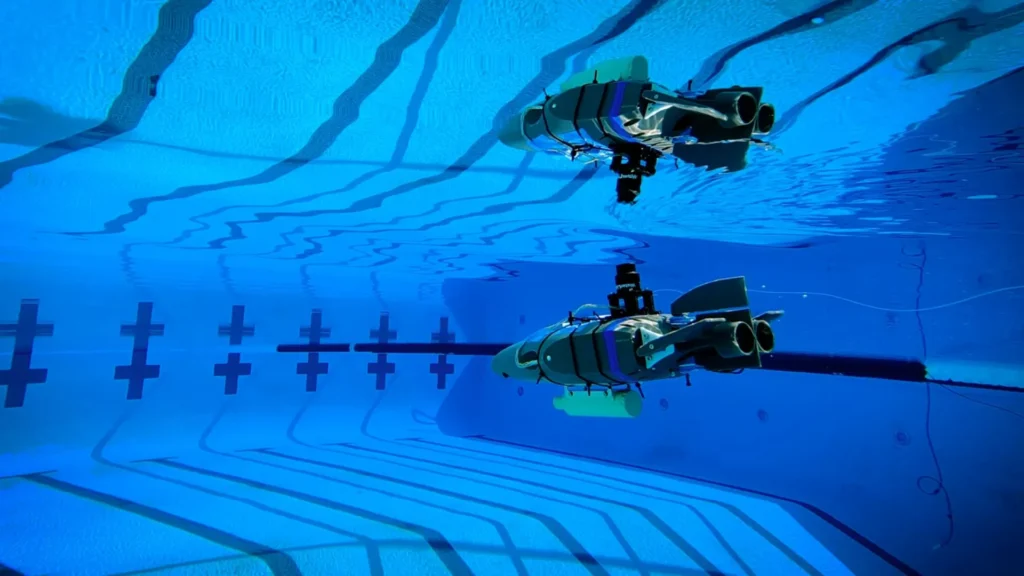
NASA is developing autonomous underwater robots to explore extraterrestrial oceans and search for signs of life on icy worlds.

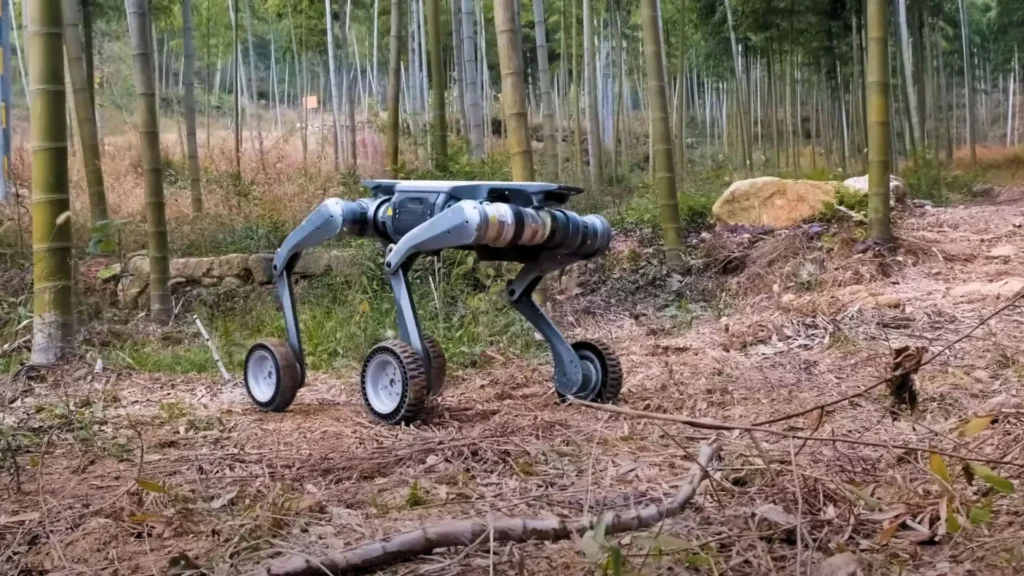
It quickly adapts to different environments thanks to its hybrid design and advanced control technology.

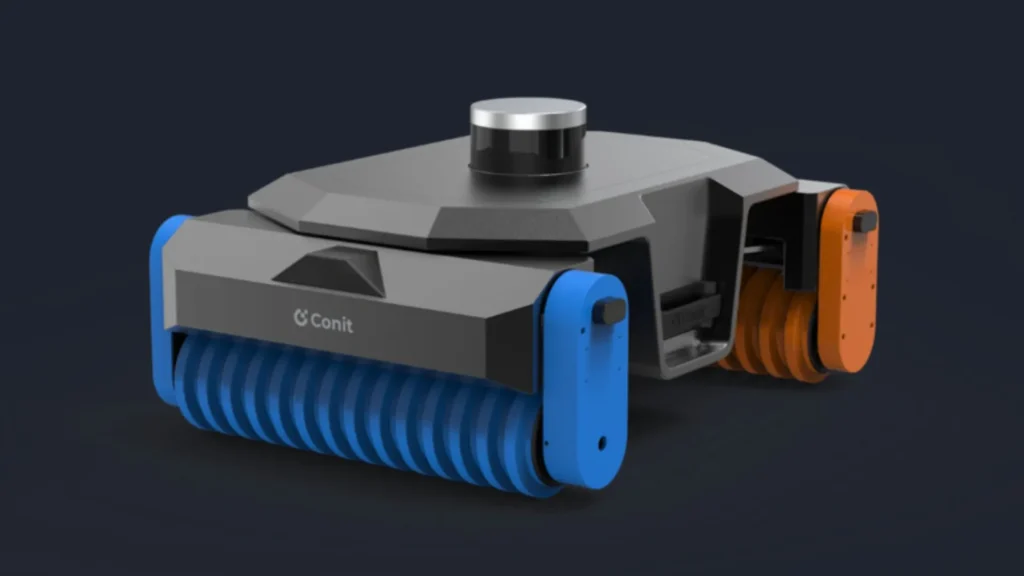
This robot integrates sensors, such as LiDAR and ultrasound, along with cameras and an inertial measurement unit (IMU).

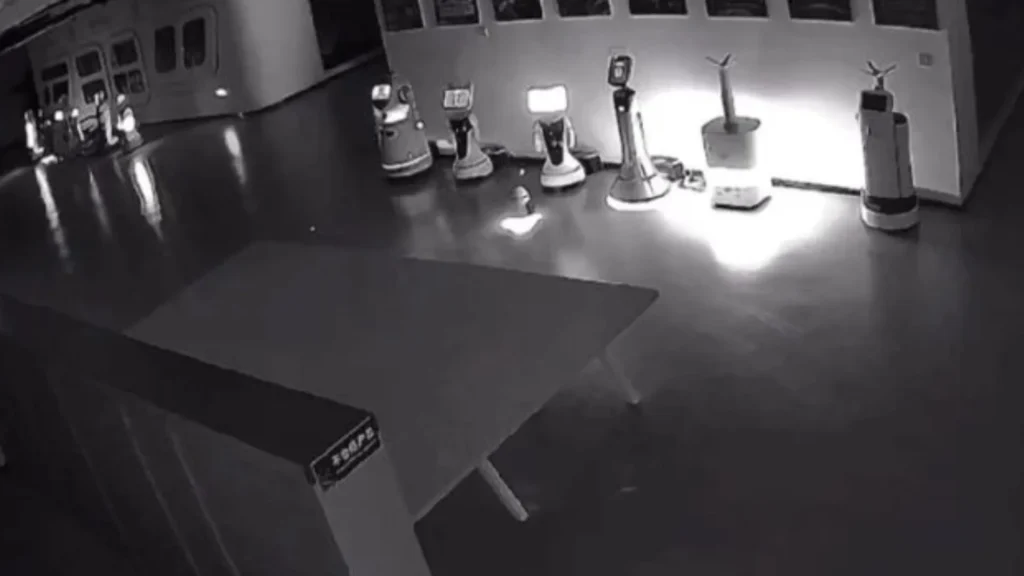
An AI robot demonstrates its persuasive abilities by convincing other robots to leave their posts.

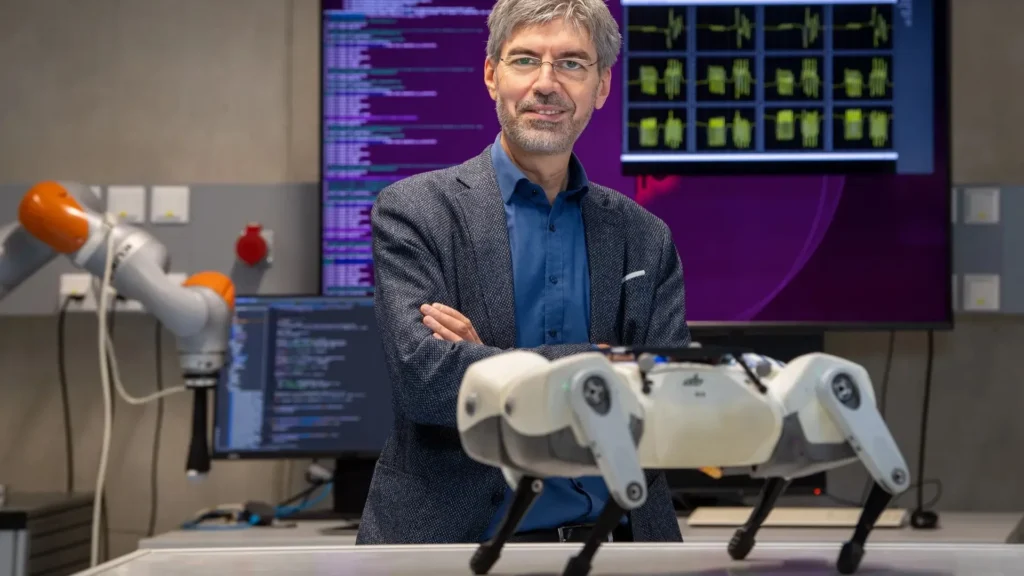
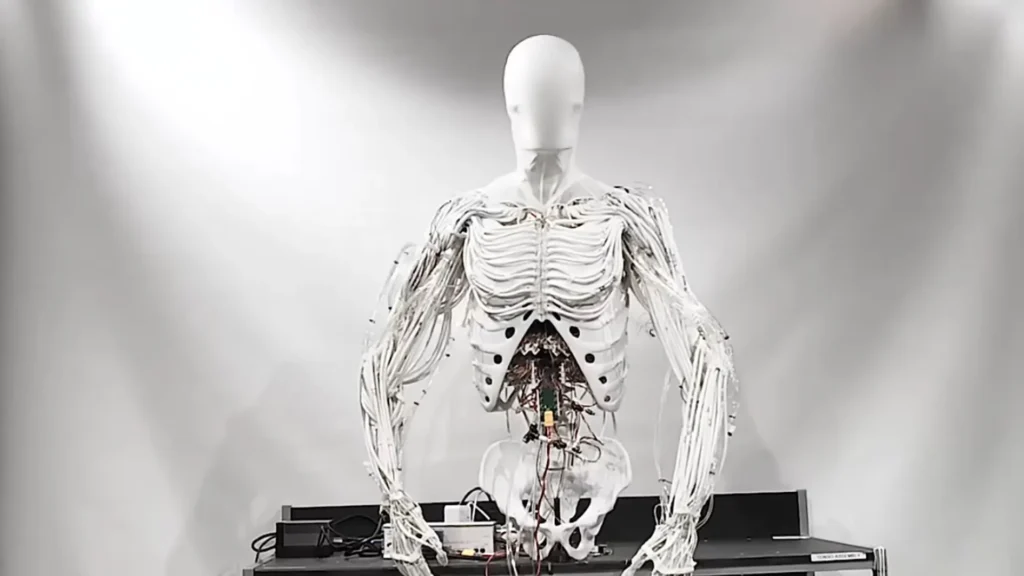
Robots that mimic natural patterns move better with less energy: a leap in robotic efficiency.

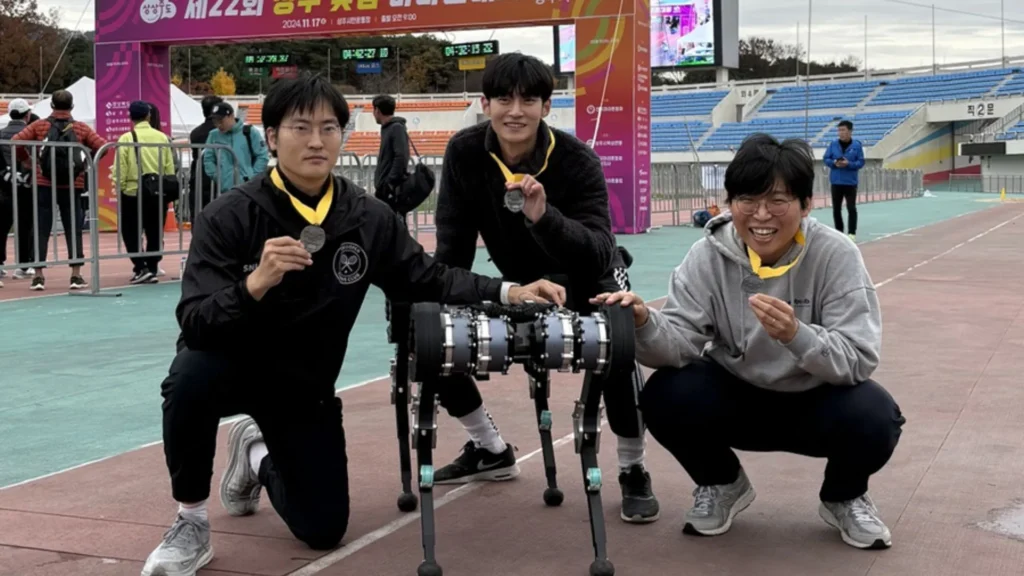
A quadruped robot masters a challenging marathon, marking a milestone in robotics engineering.

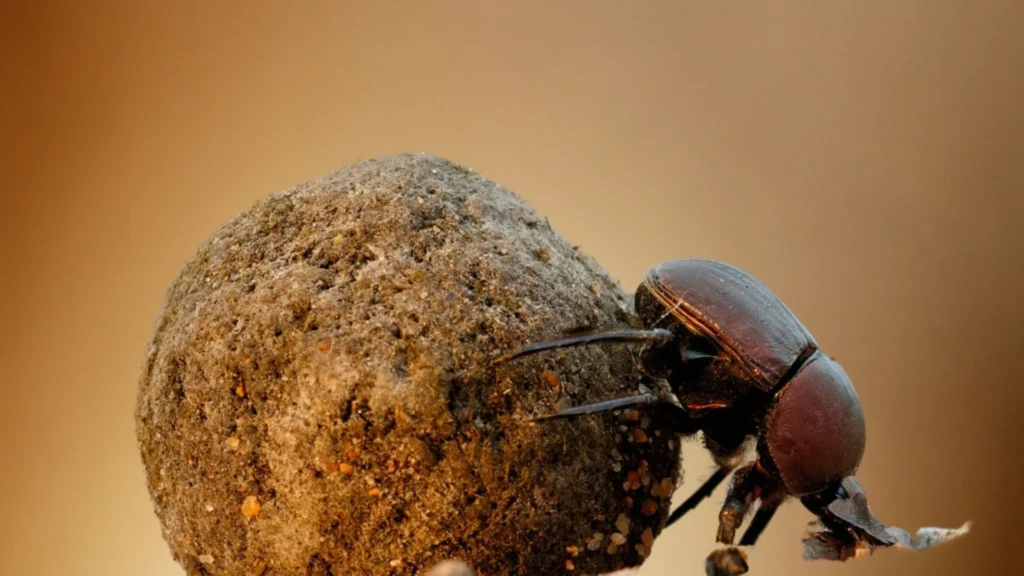
A bio-inspired robot challenges limits in object manipulation and mobility in complex environments.

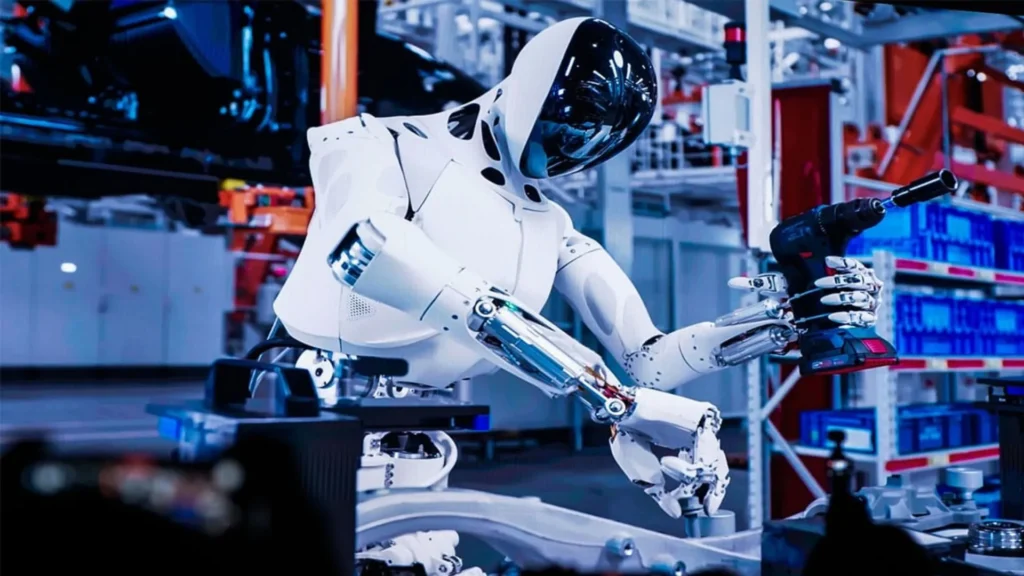
Iron assembles electric vehicles with precision, using its 60 joints and 40-core Turing chip.

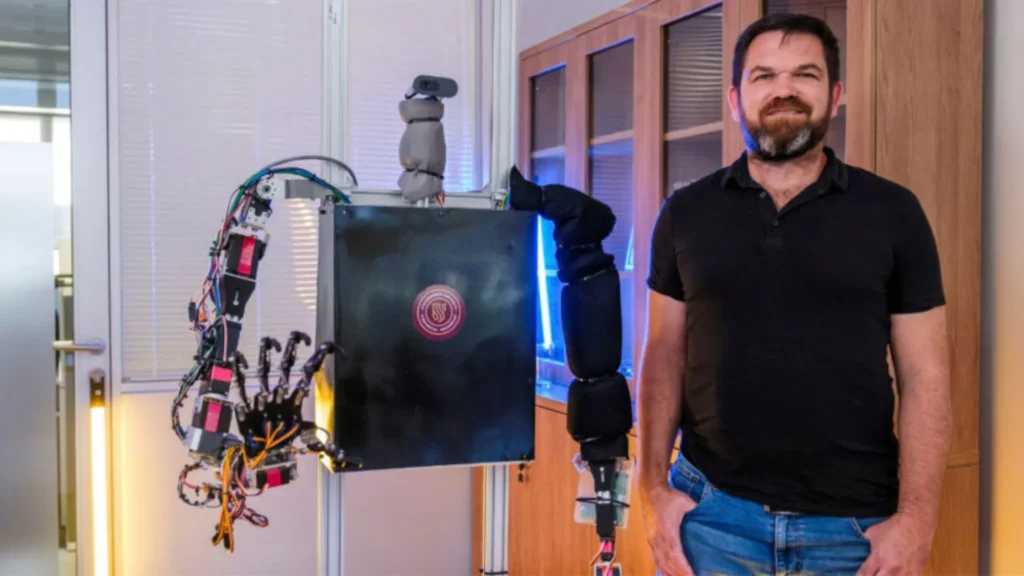
The robot features a webcam for vision tracking and advanced software.

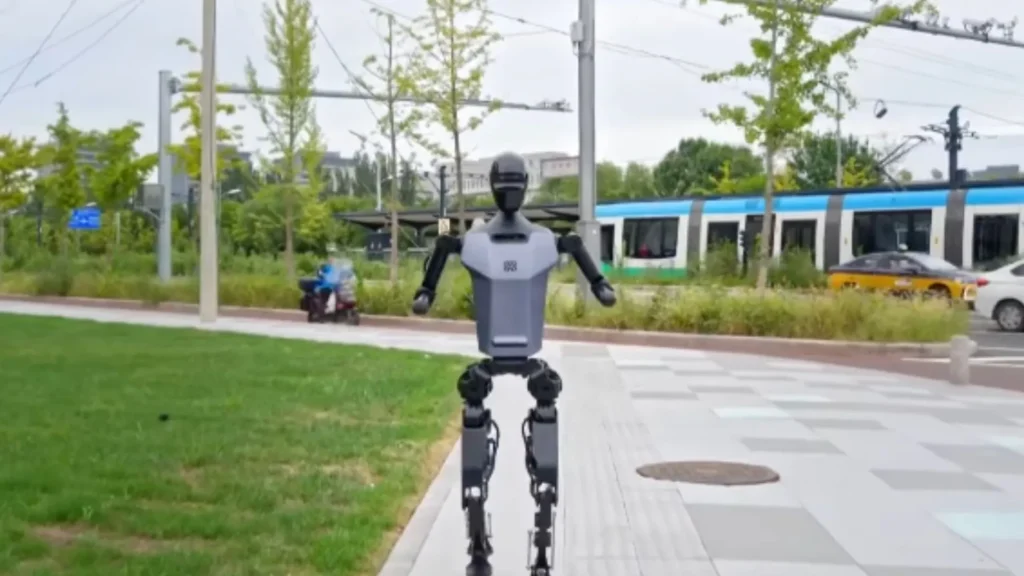
"Tiangong" is the world's first fully electric life-size humanoid robot.

The company's goal is to integrate its robots into assembly lines and other industrial sectors where handling needs to be more precise.