
News
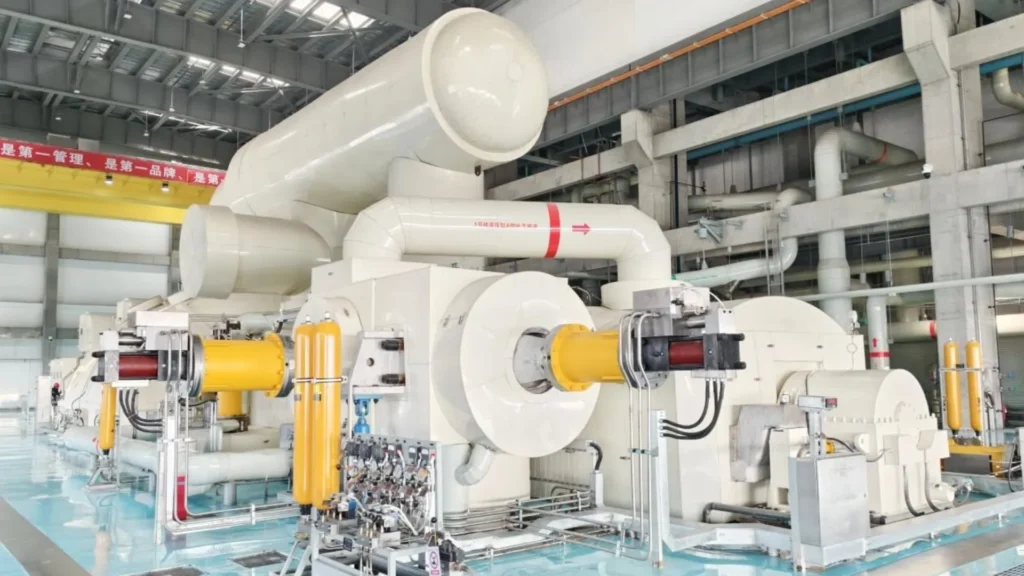
First 660 MW ultra-supercritical CFB power unit starts operations
The technical and operational efficiency of the project is due to the excellence of its components, designed by the company.
The technical and operational efficiency of the project is due to the excellence of its components, designed by the company.

The companies together have reaffirmed their commitment to sustainability by setting a goal of achieving net-zero emissions fleet operations by 2045.
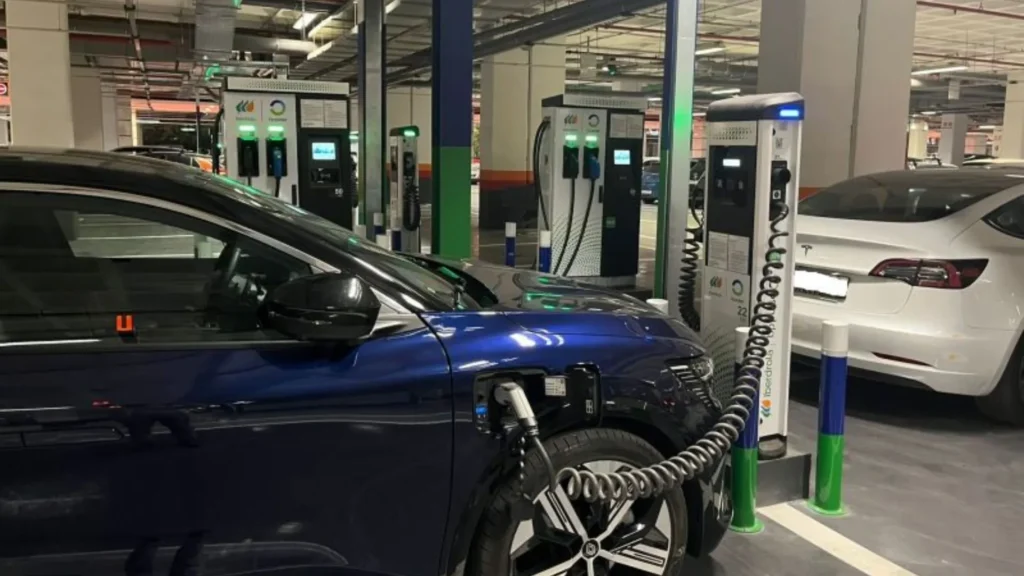
Iberdrola | bp pulse launches the largest electric vehicle charging station in Spain.
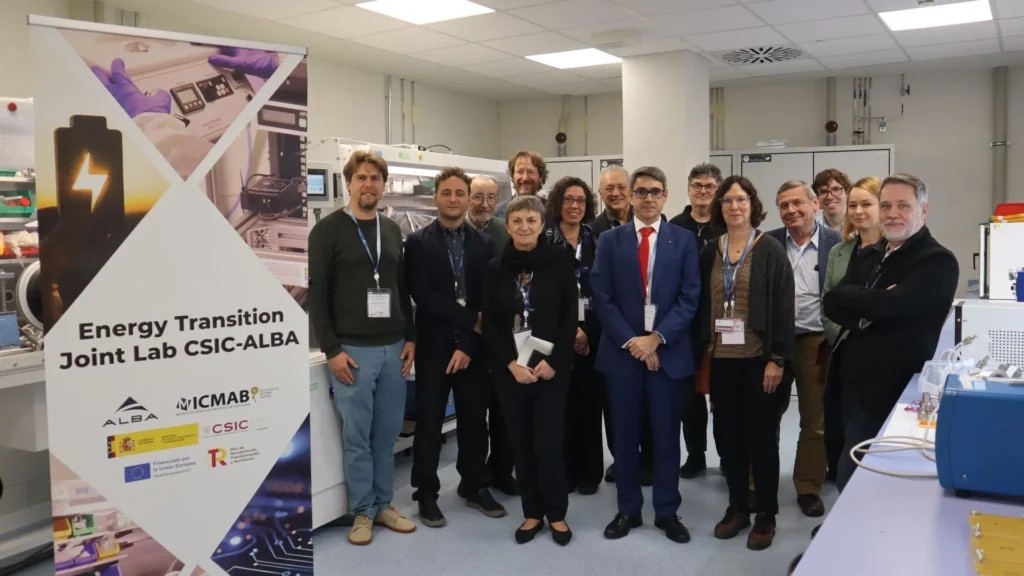
The new laboratory will allow batteries to be analysed under real conditions and situations during charge and discharge cycles.

The air service will be managed from Jacarepaguá Airport in Rio de Janeiro, using a diversified fleet of aircraft.
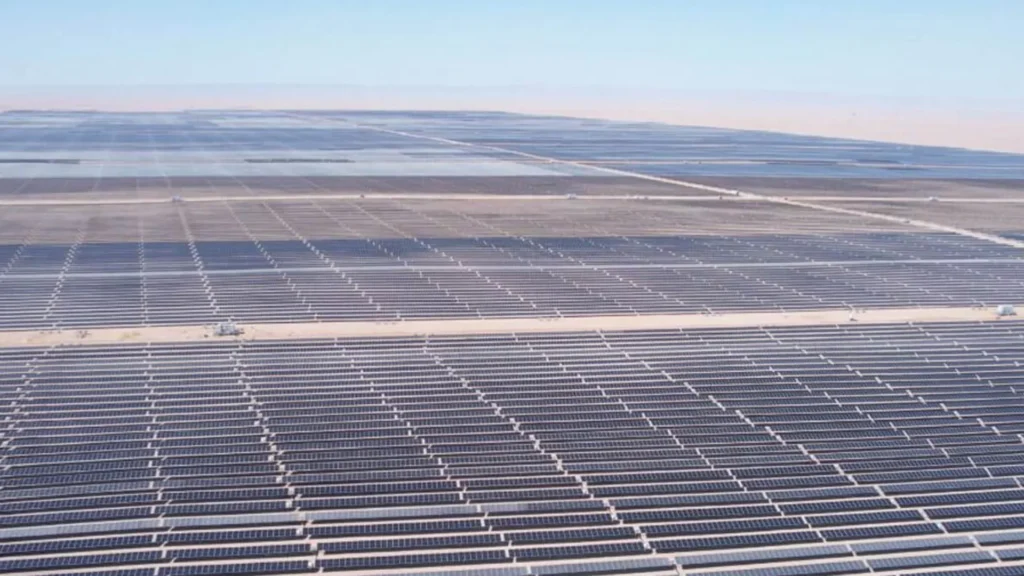
AMEA Power commissions 500 MW solar PV plant in Egypt.

With a capacity of 100,000 kW, the solar plant in Tibet significantly reduces energy shortages and carbon emissions.
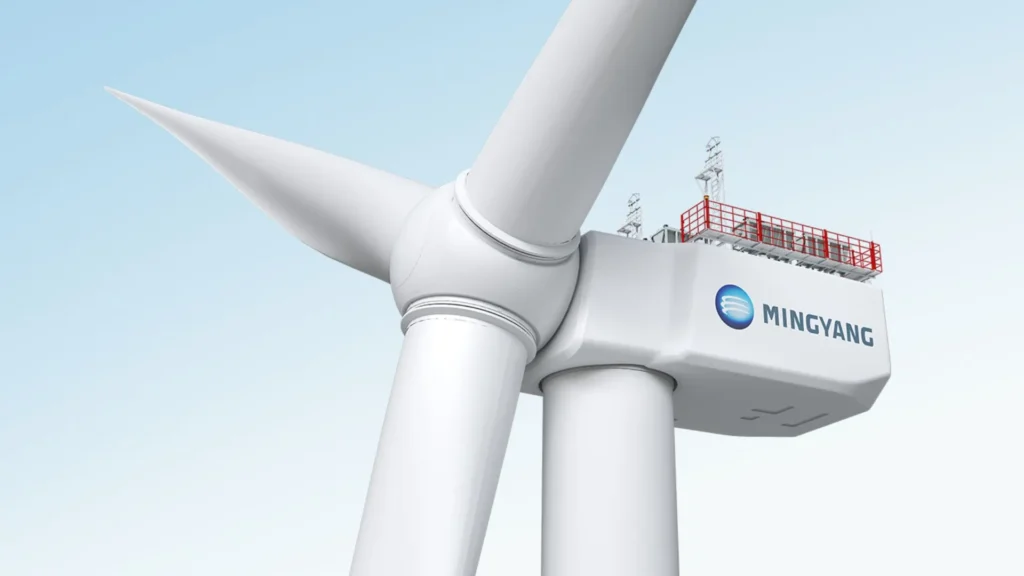
During a test in Hainan, Mingyang's wind turbine blades were damaged, but the overall system was not compromised.
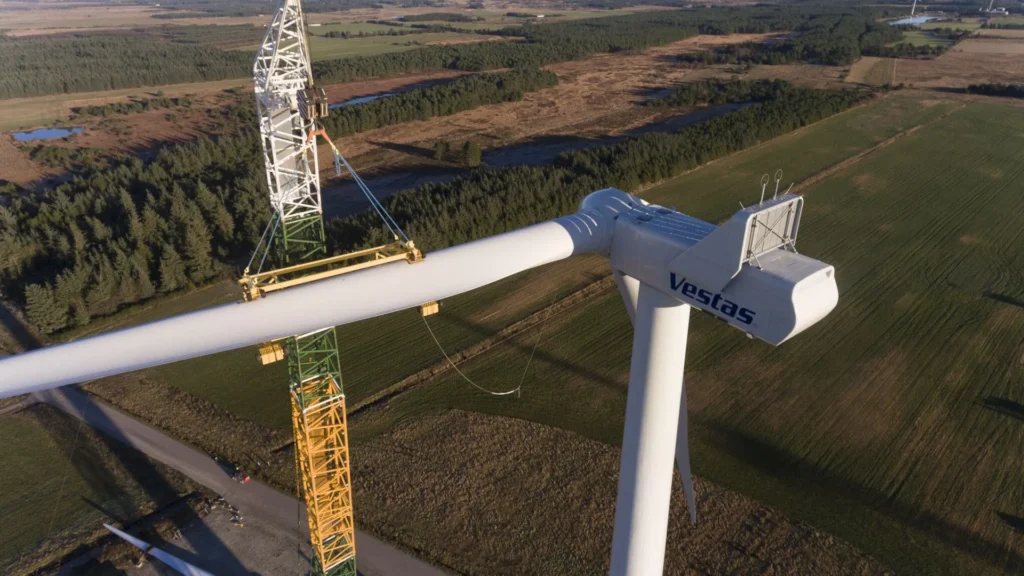
The company's energy and technology operations center on the island includes the design and development of multiple types of turbines and blades.
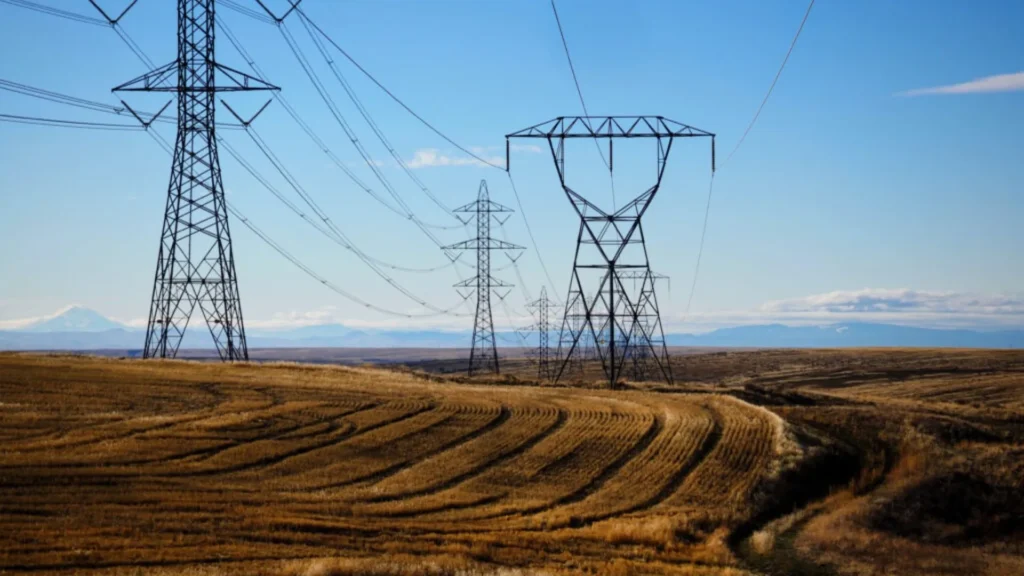
With the approval of the Sunstone Solar project, Oregon positions itself as a leader in clean energy.
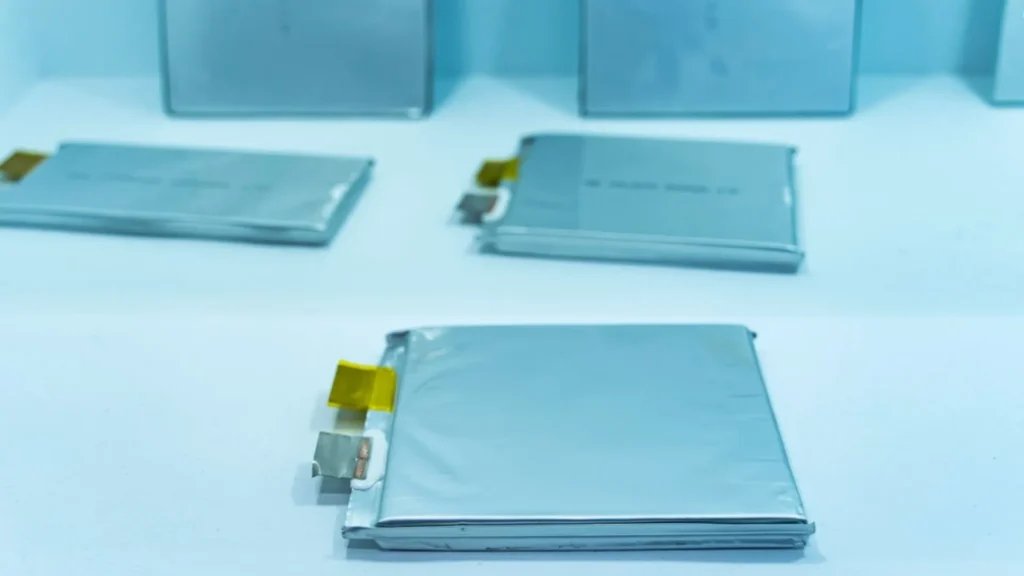
QuantumScape introduces Cobra, an innovation that optimizes solid-state battery manufacturing.
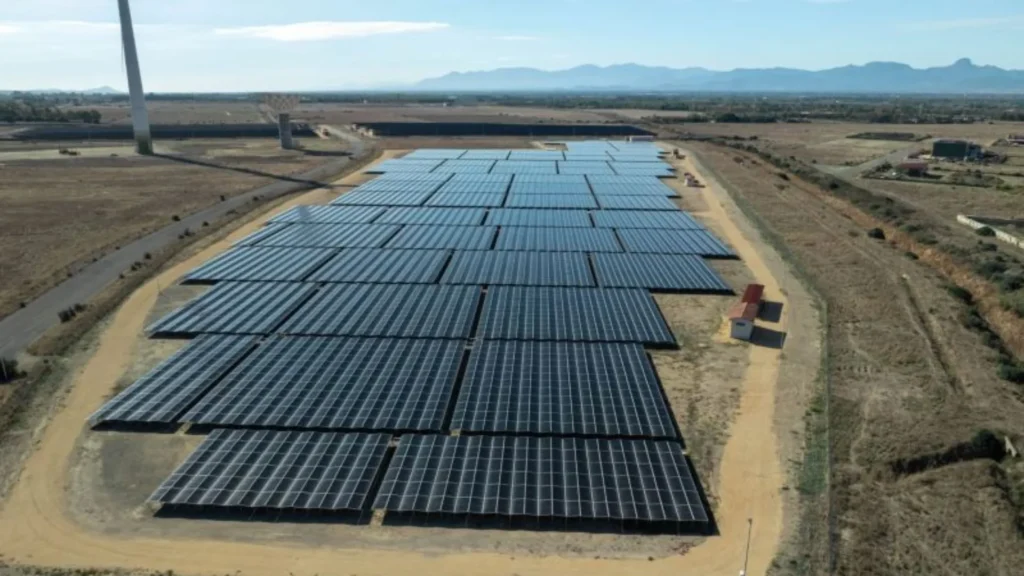
Qair starts operating its first photovoltaic solar park in Sardinia, generating 12.7 GWh per year and contributing to local sustainability.