
News
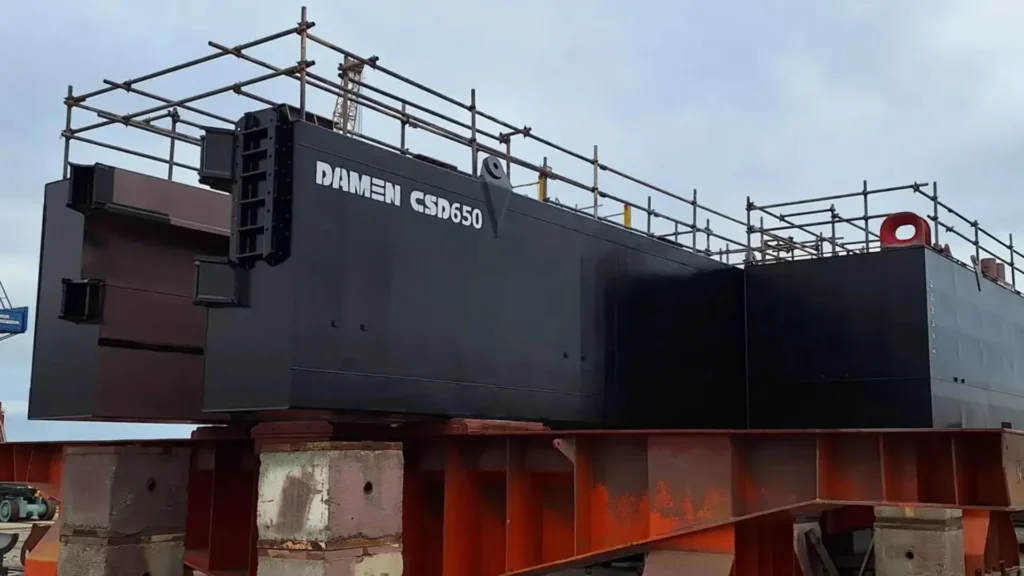
Baku Shipyard completes first Damen CSD 650 dredger in Azerbaijan
Historic construction: Damen leads the creation of a key dredger for the Port of Baku.
Historic construction: Damen leads the creation of a key dredger for the Port of Baku.
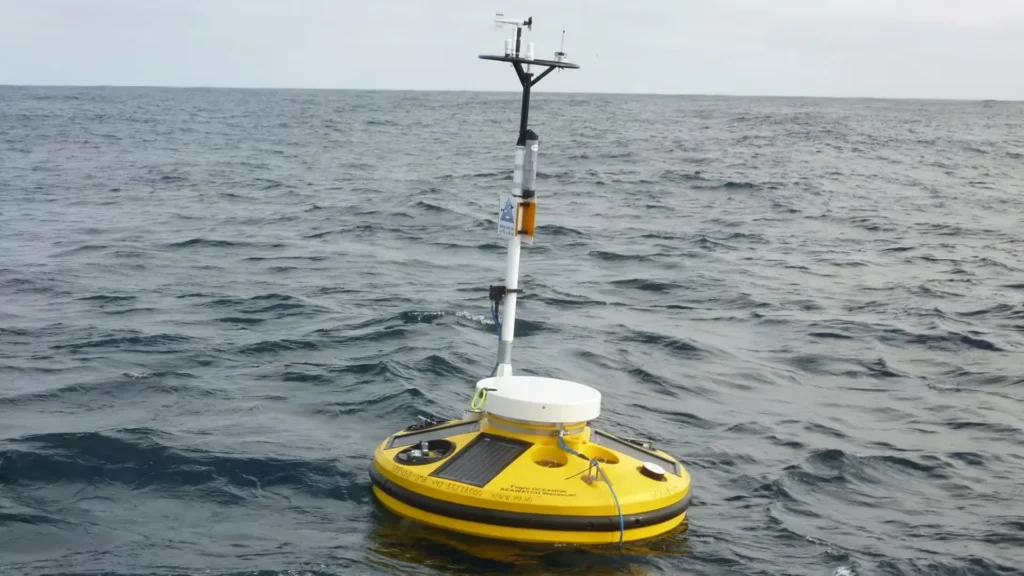
Fugro implements an advanced meteo-ocean network in Italy to protect marine ecosystems and contribute to the sustainability of the Mediterranean.
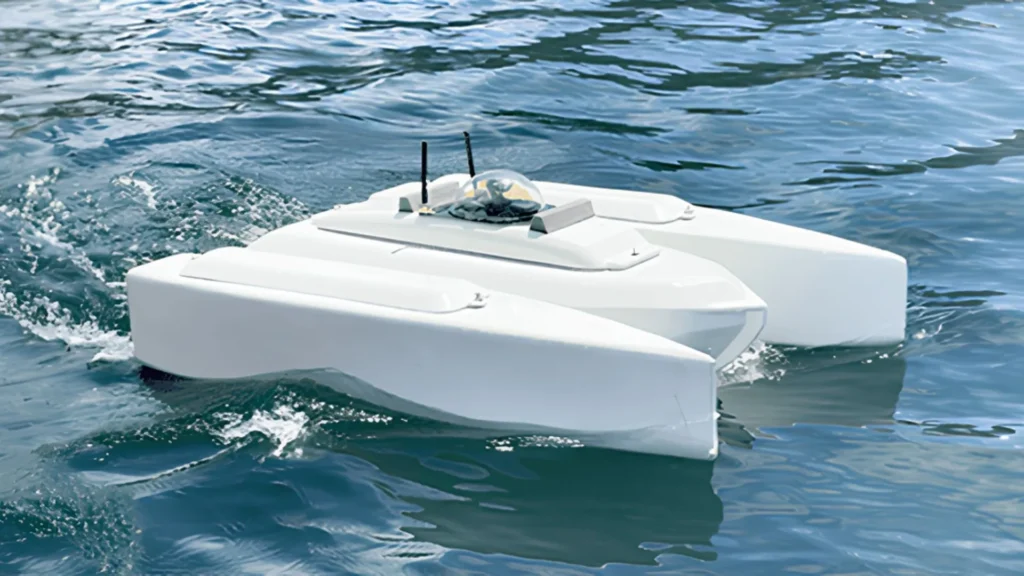
The boat can operate for an hour with just half a litre of water.
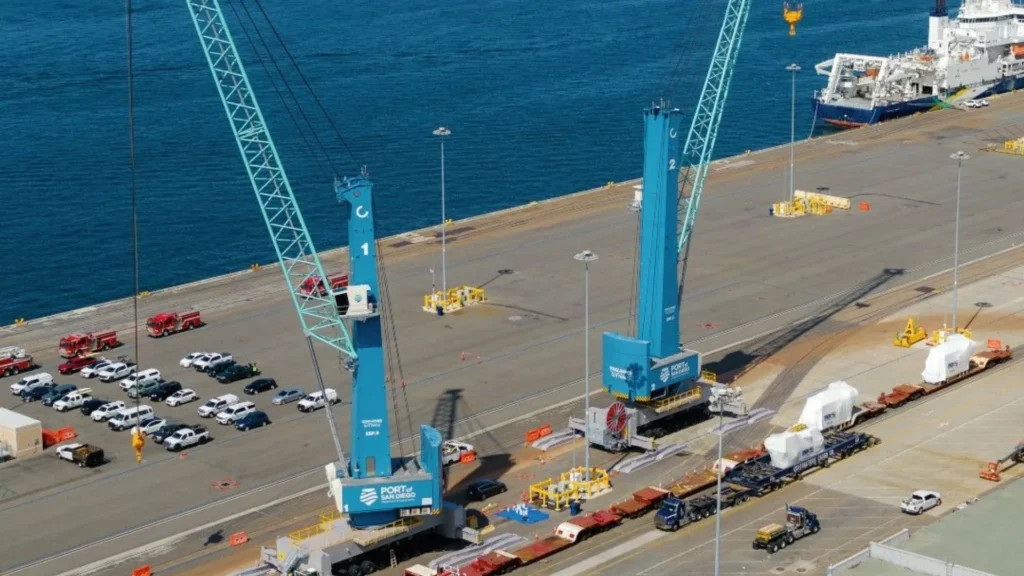
The collaboration seeks to improve the port in the environmental field, promoting public health and a sustainability model that can be replicated in other regions.
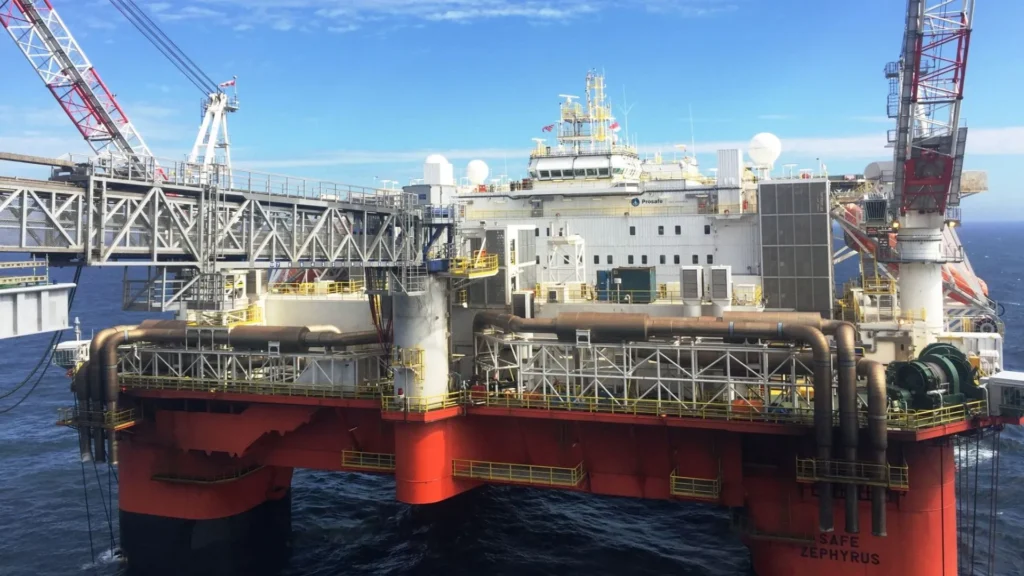
This agreement extends an initial commitment of 650 days, adding an additional 954 days to the operation in the Buzios field.
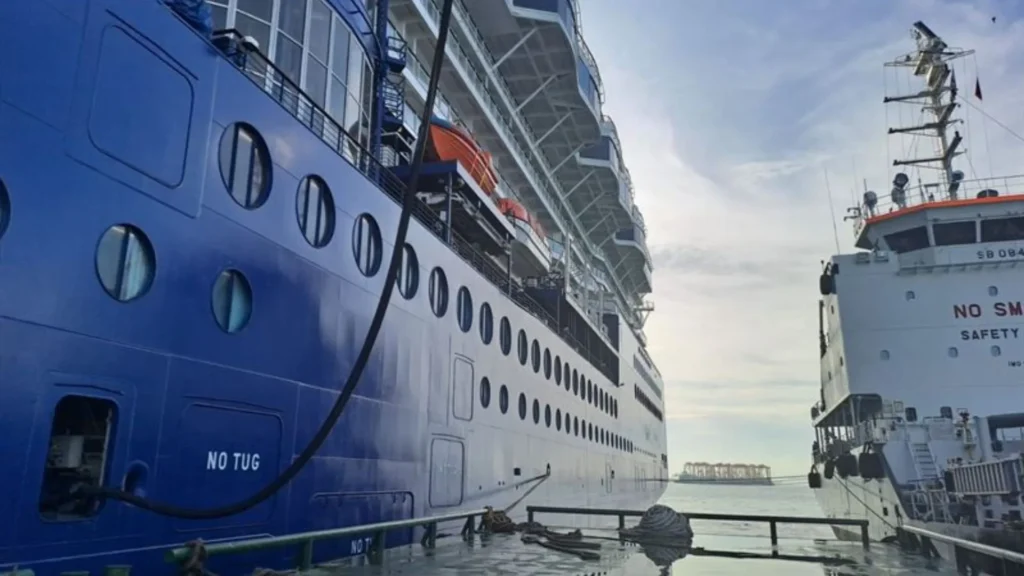
The Neste MY renewable diesel redefines maritime sustainability in Singapore, marking a step towards greener operations.

The operational return of the Dali is seen as a challenge for the maritime industry in terms of safety and prevention of future accidents.
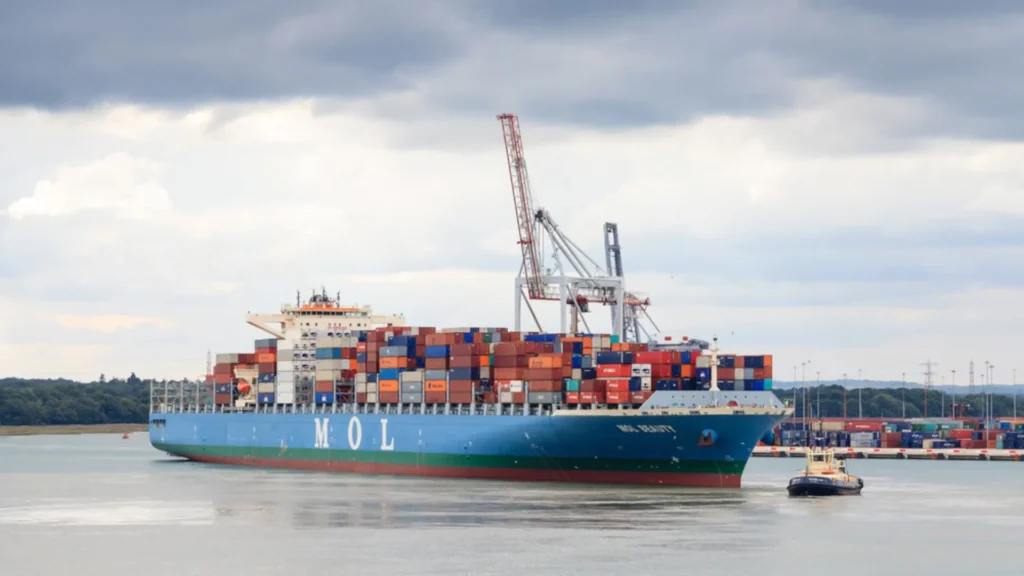
MOL leads maritime decarbonization with a green corridor that will connect Portugal and Europe.
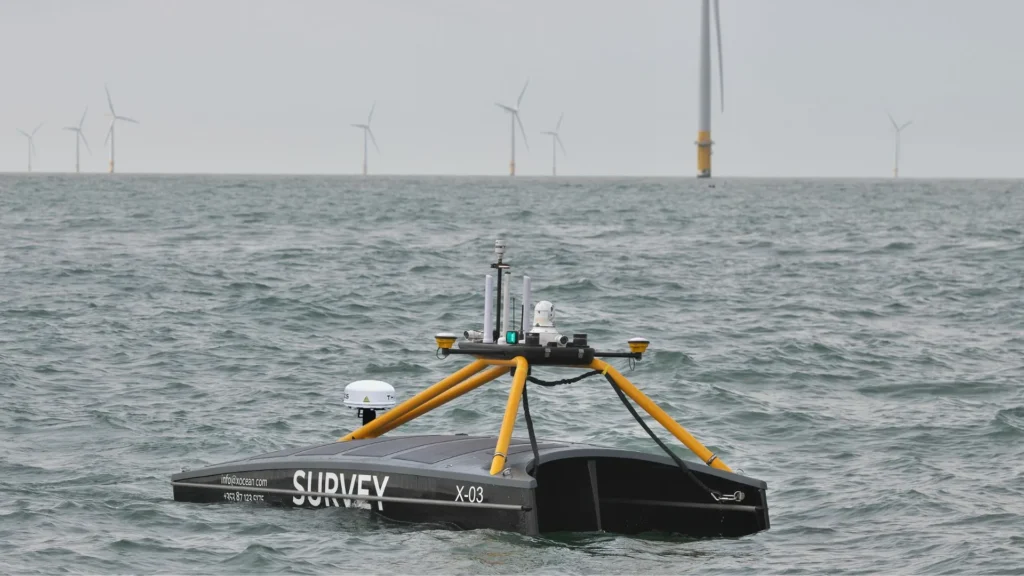
The company's unmanned surface vessels (USVs) generate only 0.1% of the carbon emissions produced by traditional manned vessels.
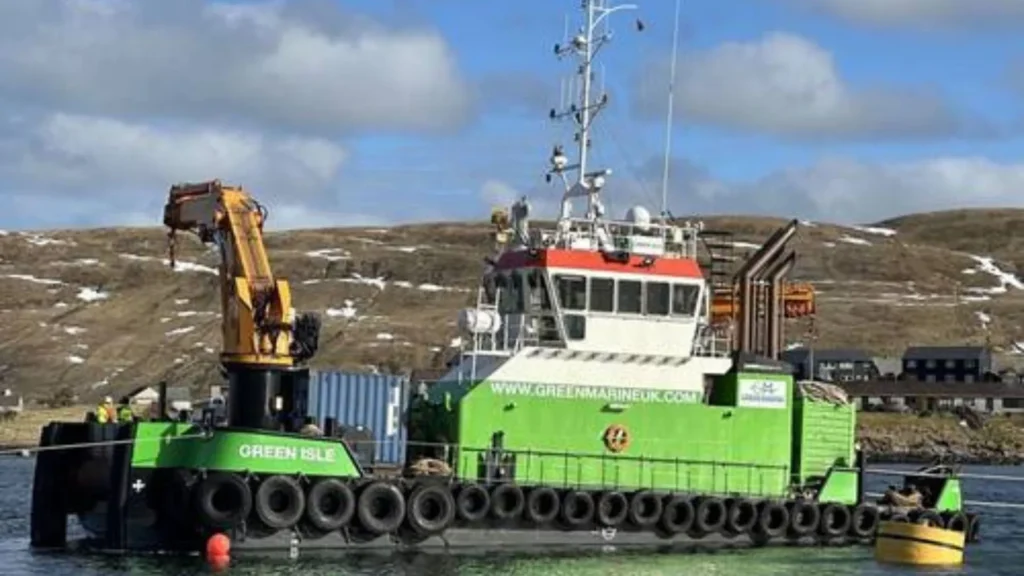
Green Marine UK and NOC deploy advanced underwater gliders to improve ocean and weather forecasting in the North Sea.
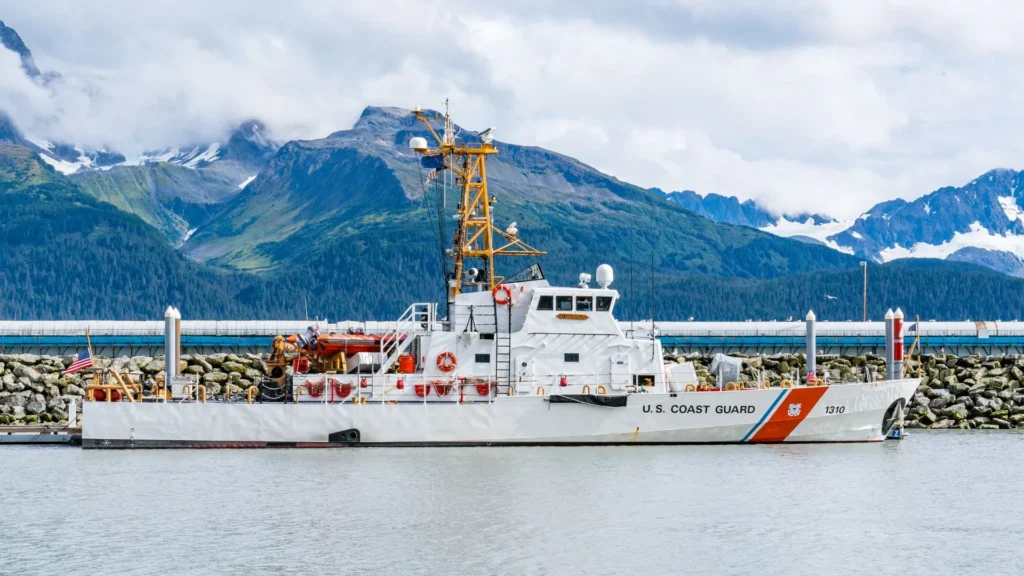
A Coast Guard team from Delaware Bay, along with representatives from the Algoma Verity, boarded the vessel to closely monitor the situation.
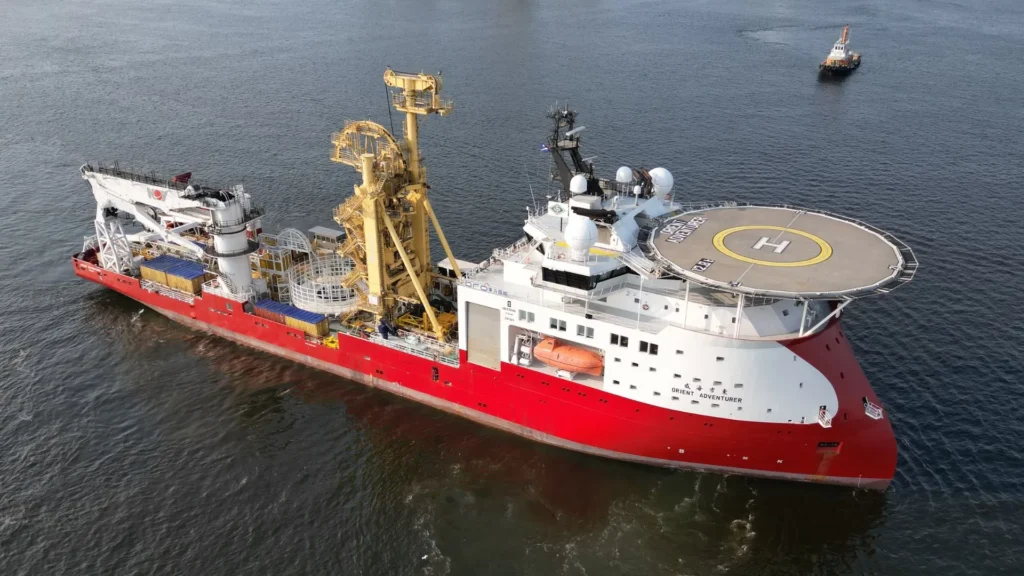
DeepOcean strengthens its subsea fleet with the Orient Adventurer, a high-capacity vessel that will boost its operations in the offshore sector.