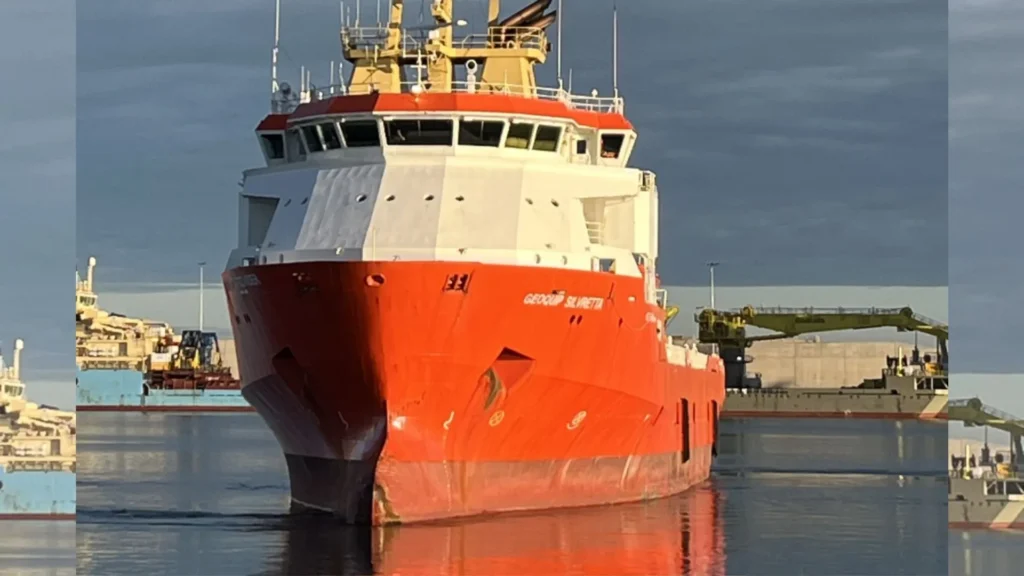
Clipper Eris: the first ship with onboard carbon capture prepares for pilot tests
Following successful pilot tests of the Clipper Eris, Solvang ASA plans to incorporate this technology into seven new vessels under construction.

Following successful pilot tests of the Clipper Eris, Solvang ASA plans to incorporate this technology into seven new vessels under construction.

Tests of the ME-LGIA two-stroke engine confirm its viability as a sustainable alternative in the maritime sector.

With this contract, the VLEC fleet managed by MOL will reach 12 units.

Companies are using this authorization as a first step towards commercializing sustainable floating energy solutions.

IINO LINES and J-POWER have demonstrated their commitment to reducing the carbon footprint in the maritime sector by opting for this cutting-edge technology.

With this initiative, the company reaffirms its commitment to eco-efficient and intelligent fleets, aligned with the objectives of decarbonizing maritime transport by 2030.

This is an important project for the Japanese offshore wind industry, allowing the installation of larger turbines and robust monopile foundations.

The ship's design, developed in collaboration with Seaplace and based on concepts from Longitude, integrates digitalisation and artificial intelligence tools.

This project demonstrates TotalEnergies' confidence in advanced solutions for its offshore operations, enhancing the modernisation of maritime transport in Africa.

The company has worked with major classification societies and shipyards to ensure that the engine design meets the highest safety standards.

The contract will also establish the UK as a leader in nuclear defence technology by creating 1,000 new direct jobs and supporting more than 4,000 existing…

This launch positions Klaipėda as a benchmark in the development of a greener port ecosystem.