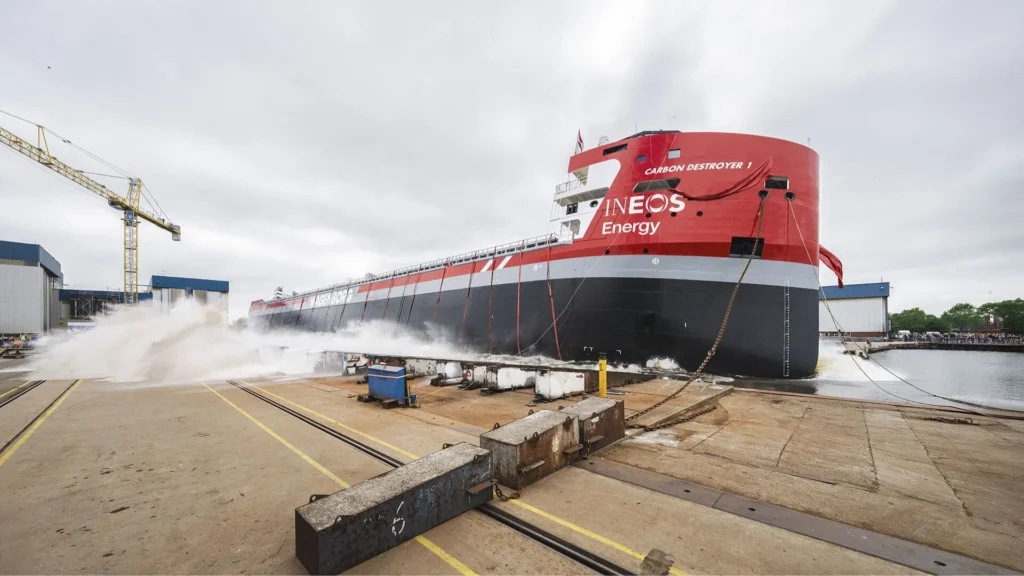
INEOS and Wagenborg launch Europe’s first vessel to transport CO₂ on the high seas.
The new vessel will facilitate the continuous transport of CO2 from onshore terminals to certified subsea depots in the North Sea.
The new vessel will facilitate the continuous transport of CO2 from onshore terminals to certified subsea depots in the North Sea.
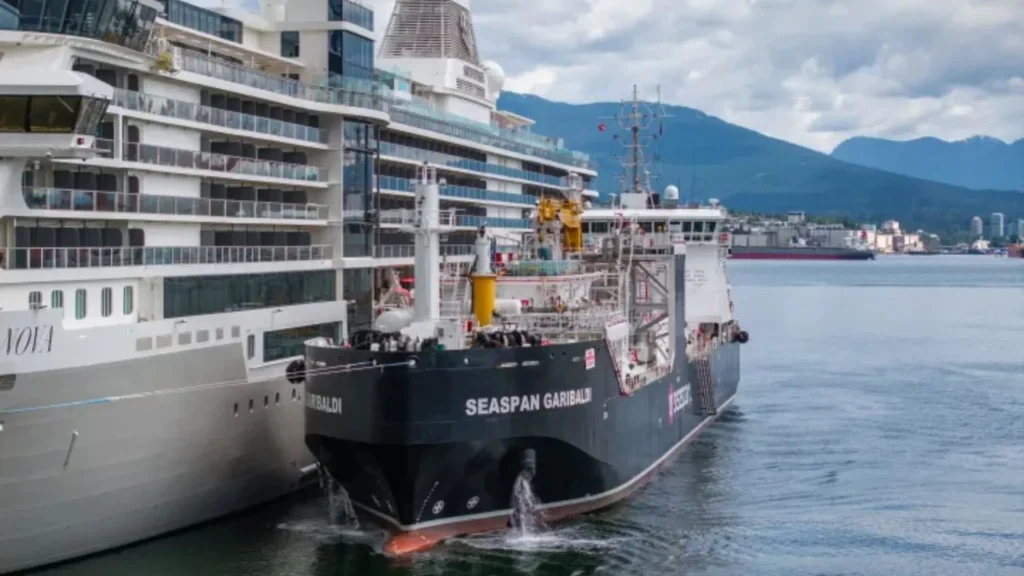
With more than 300 cruise ship calls expected by 2025, an injection of approximately $900 million is expected into Vancouver's economy.

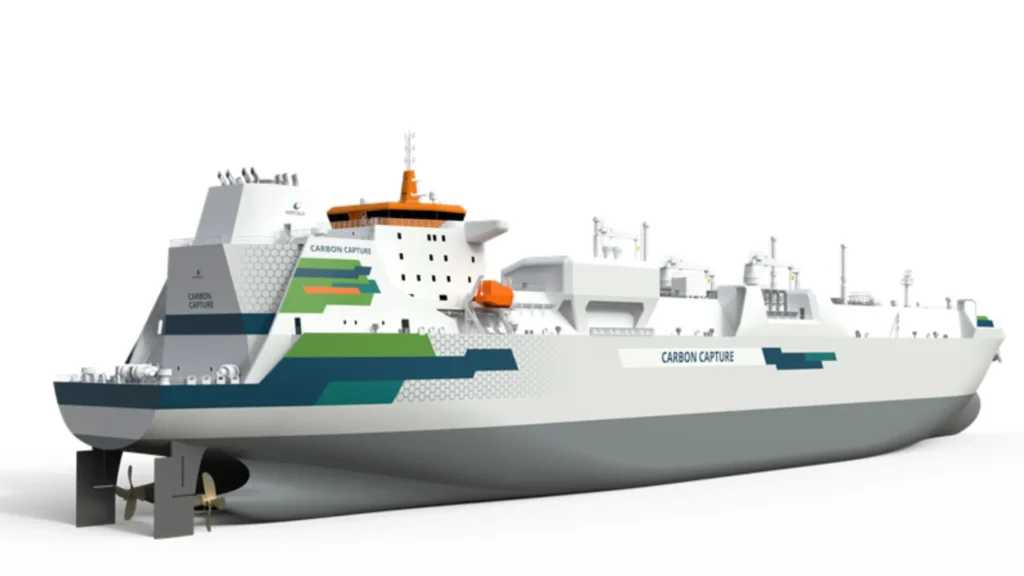
By employing these technologies, the ship can reduce its carbon footprint, contributing to the international goals of decarbonization of shipping.

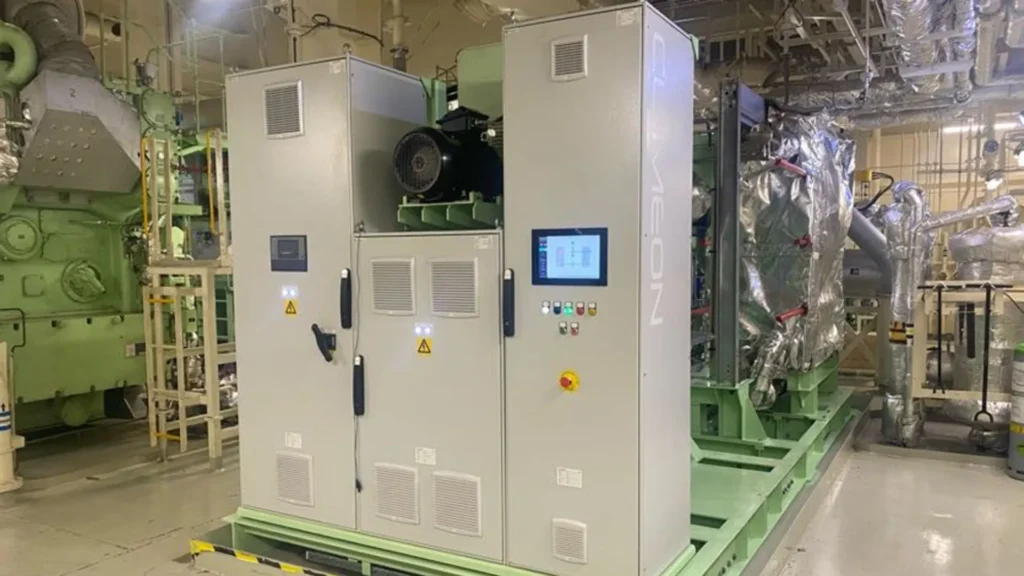
The system can generate electricity from engine cooling water, a thermal source traditionally considered unusable.

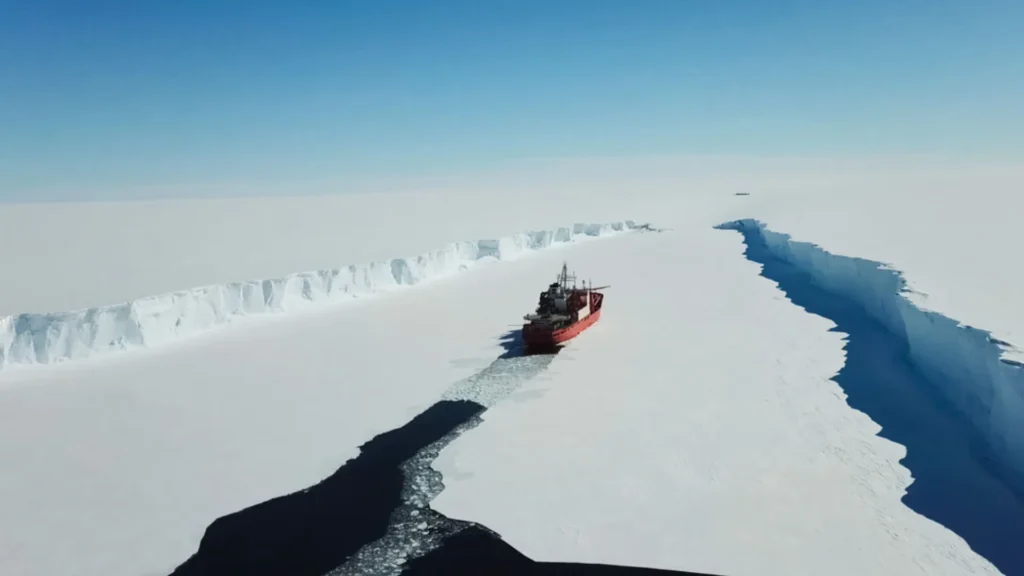
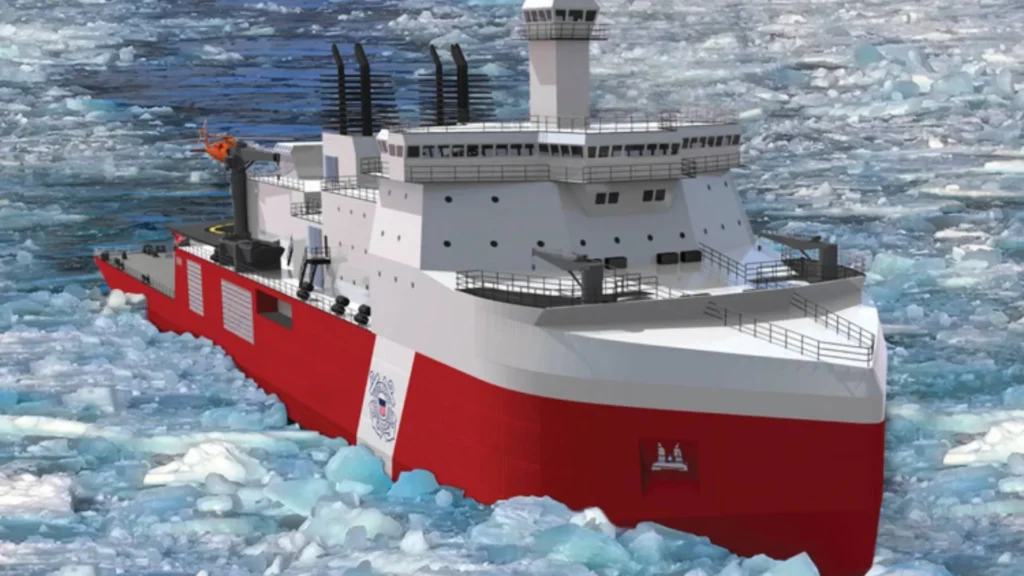
The icebreaker will explore an unprecedented combined propulsion configuration with shaft lines aft and azimuthal propulsion forward.

A logistical boost to West Africa with a transport solution with 84% lower CO2 emissions.

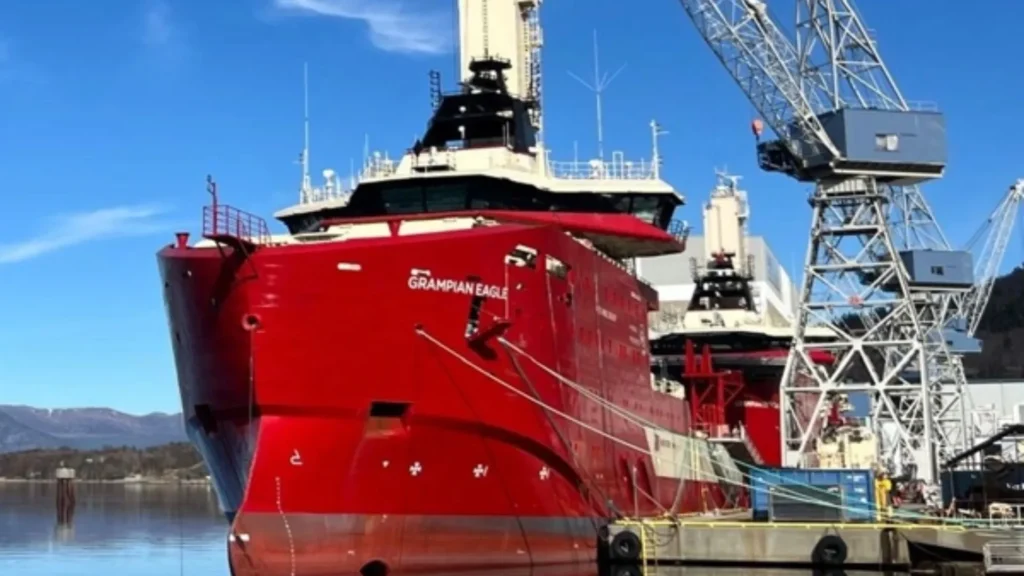
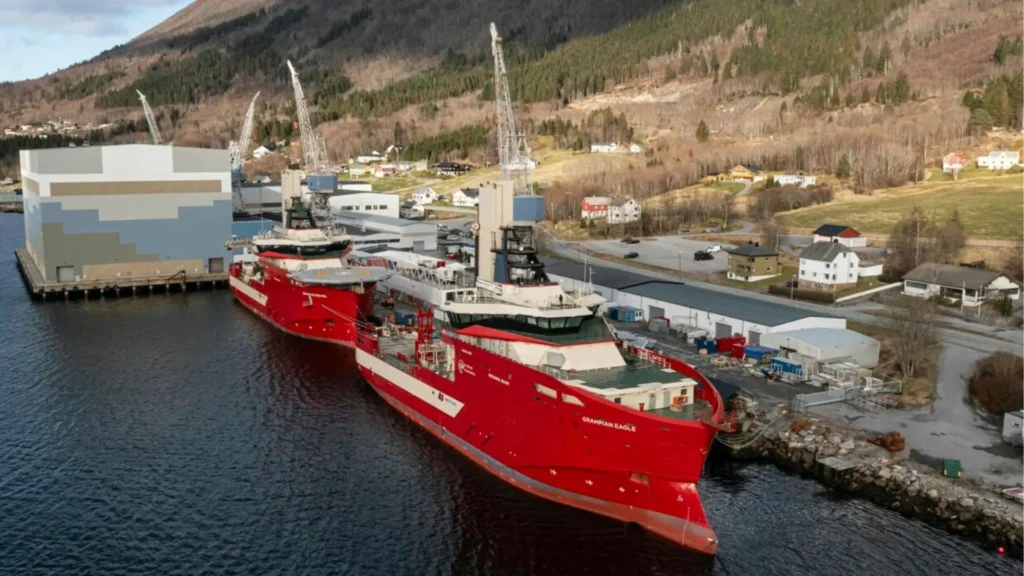
Grampian Kestrel is the world's first CSOV with certified cyber resilience.

Wärtsilä's technology captured 10 tons of CO₂ per day in tests aboard the Clipper Eris.

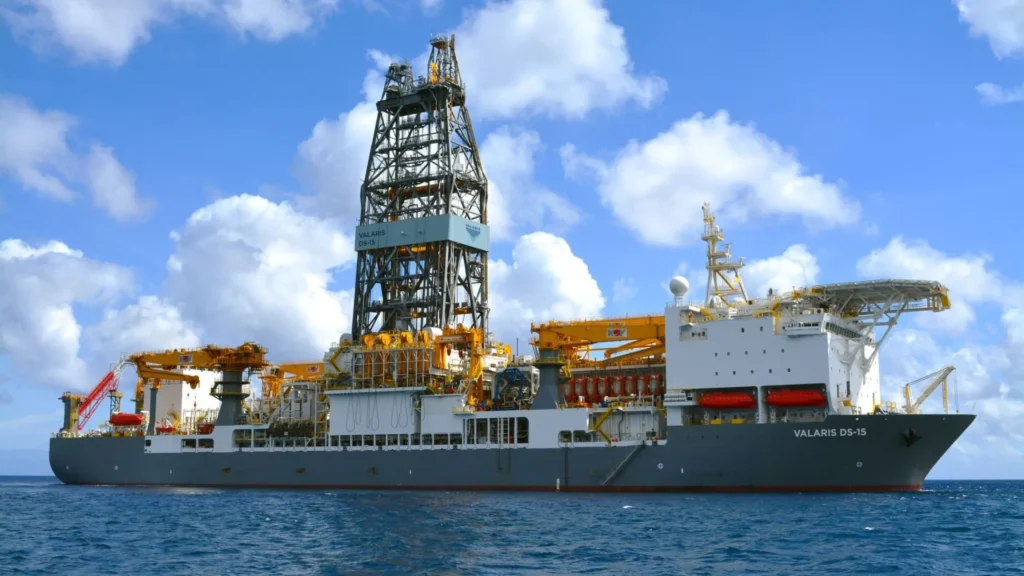
The contract includes closed conditions to extend operations with five additional wells, anticipating future demand without renegotiations.

North Star has committed to operate a fleet of 40 offshore wind vessels by 2040, backed by more than €400 million in investment.

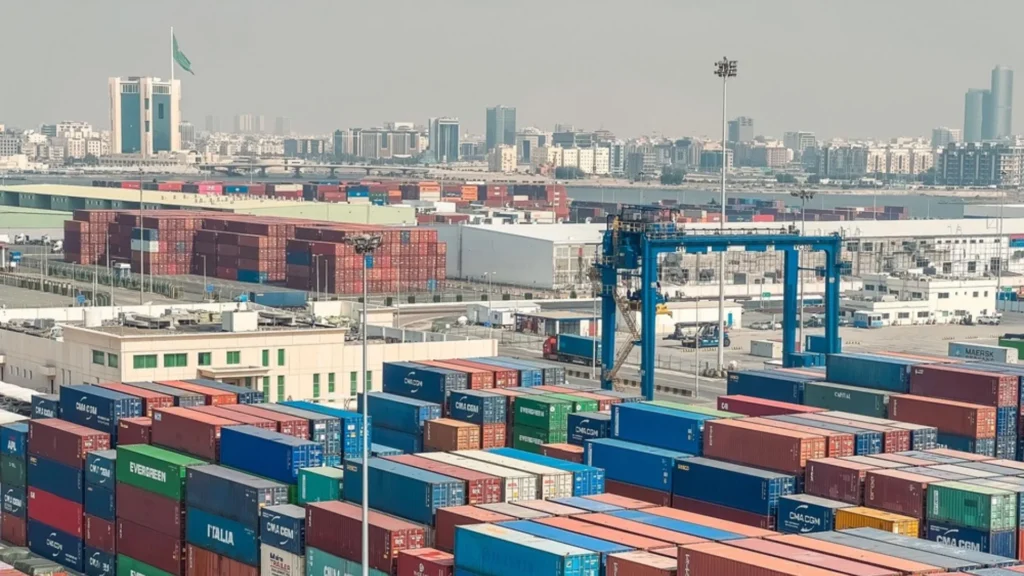
New riverboats support $5.4 billion in annual trade.

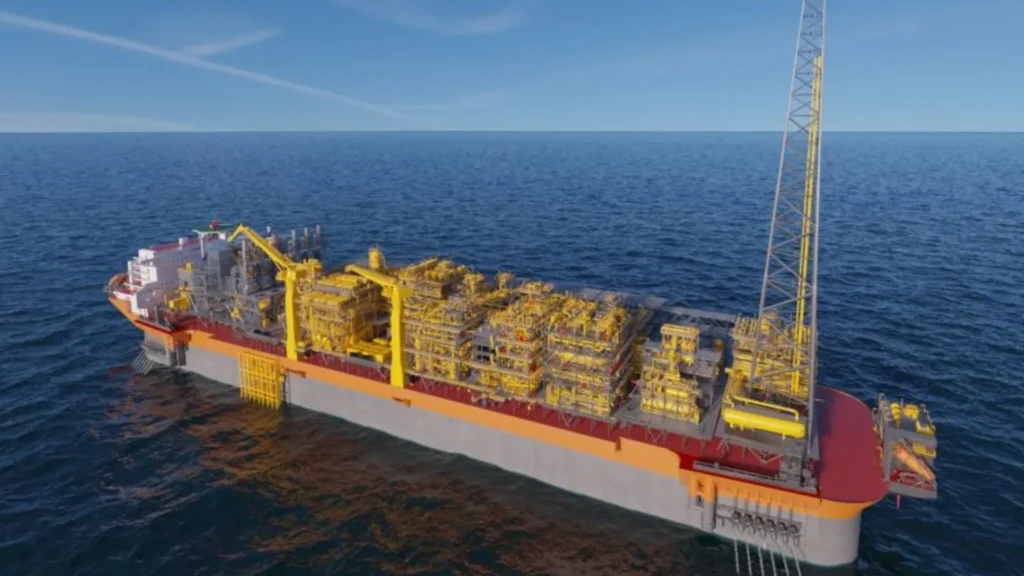
The NearZero design integrates technologies that can reduce greenhouse gas emissions in offshore projects by up to 80%.