
News
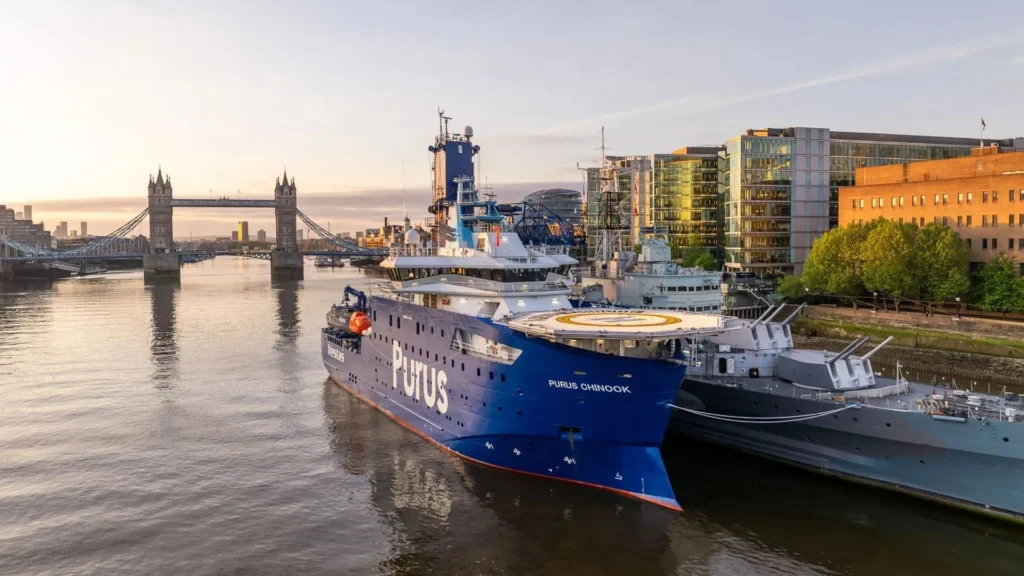
Purus Chinook begins operations as new offshore fleet mainstay
Equipped with an electric gateway and methanol-ready, the Purus Chinook CSOV optimizes emission-free operations in wind farms.
Equipped with an electric gateway and methanol-ready, the Purus Chinook CSOV optimizes emission-free operations in wind farms.
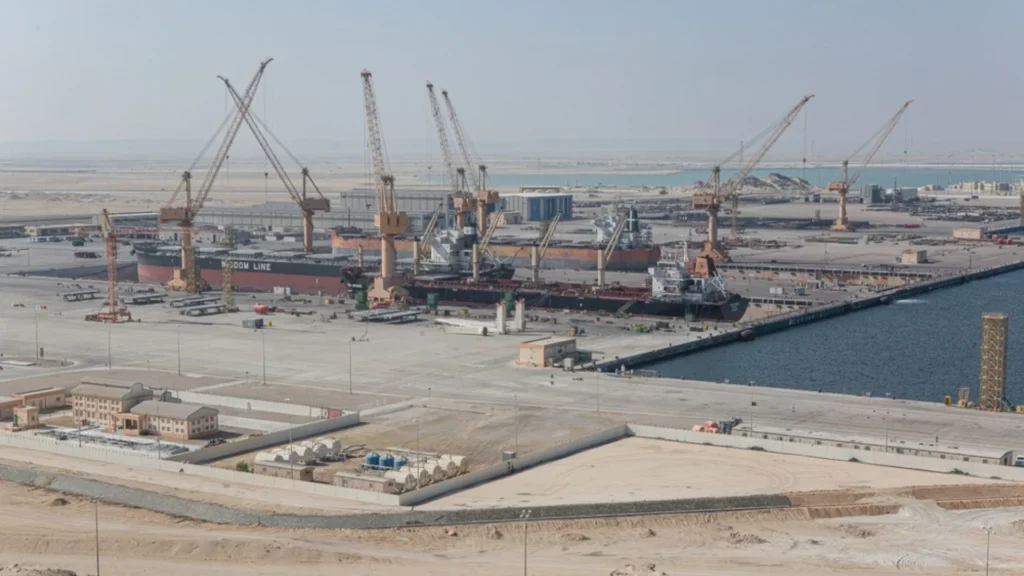
The expansion of the port will improve services and capabilities to handle general cargo, containers, dry and liquid bulk.
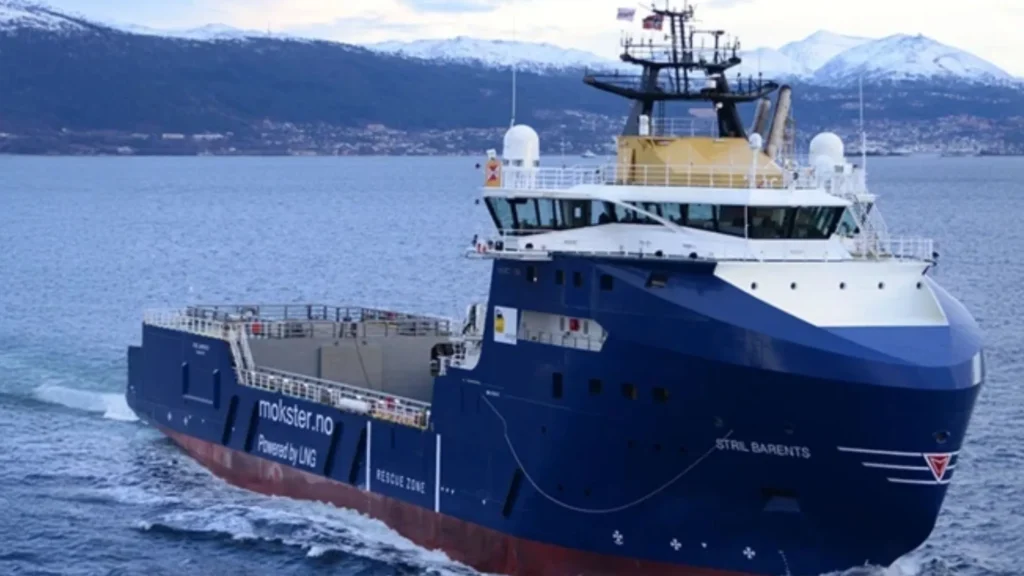
Møkster distributes Starlink Internet among its vessels according to operational demand and location.
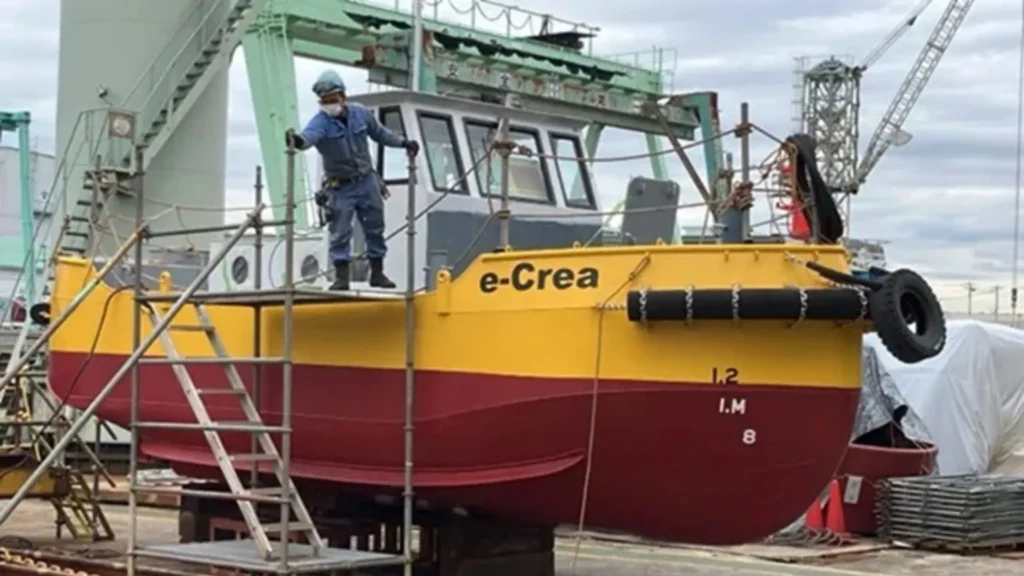
Its 9-meter hull facilitates navigation in confined spaces, while its electrical system allows continuous operations with high energy efficiency.
The company has established a solid operational base with offices in major cities and a network of maritime services.
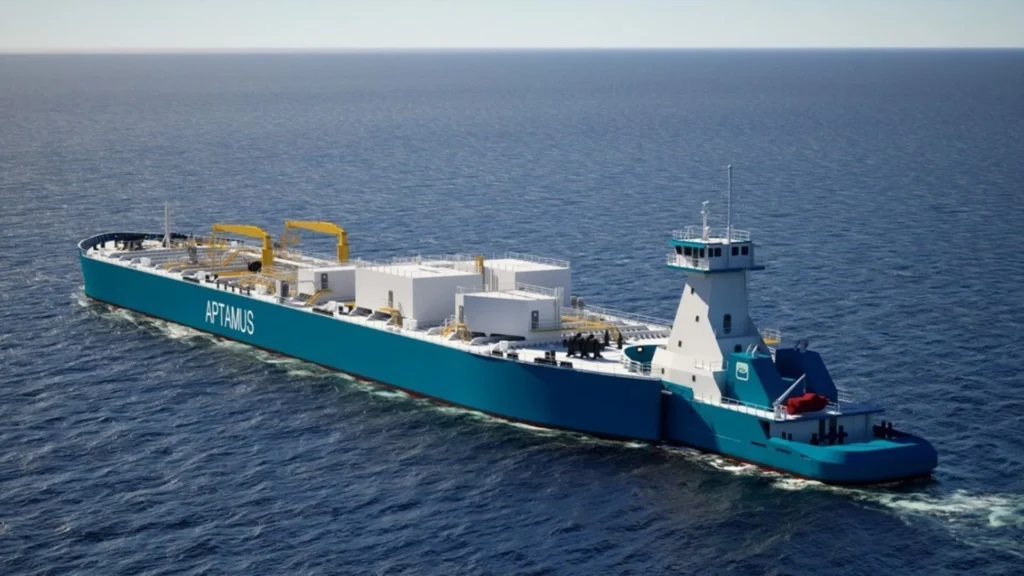
The new ATB LCO2 will connect emitters in Florida with storage in Louisiana using medium pressure technology and green methanol.
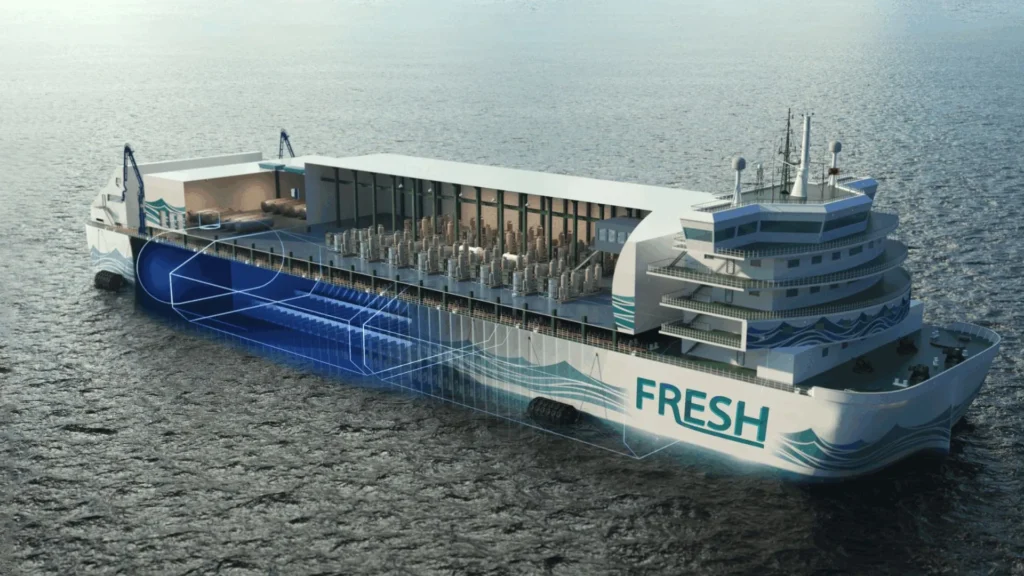
The partnership focuses on converting ammonia into clean hydrogen from an efficient and adaptable floating terminal based on port demand.
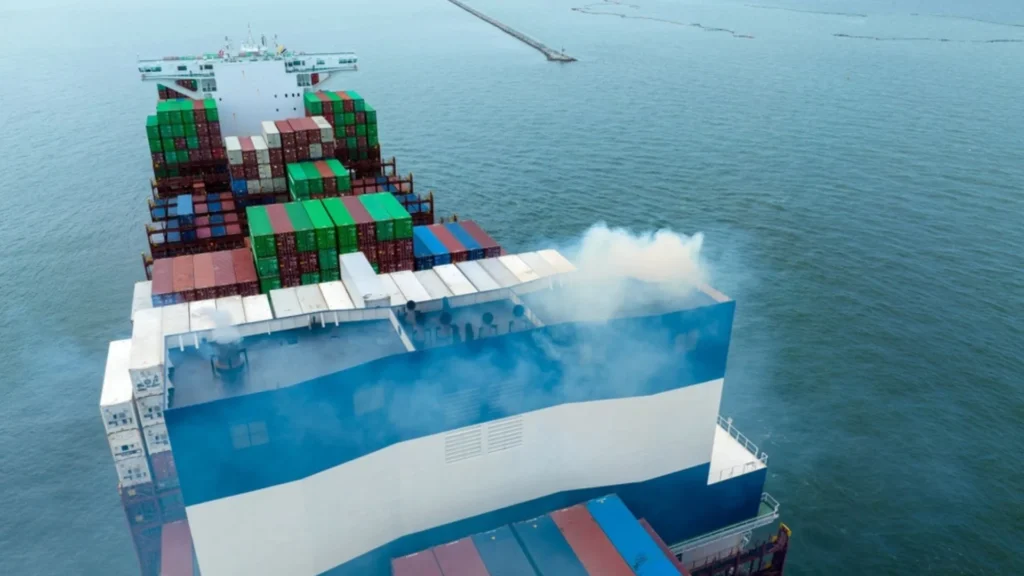
Microsoft will offset nearly 10,000 tons of CO2e over three years through certified marine biofuel.
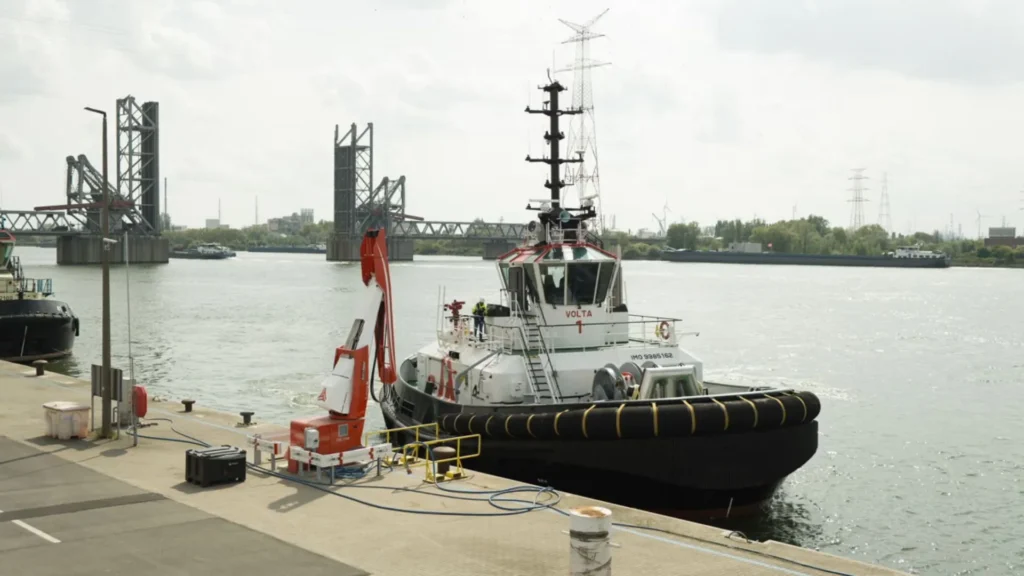
The Volta 1 can sail for 12 hours with only 2 hours of charging thanks to 2.782 MWh LTO batteries.
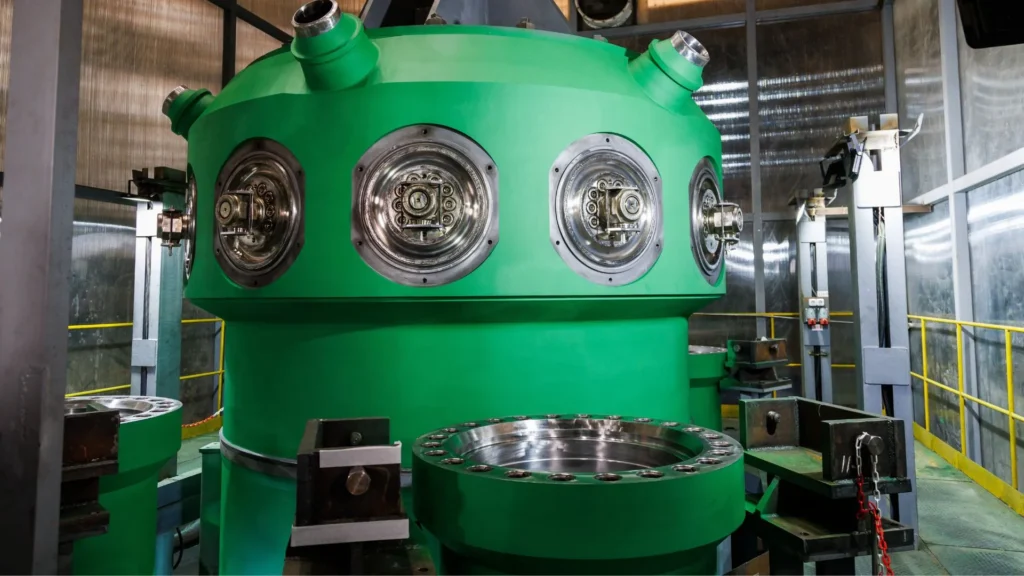
The Rossiya icebreaker will be able to penetrate ice sheets up to 4.3 meters thick thanks to its two RITM-400 nuclear reactors.
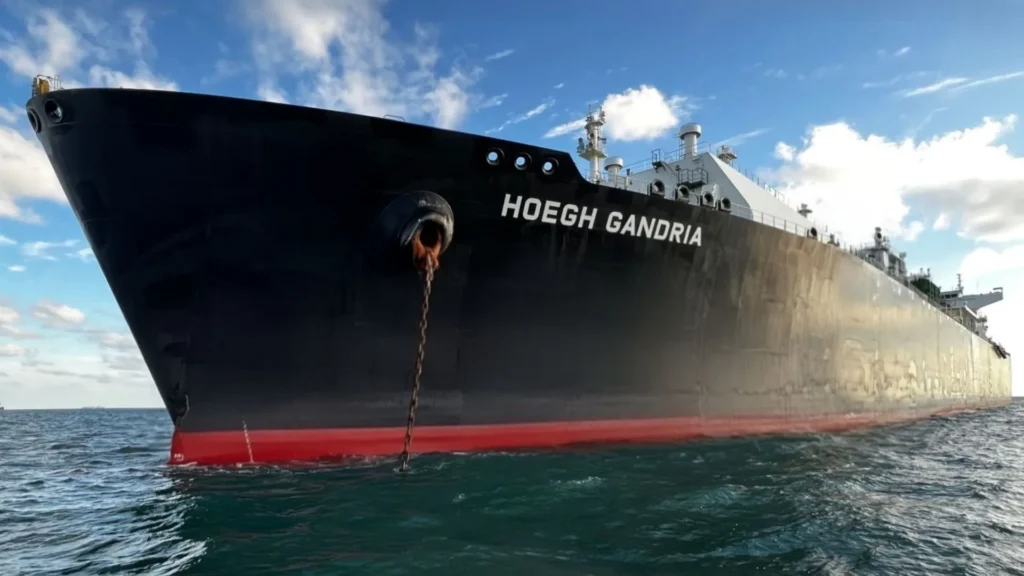
The company has the capacity to execute these types of complex developments and meet the highest standards of safety and operational efficiency.
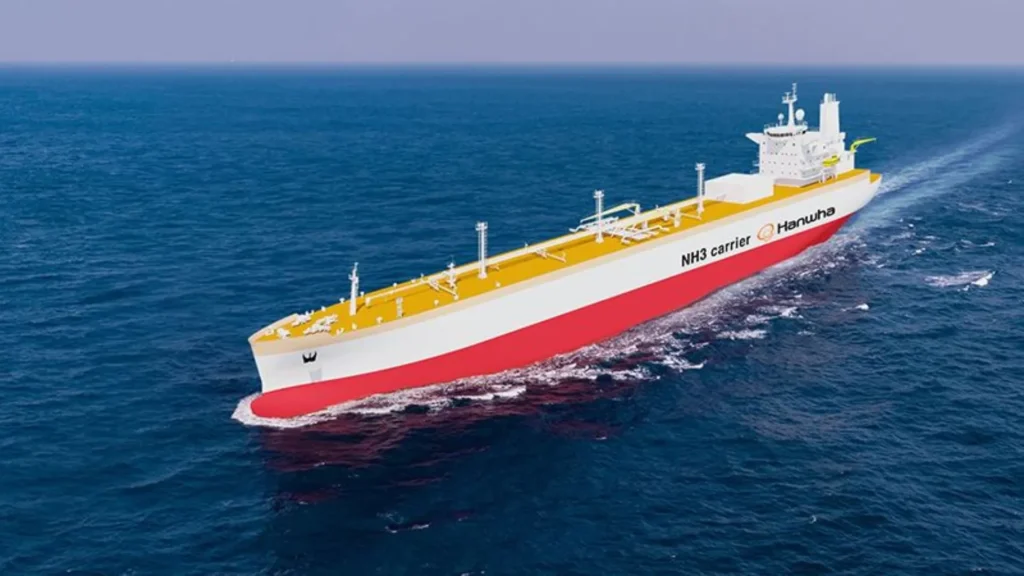
Each Korean VLAC will have the capacity to transport 88,000 m³ of ammonia, which requires specially reinforced tanks and hulls.