
News
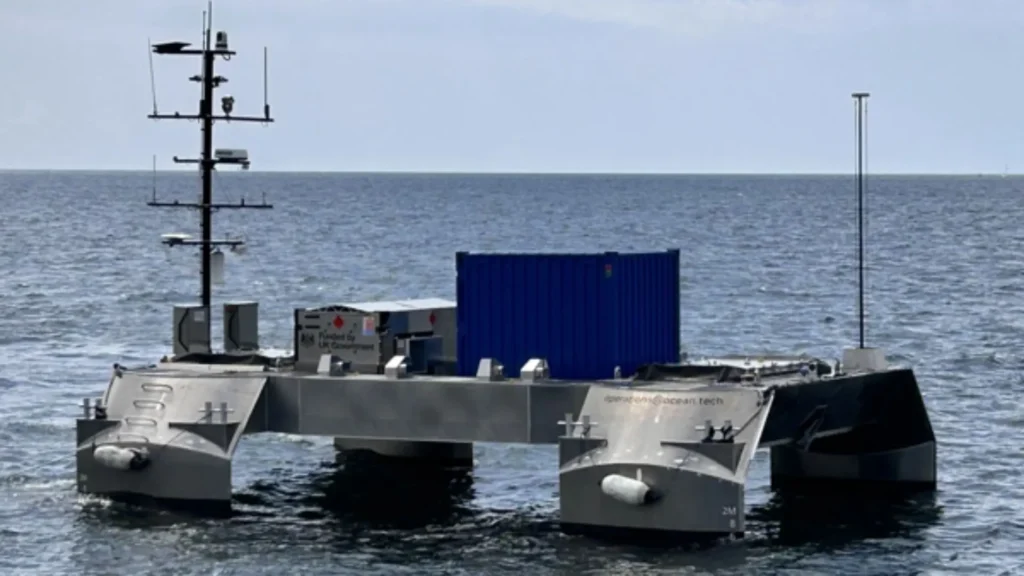
UK issues first certification for remotely operated drone ship
It is the first officially certified unmanned and remotely operated vessel in the United Kingdom.
It is the first officially certified unmanned and remotely operated vessel in the United Kingdom.
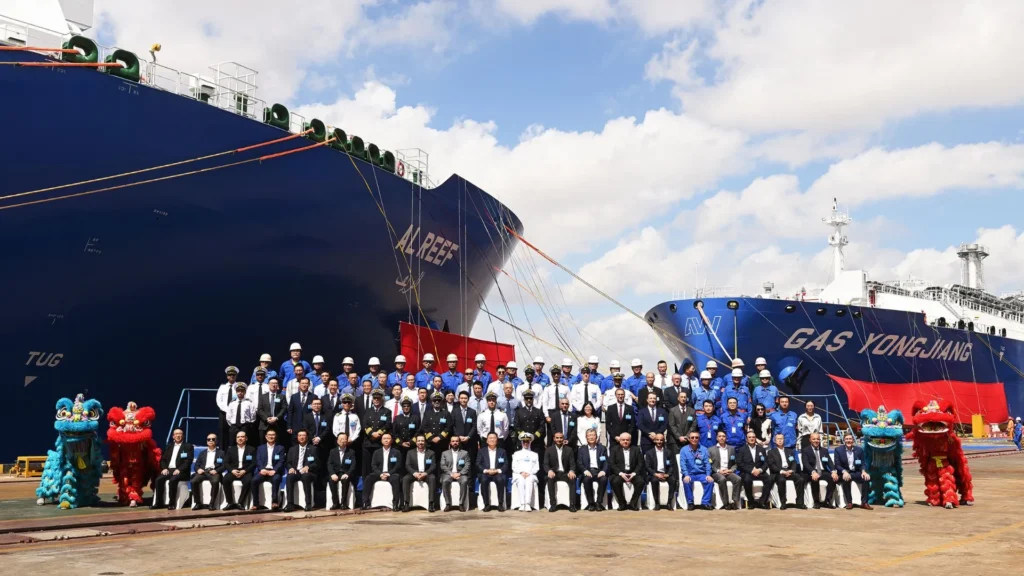
The Yongjiang Gas vessel is the first of nine VLECs that will bolster ADNOC L&S's global ethane logistics under long-term contracts.
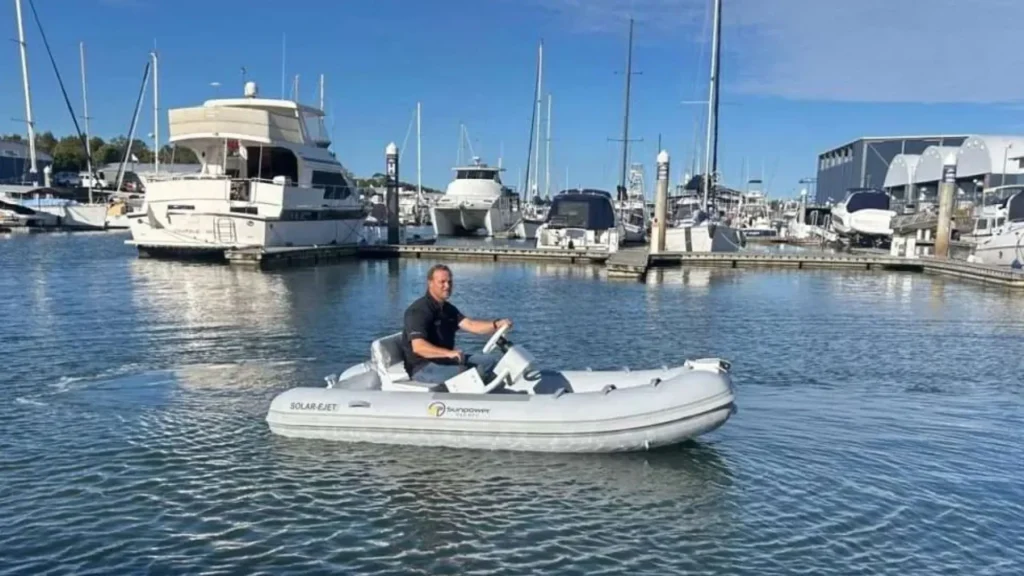
inflatable e-jet that recharges inside the yacht thanks to its integration with solar energy.
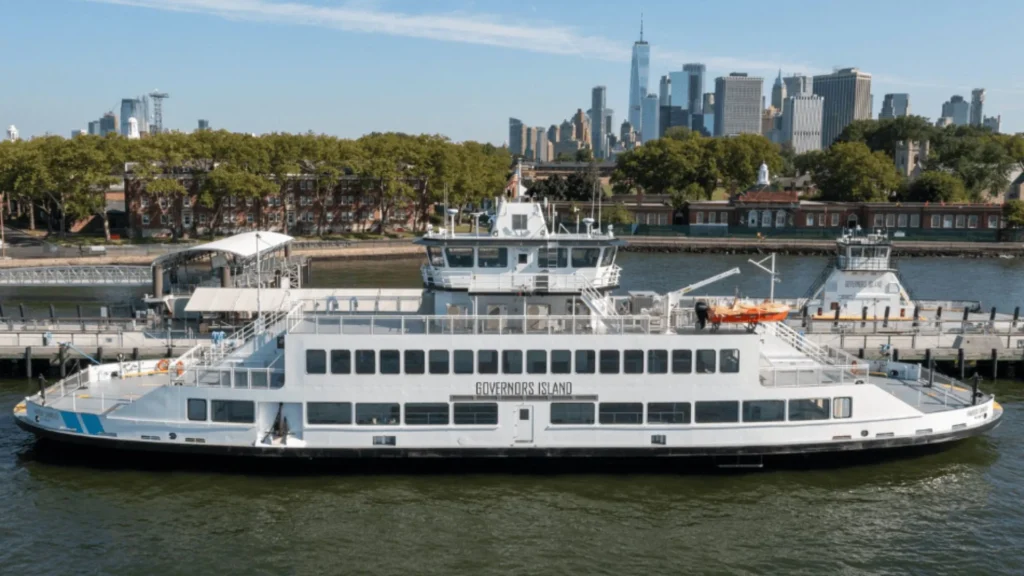
It will reduce up to 1,400 tons of CO₂ per year once it enters operation at full electric load.
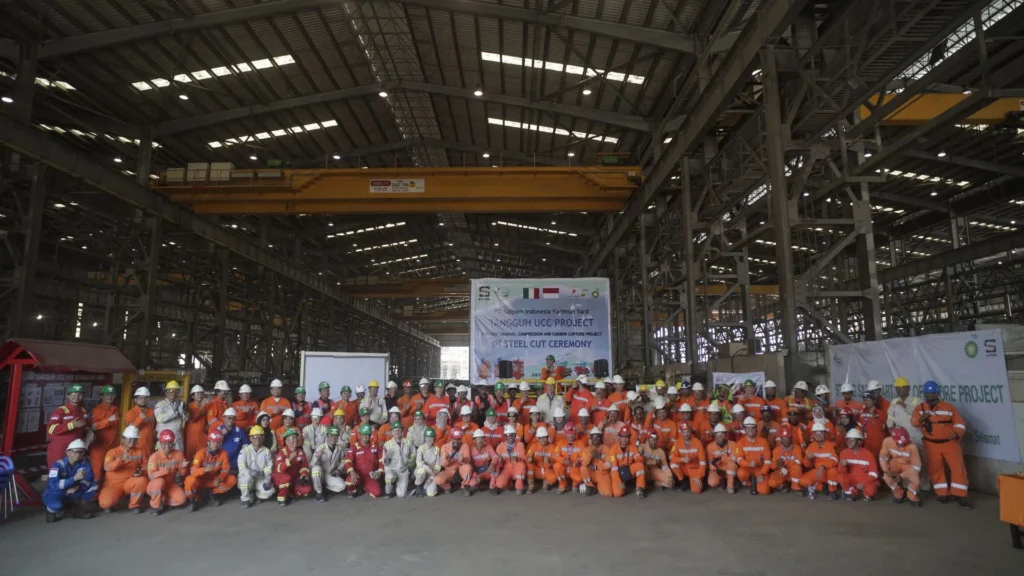
The Tangguh UCC will release an additional 3 trillion cubic feet of natural gas.
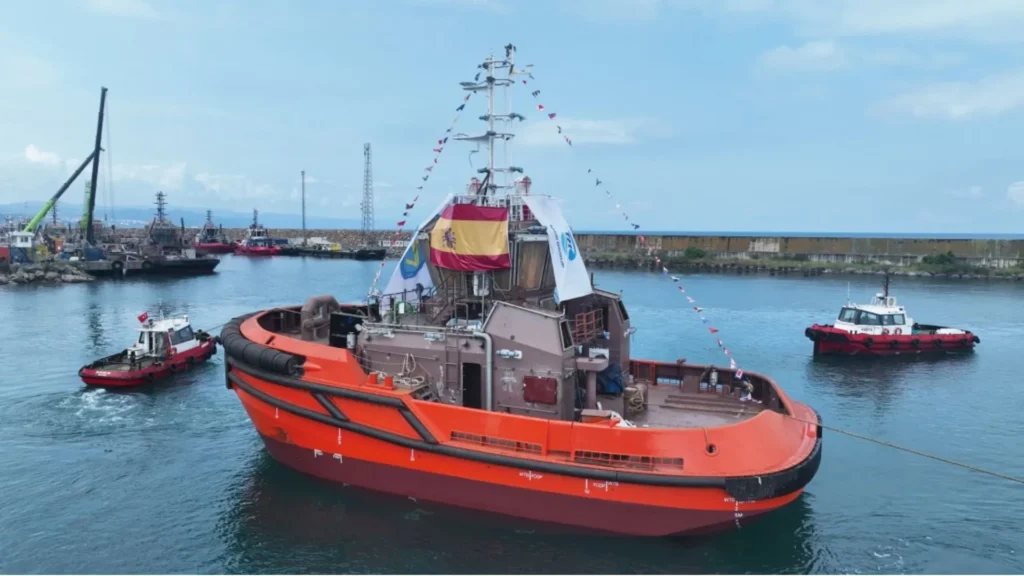
The vessel can exert a pulling force of 50 tons at a fixed point.
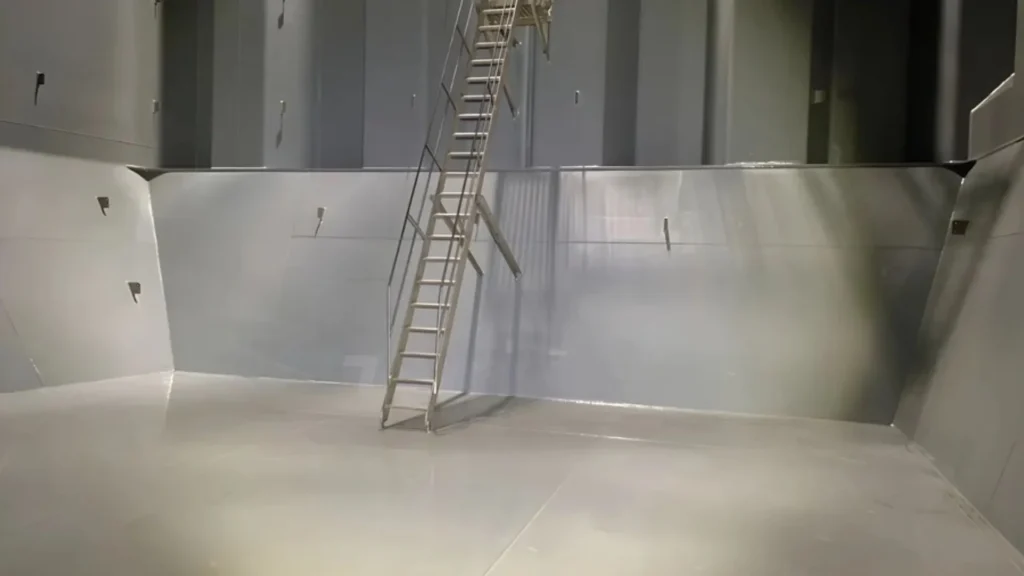
The properties of the coating address today's demands for operational efficiency and environmental compliance in international shipping.
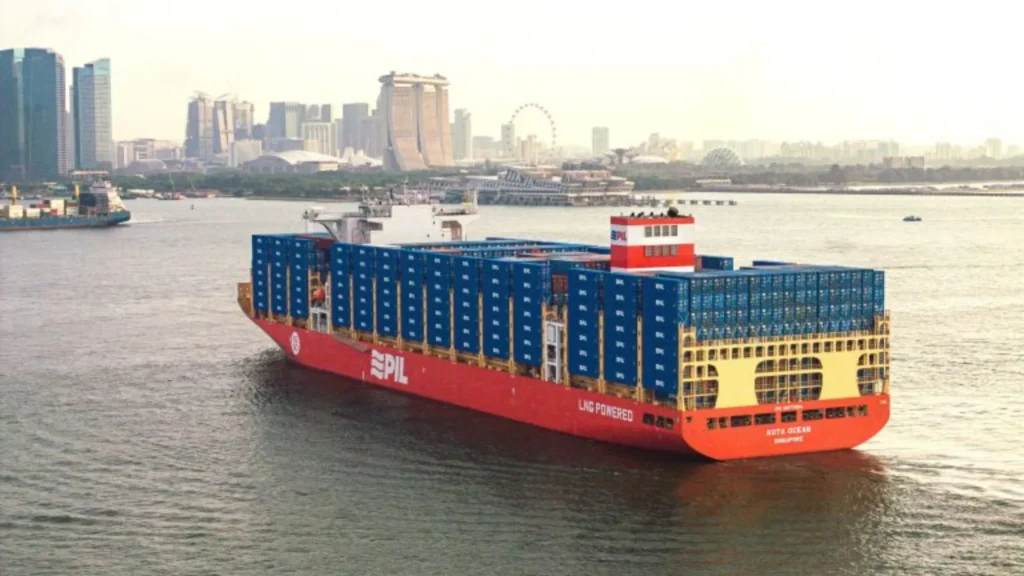
The simultaneous working mode reduces docking times and emissions generated during the stay in port.
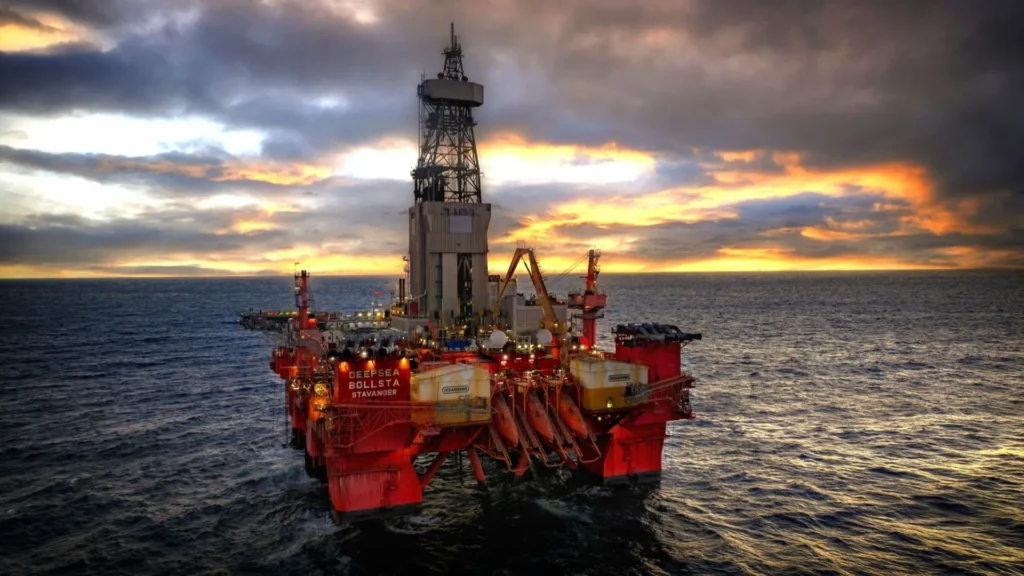
The Deepsea Bollsta can operate at depths of up to 3,000 meters, although the Troll field is between 300 and 330 meters.
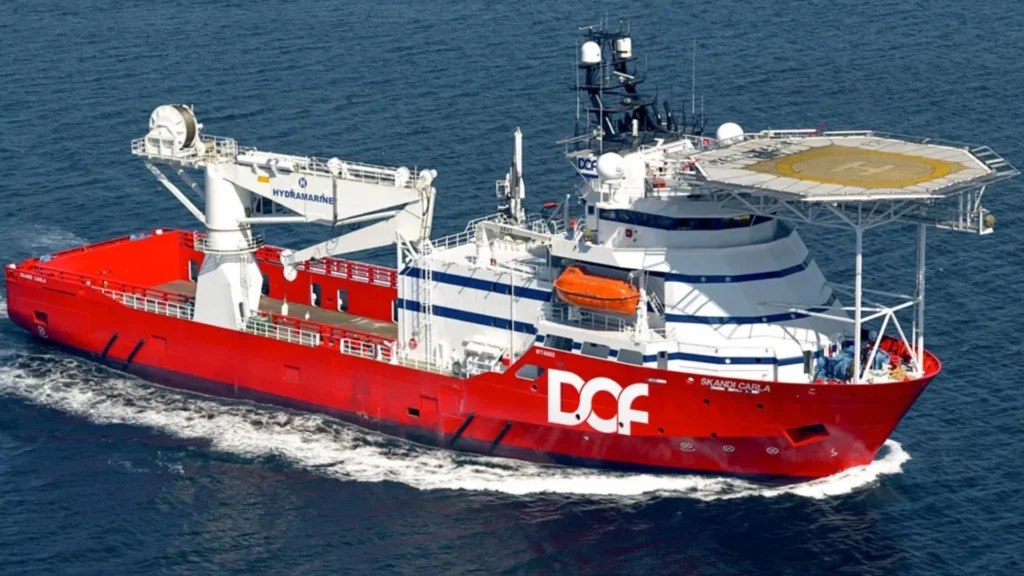
The combined amount of both contracts exceeds US$275 million.
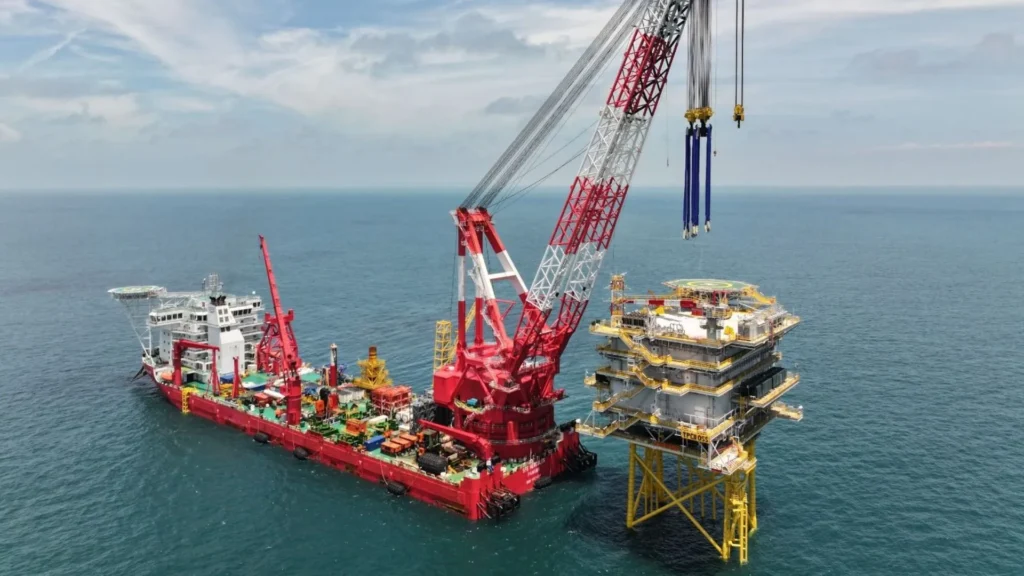
The substation traveled more than 1,500 km from Vietnam before being hoisted onto its jacket foundation in Changhua.
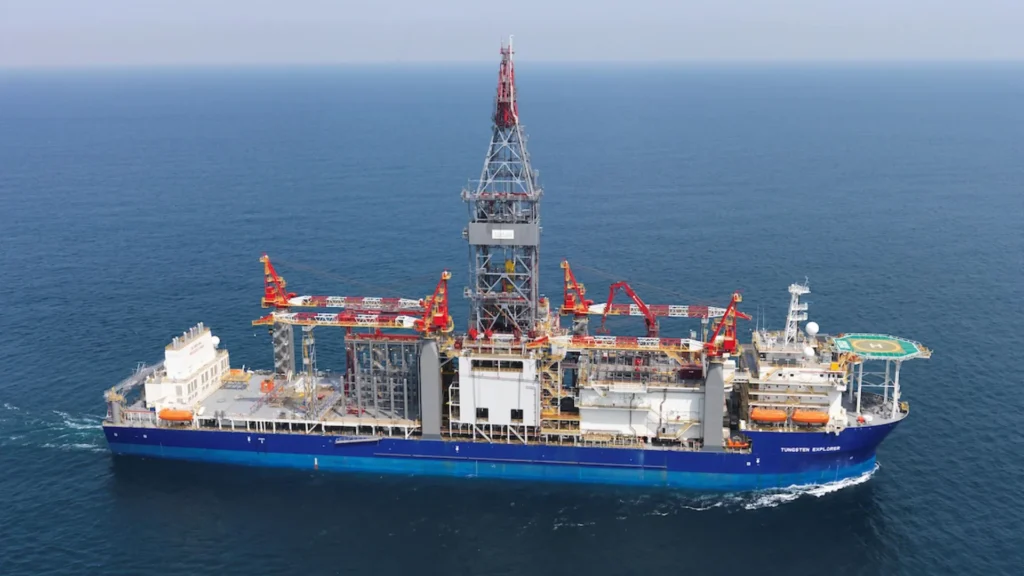
The transaction has set the trend in asset optimization through joint ventures that maximize operational efficiency in oil wells.