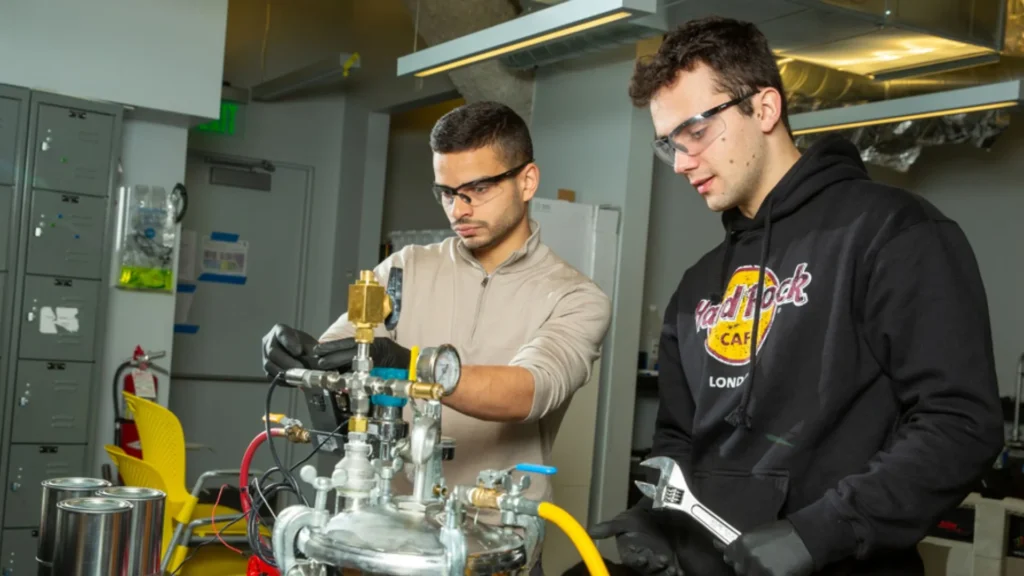
MIT researchers develop hydrogen fuel from soda cans, seawater and caffeine
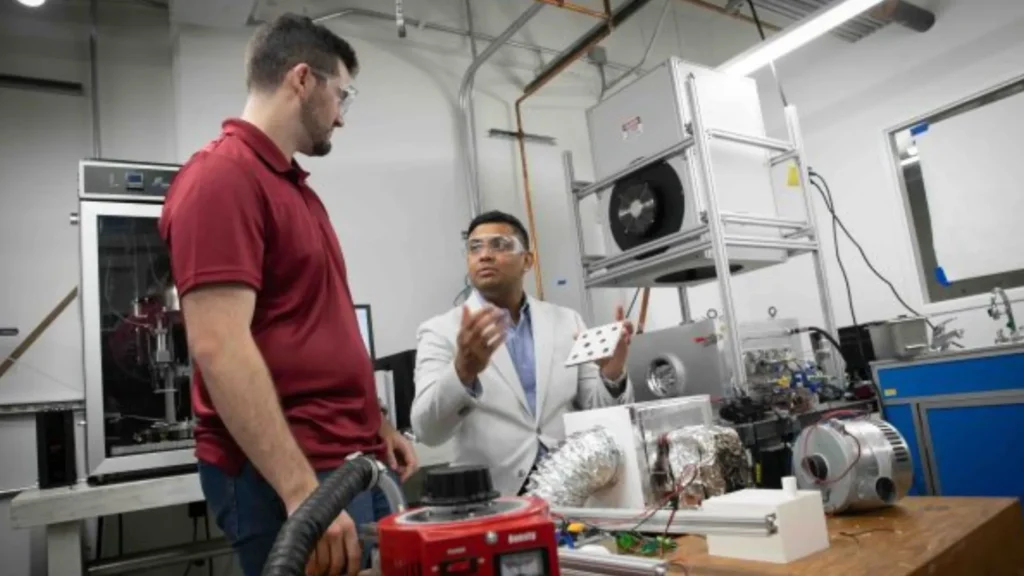
An innovative source of clean energy could be found in everyday items such as used soda cans, coffee grounds and seawater.

An innovative source of clean energy could be found in everyday items such as used soda cans, coffee grounds and seawater.

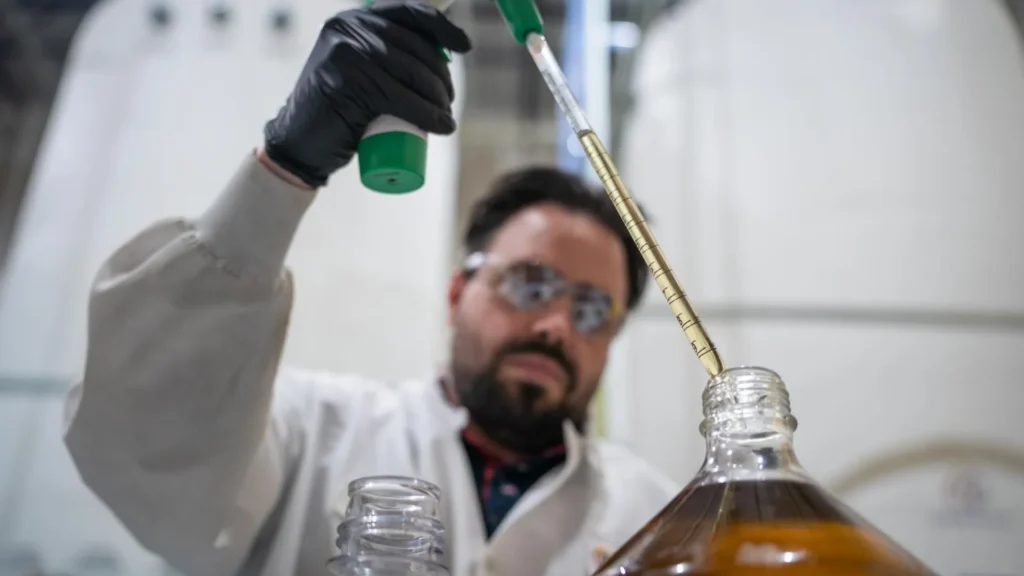
In a major technological breakthrough, Cemvita, a company dedicated and specialized in the processing of sustainable oil from waste, achieved historical records in large industrial biotechnology…

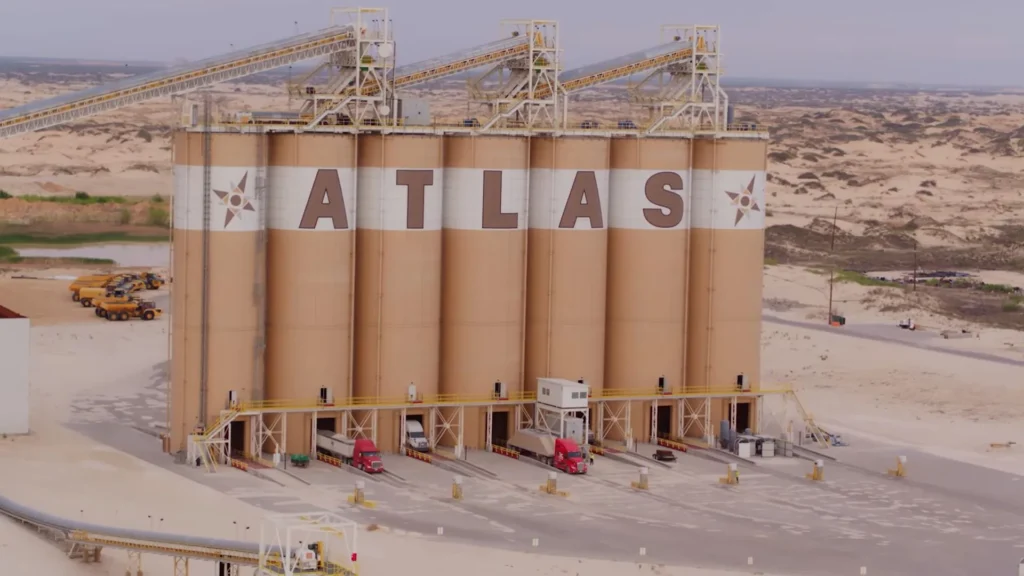
Kodiak and Atlas Energy seek to advance autonomous driving technology, improving the use of heavy-duty transportation.

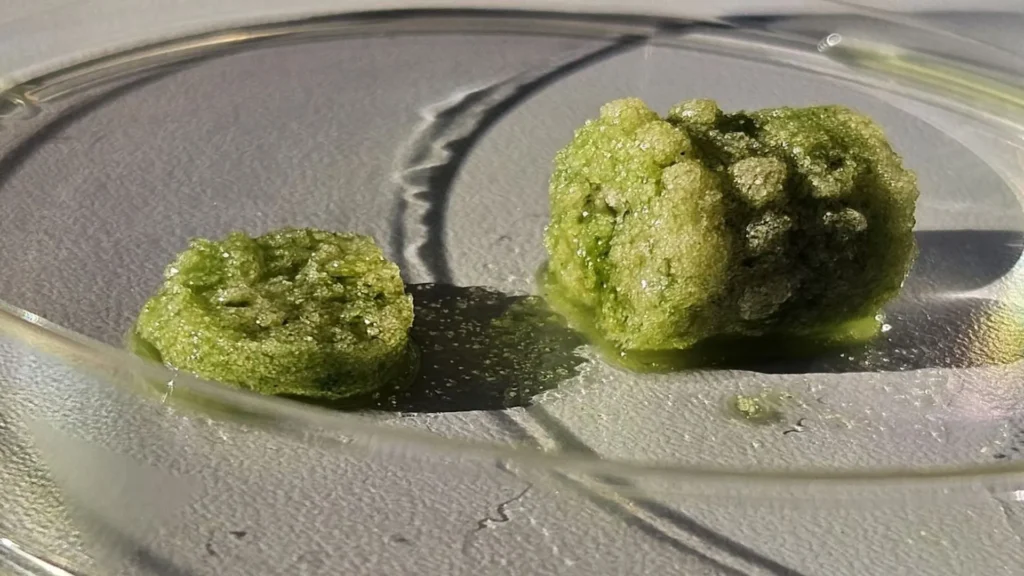
The bio-concrete created by cyanobacteria does not emit CO2; instead, it captures and fixes it in the material, imitating natural processes that are thousands of years…

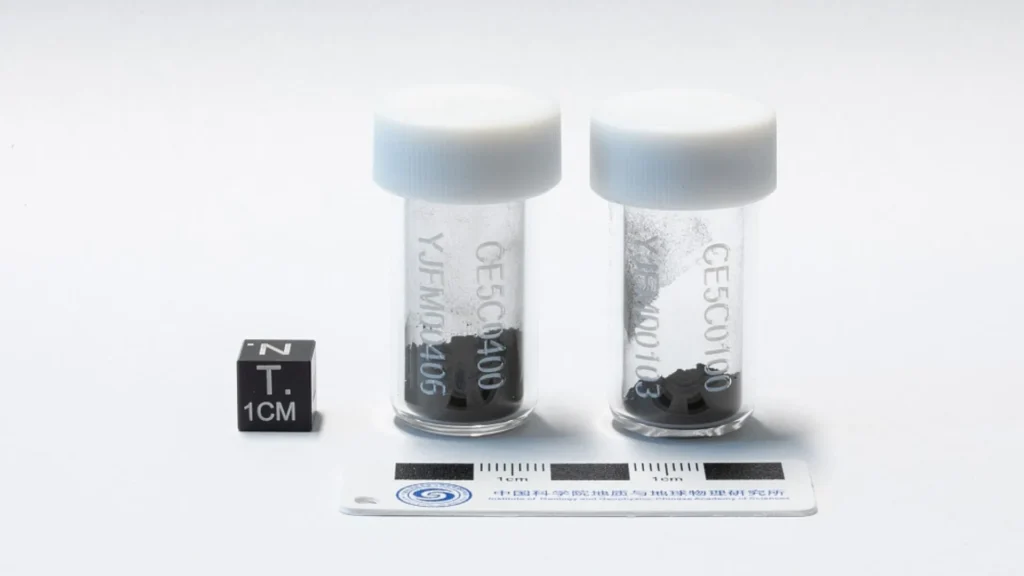
The discovered mineral contains six crystalline water molecules, representing 41% of its total mass.

The Yuldong-With-U complex has the capacity to produce 840 MWh of power while generating heat, which is intelligently stored.

The H2FlyGHT project is supported by different academic and industrial entities for its growth and energetic development.

The Galbot company has the potential to grow the AI industry in Hong Kong through its flagship robot, the Galbot G1.

Cyclic Materials has developed a technology, CC360™, that enables the recovery of rare earths from hard drives, a previously unexplored practice in the recycling industry.

The Aurora Mk-II is designed to fly into space, reaching an altitude of 100 km, and to fly twice daily.

The ASTM F3322-22 standard regulates the use of parachutes on drones, ensuring safe landings in emergencies.

The maritime vehicle achieved high mobility navigation in deep water over adverse and complex marine terrain.