
News
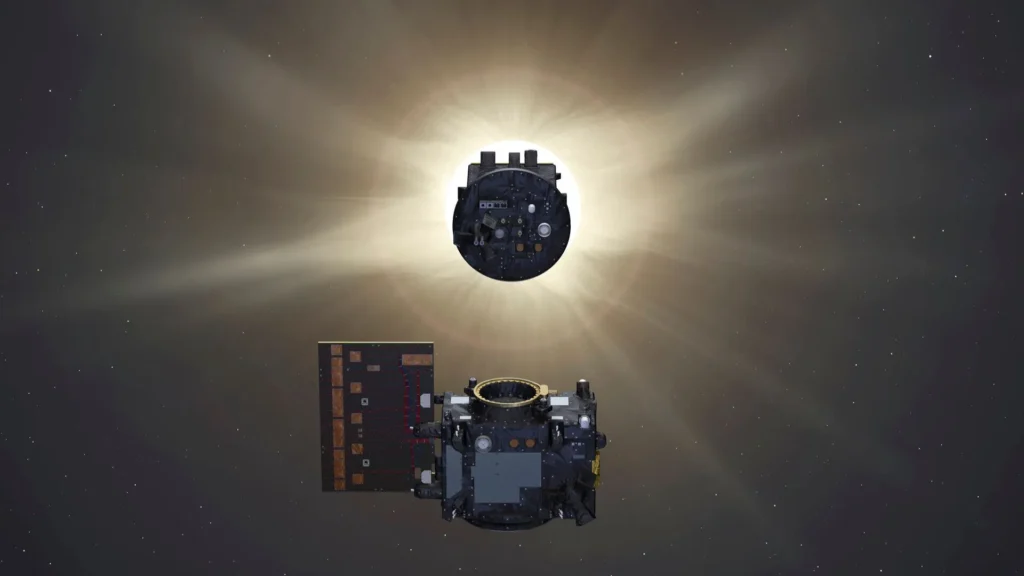
Proba-3 mission achieves first autonomous precision navigation in orbital formation
European satellites achieve high-precision autonomous maneuvers to observe the Sun from space.
European satellites achieve high-precision autonomous maneuvers to observe the Sun from space.
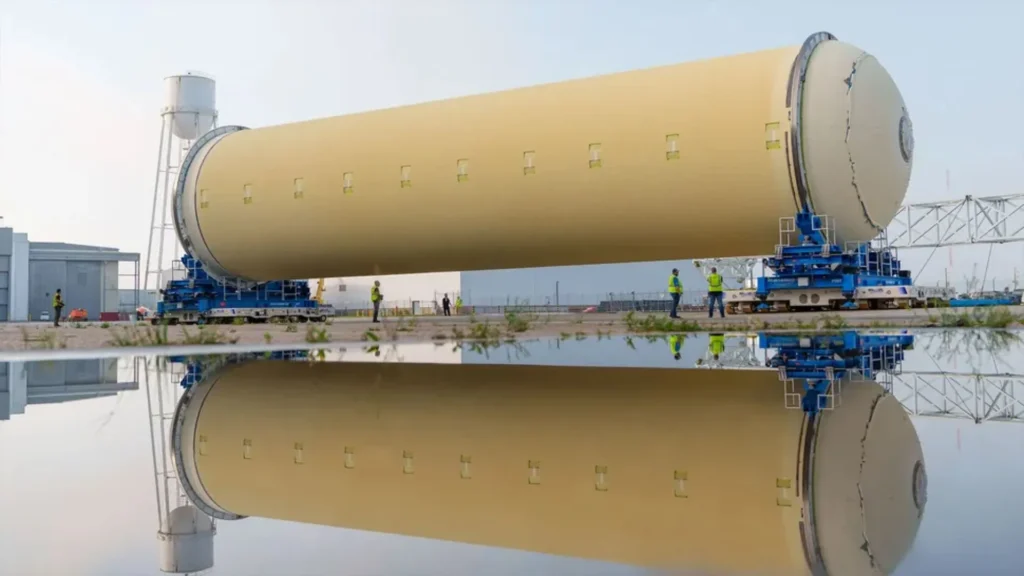
One photograph captured the reflection of the Artemis 3 tank in standing water during its transfer, symbolizing the advance into a new lunar era.
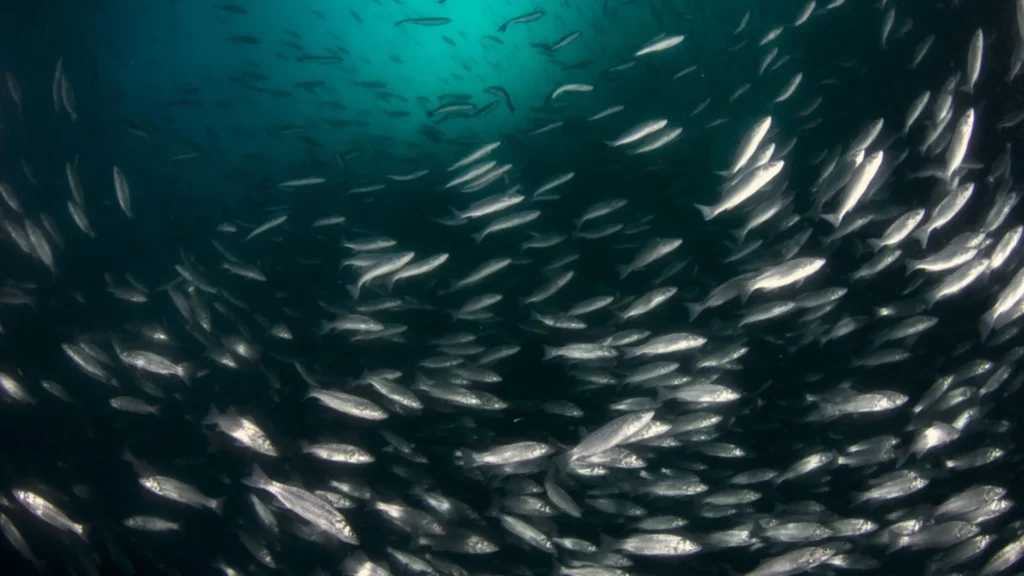
Sea bass hatched during the space voyage could be integrated into the food culture systems of future lunar missions.
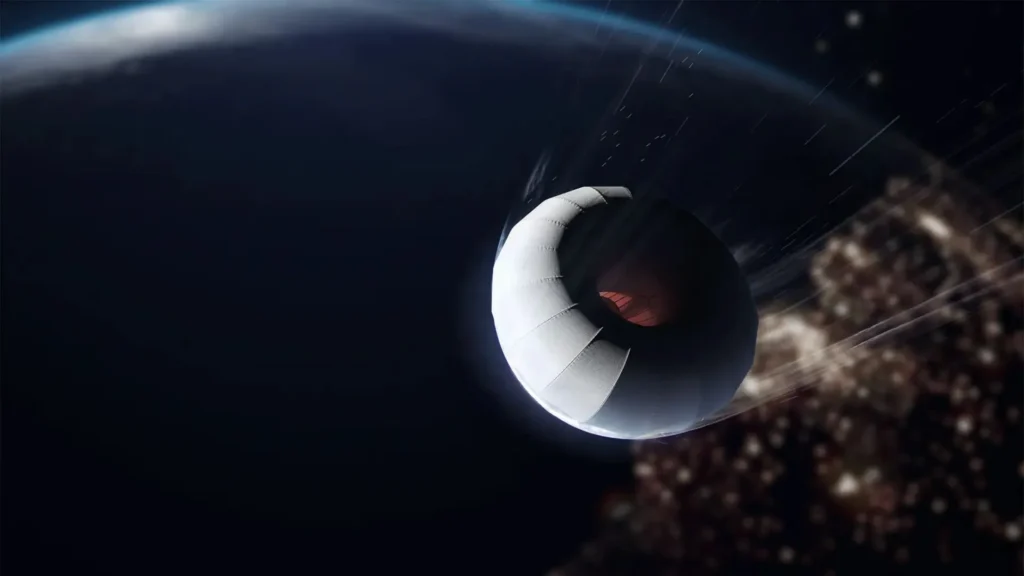
After the splashdown, the volume of information obtained far exceeded the objectives set by the engineering team.
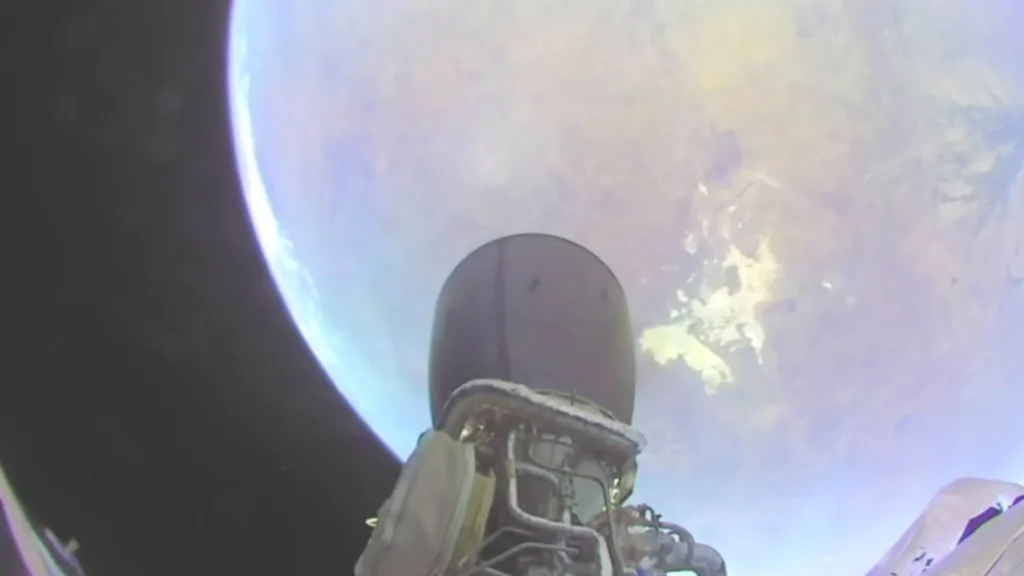
The company and its track record in manufacturing lightweight carbon components and high-performance engines will enable more efficient developments in the future.
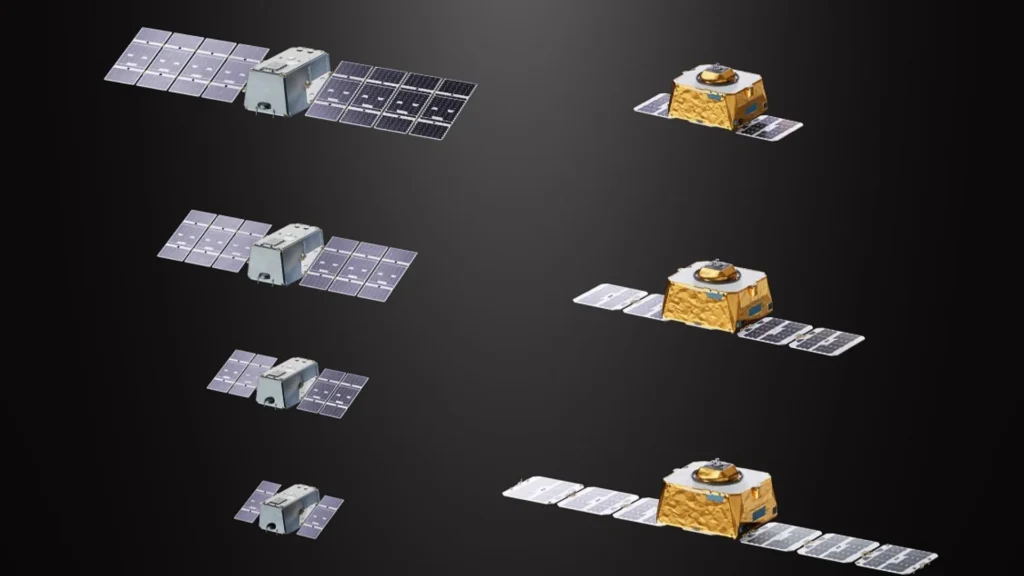
This technology promises high efficiency and radiation resistance, while being scalable for satellites of different magnitudes.
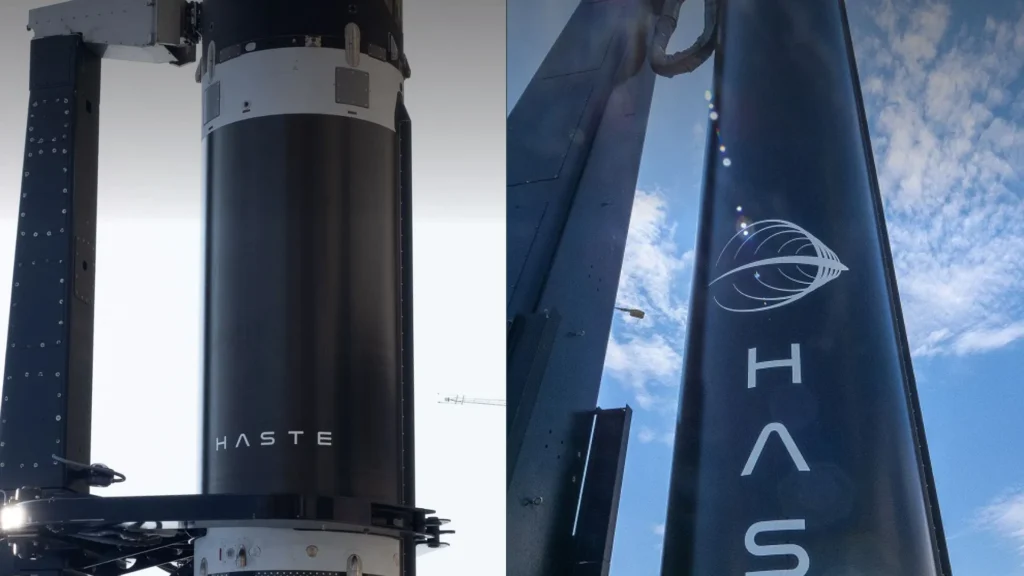
The company offers comprehensive design, simulation, and manufacturing services for custom components.
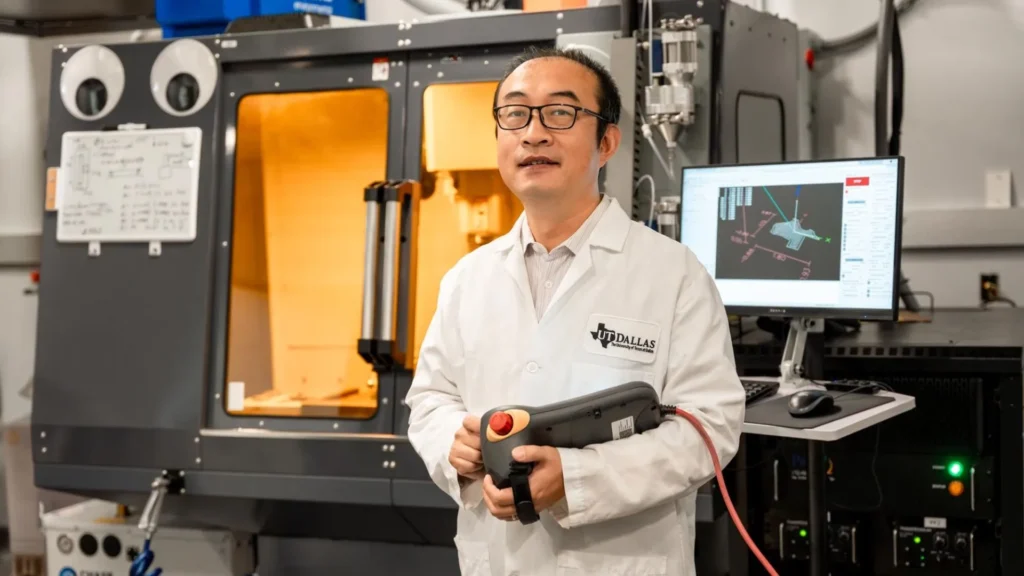
Lunar conditions can induce defects such as cracks and fractures in metal joints after the welding process.
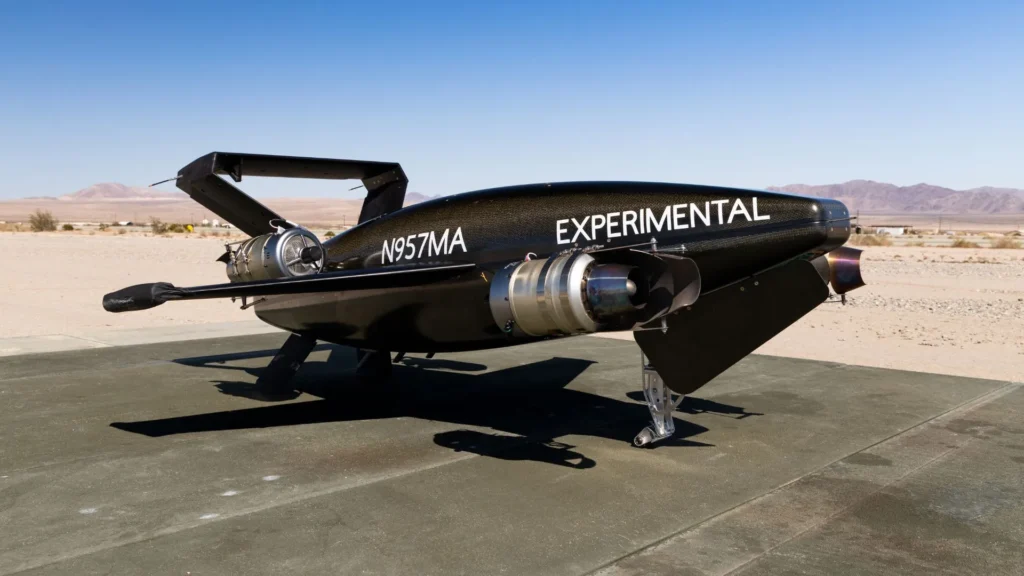
The aircraft performed complex maneuvers without human intervention, thanks to its artificial intelligence-powered flight control system.

This test flight demonstrates Europe's potential for commercial space launches.
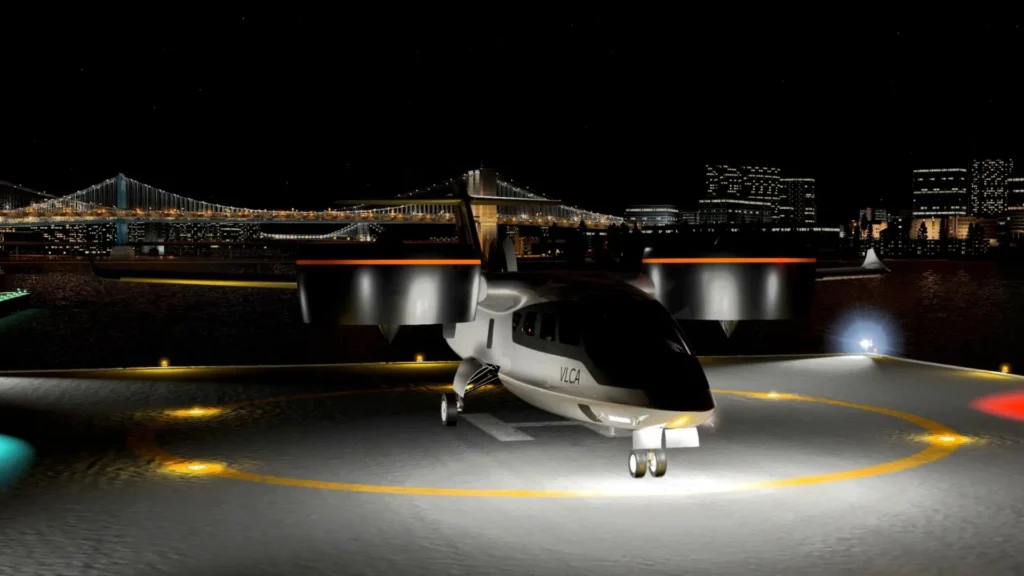
The updated fuel system and engine design of the TriFan 600 extend its range and optimize its operating efficiency.
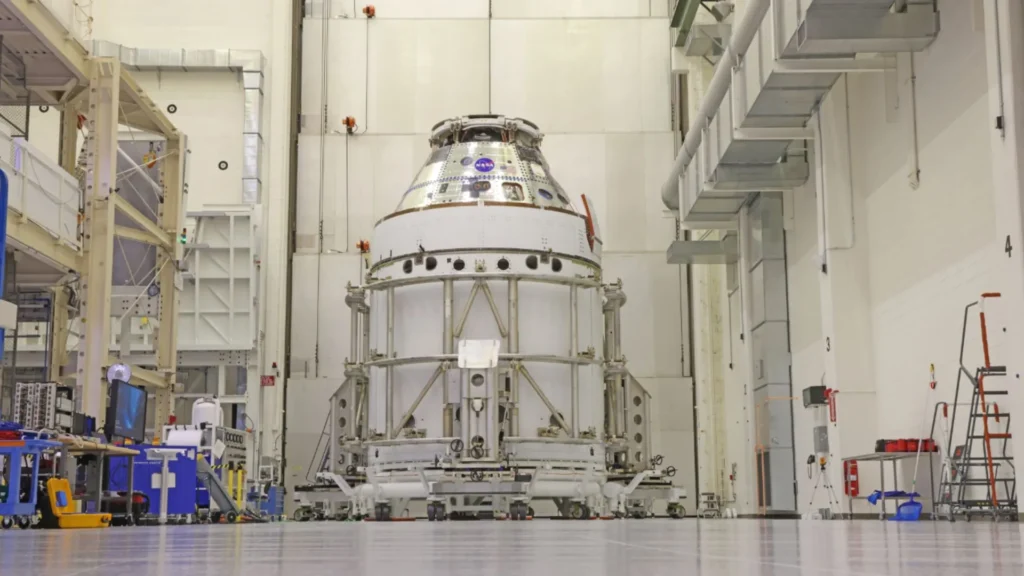
International technological collaboration and the development of new technologies are fundamental pillars of this aerospace initiative.