
News
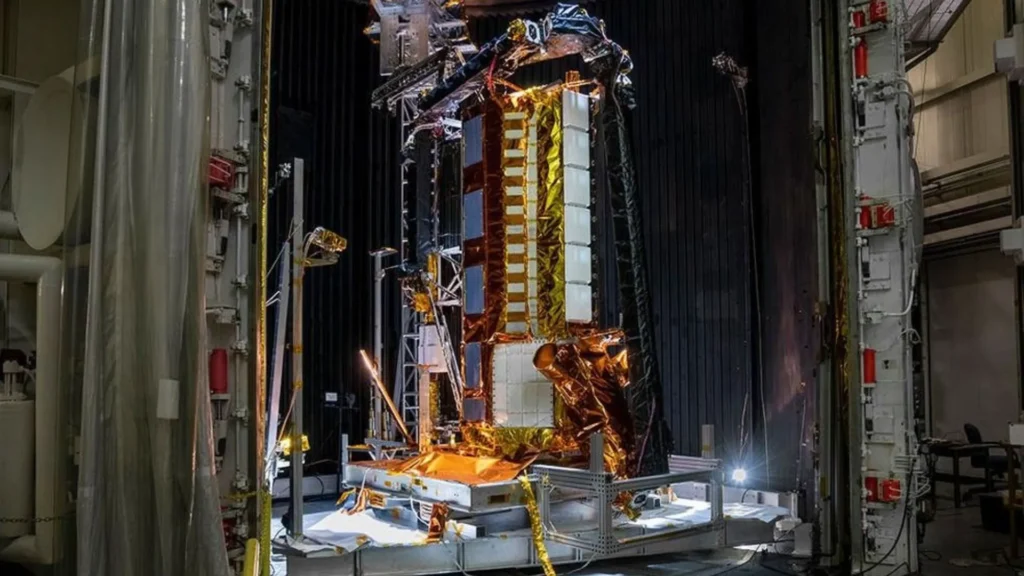
NISAR satellite starts mission to map earth changes in real time
NISAR can detect changes in the Earth's surface of just centimeters from an altitude of 747 km.
NISAR can detect changes in the Earth's surface of just centimeters from an altitude of 747 km.
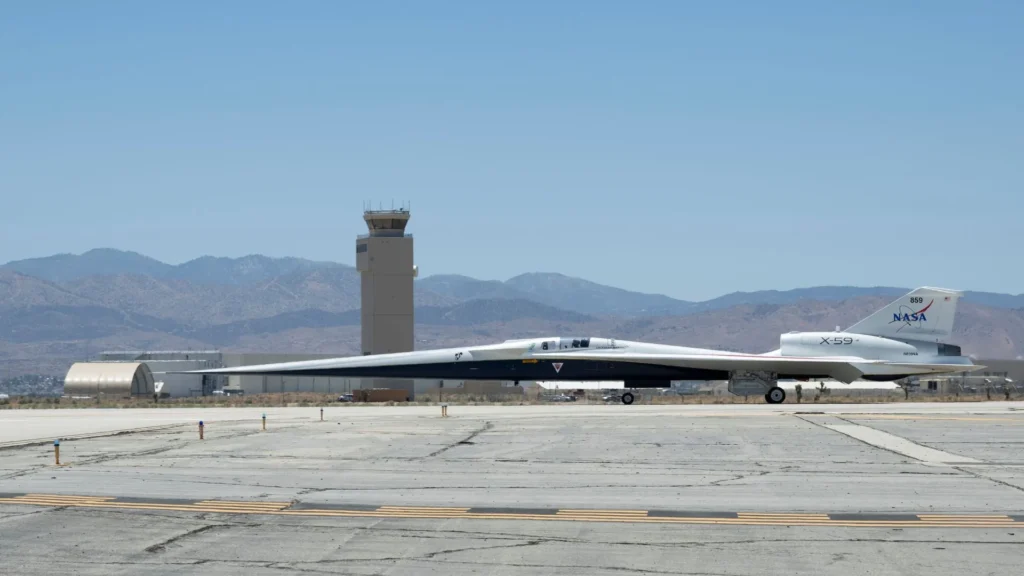
The aircraft will demonstrate technology for supersonic flight, i.e., at a speed greater than the speed of sound.
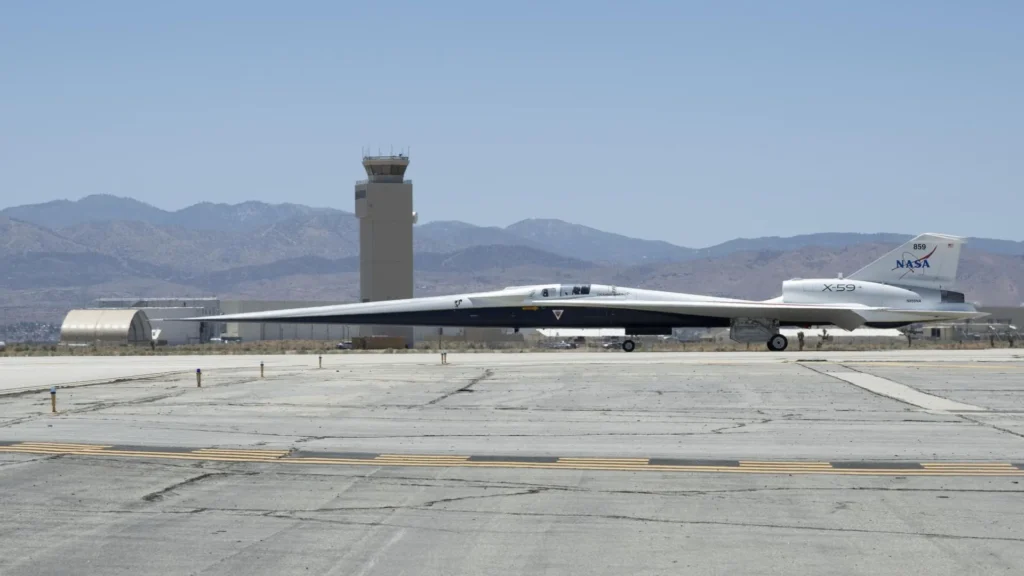
Once the jet's behavior in these conditions has been verified, the X-59 will be ready to take off and begin its test flight campaign.
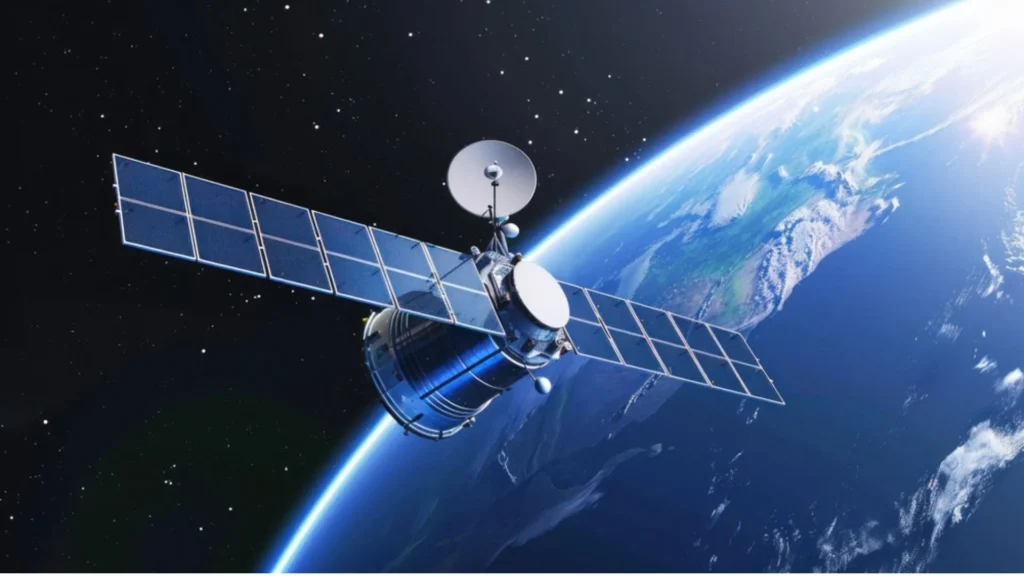
Auriga Space boosts payloads to rocket-free hypersonic speeds using linear electric motor technology.
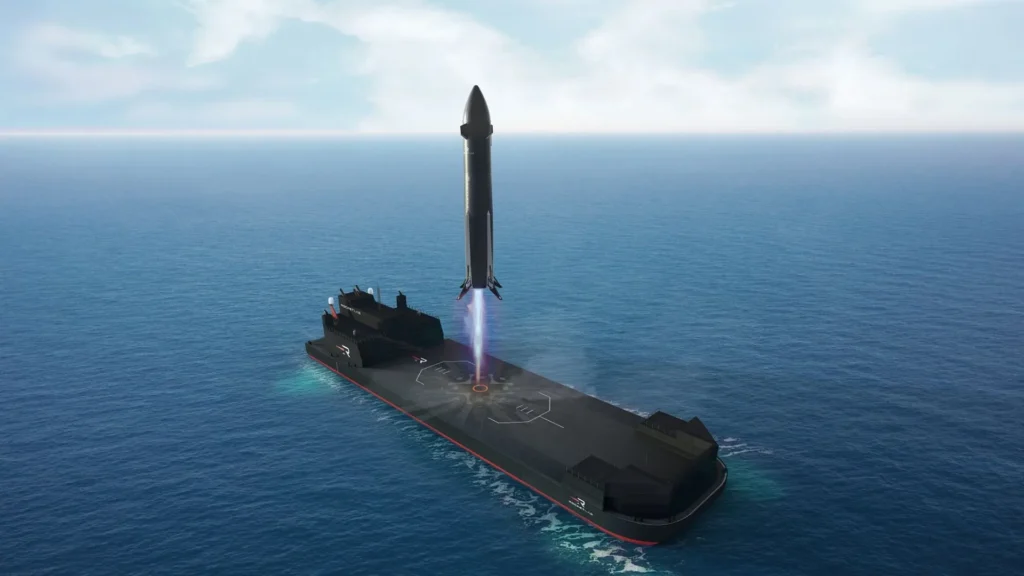
The "Return On Investment" platform will enable at-sea recovery and rapid processing of the Neutron rocket after each mission.
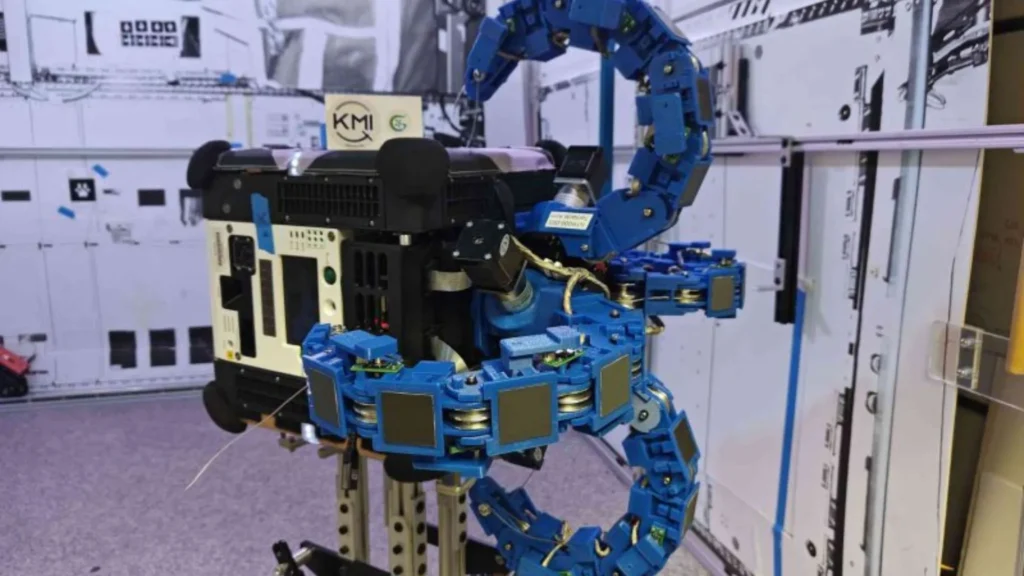
REACCH completed 172 successful microgravity captures during eight months aboard the ISS.
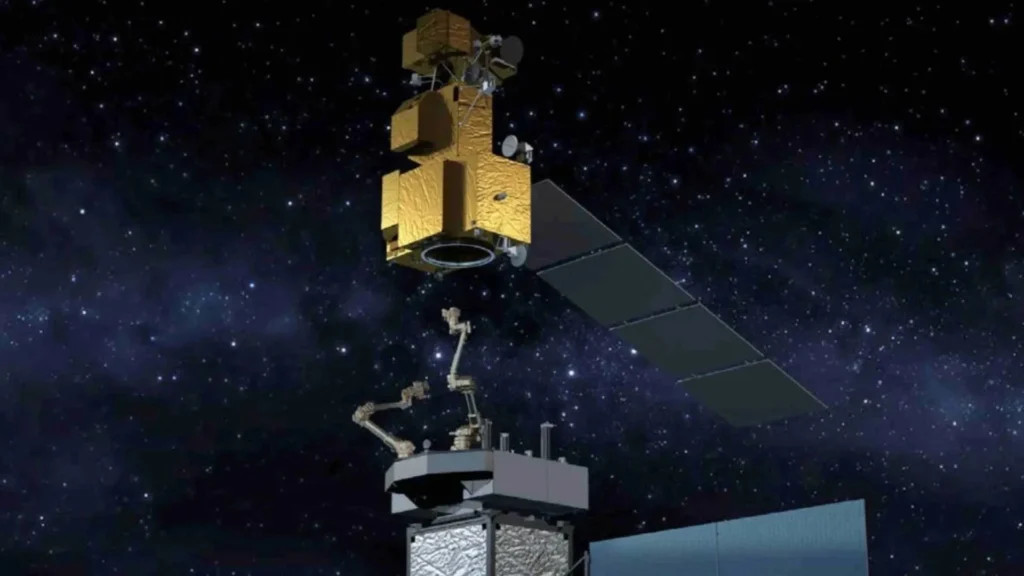
This procedure, if confirmed, would be a landmark event in autonomous maintenance capability in space.
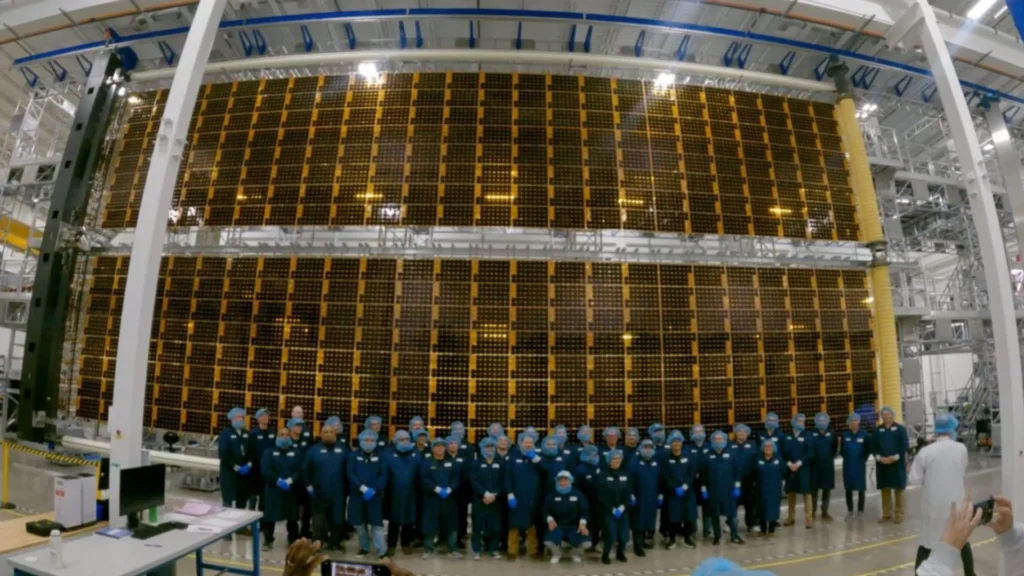
The technology will also enable experimentation, surveillance and possible resource extraction activities in lunar orbit.
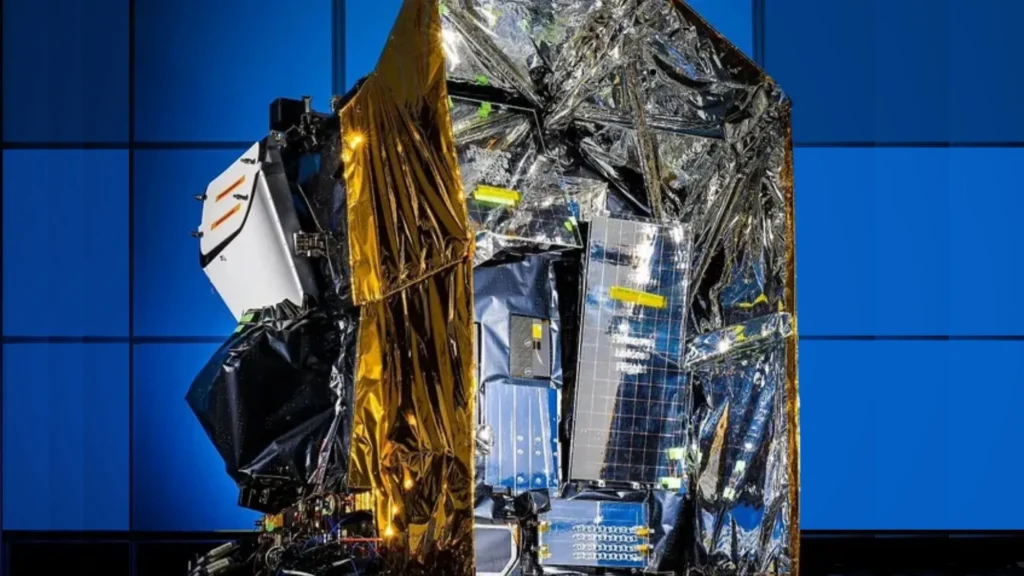
The operation will be carried out by EUMETSAT, the entity responsible for the operation of meteorological satellites in Europe.
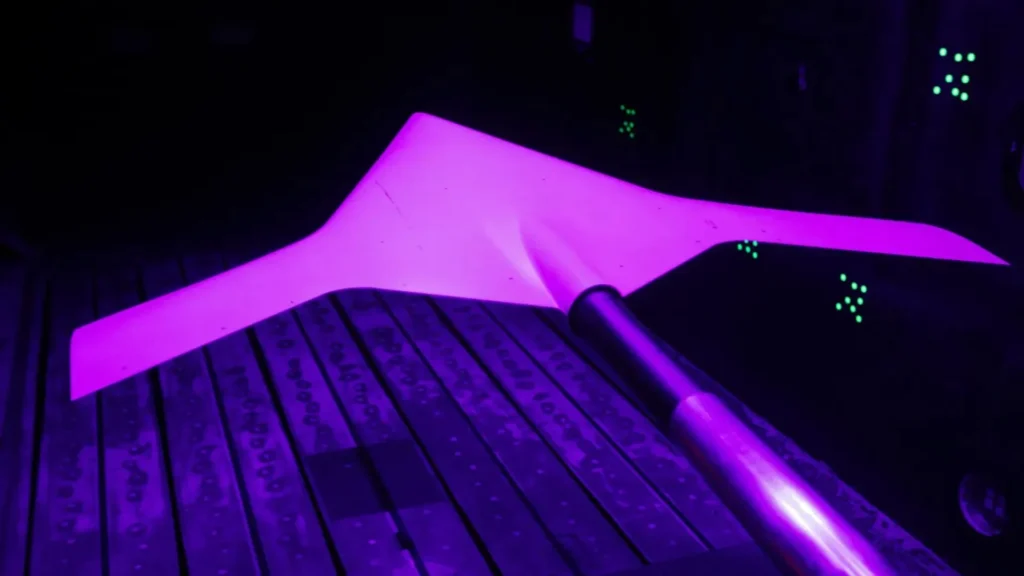
The uPSP paint allows NASA to analyze complex pressures in real time inside high-tech wind tunnels.
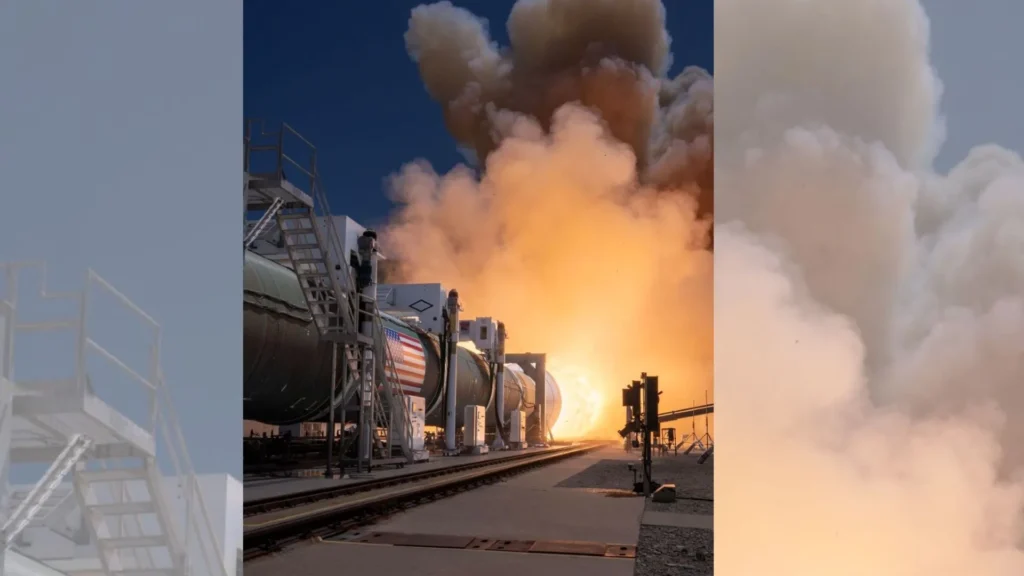
The BOLE allows a five-ton increase in payload to lunar orbit thanks to its new design.
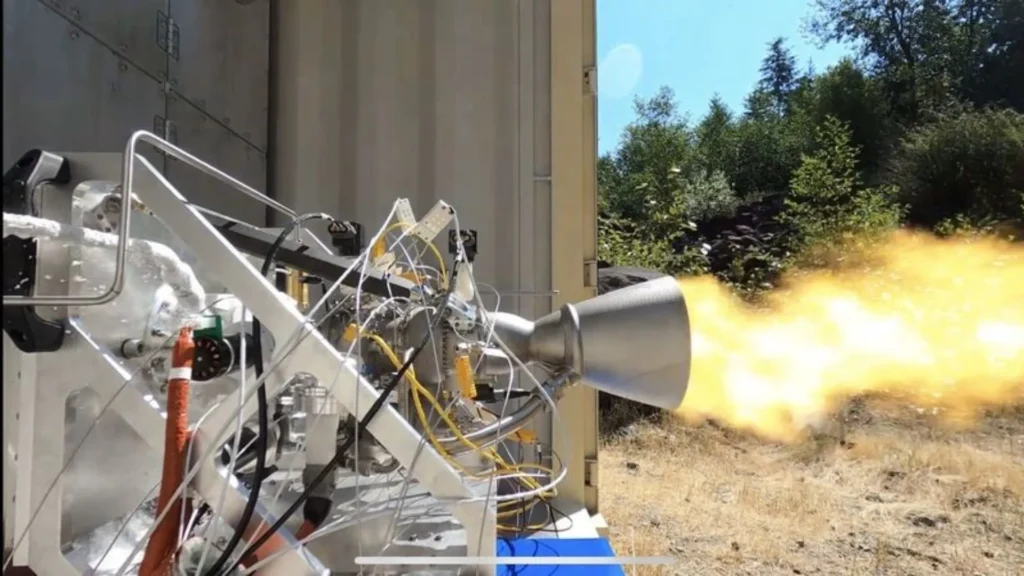
The Mjölnir engine employs a combustion cycle that only a few systems in the world have mastered.