

Featured
Star Catcher Industries closes funding round to transform space power grid
The Red Star Catcher will enable spacecraft to generate 5 to 10 times more power without modernization.
The Red Star Catcher will enable spacecraft to generate 5 to 10 times more power without modernization.
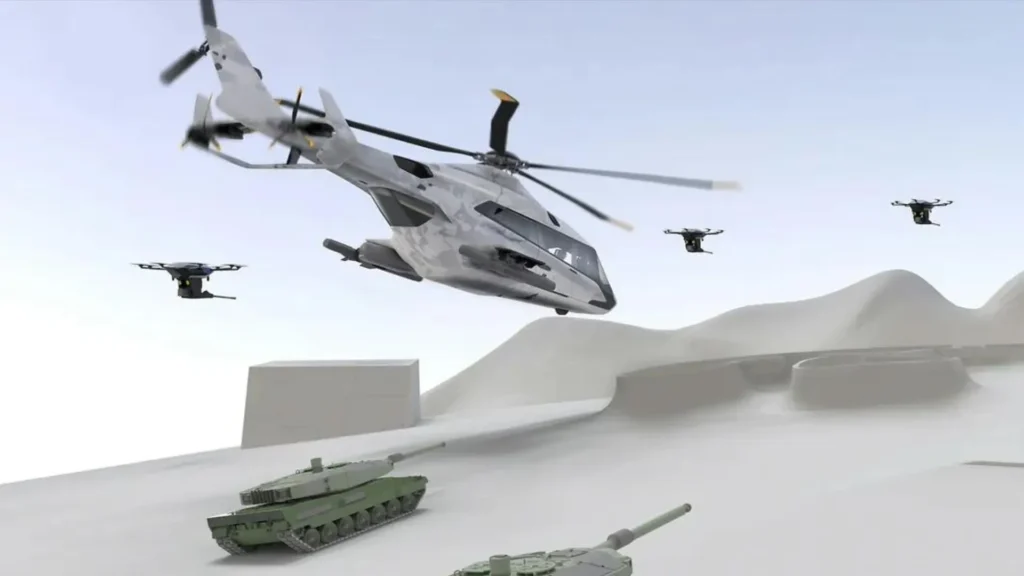
Airbus Helicopters will lead the design study of next-generation helicopters, ensuring that they are fully interoperable with NATO systems.
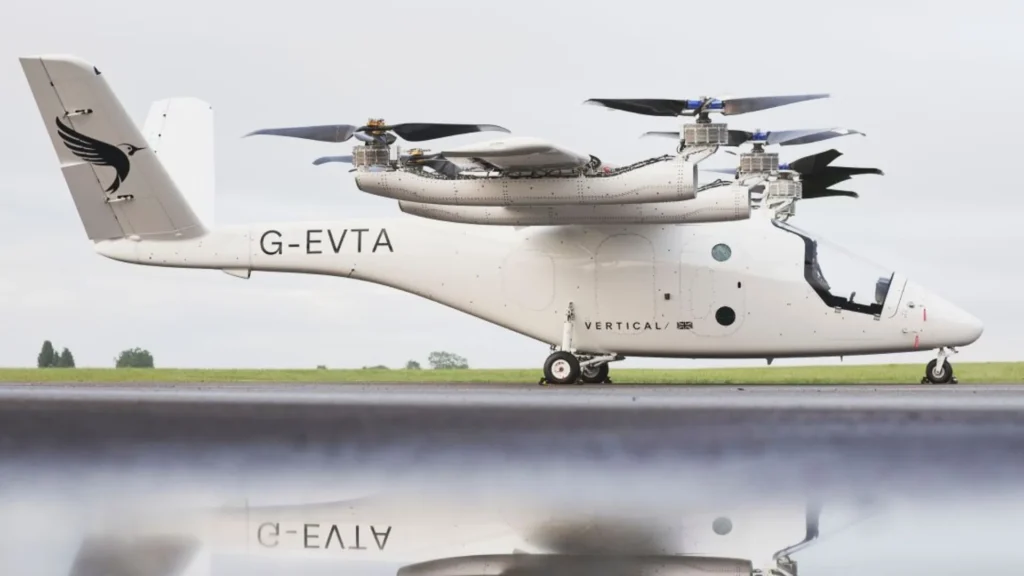
The VX4 has proven to be 20% more powerful than its previous version, enabling it to reach a cruising speed of 240 km/h (150 mph).
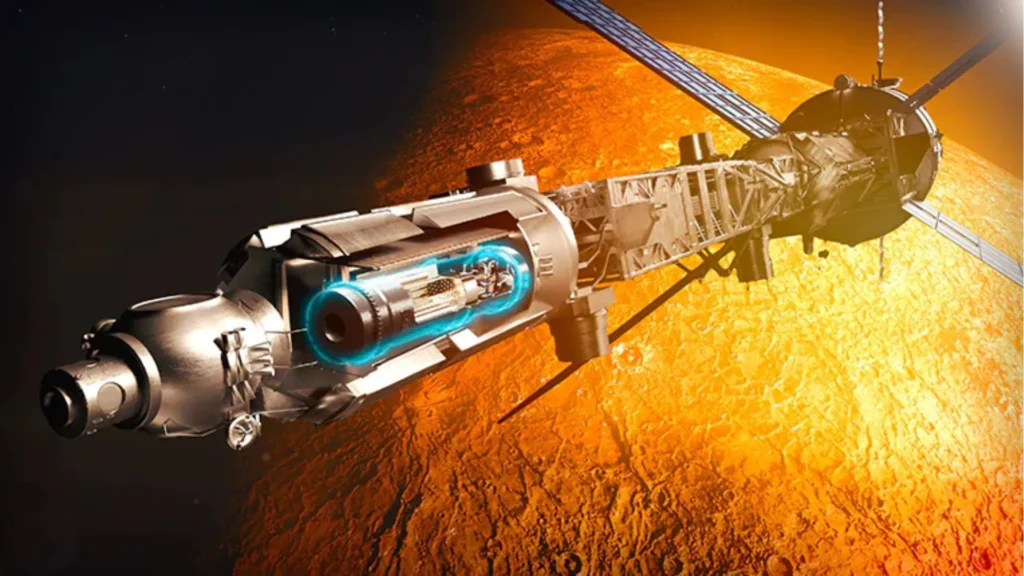
Nuclear microreactors could be a viable solution in spacecraft propulsion, such as providing power for future space missions.
The technology to be implemented for the inspection of engine parts is the same as that used for the identification of counterfeit art.

The SLS core stage is the largest structure ever built by NASA and also the longest object carried by an agency barge.
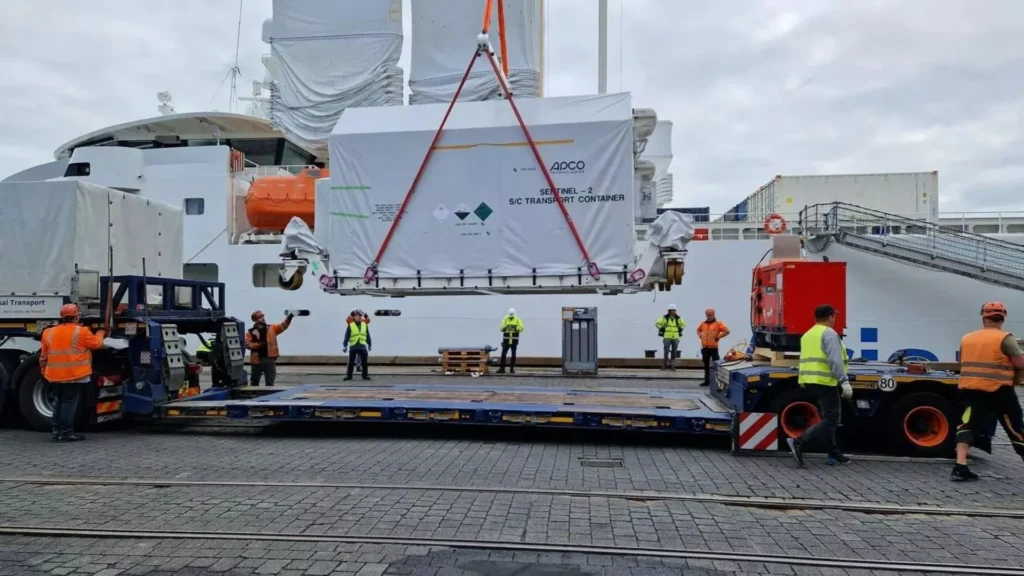
The spacecraft will arrive at the launch site aboard the sail-assisted Canopée ship.

Universal Hydrogen's Dash 8 aircraft made 13 successful flights using a hydrogen fuel cell electric propulsion system.
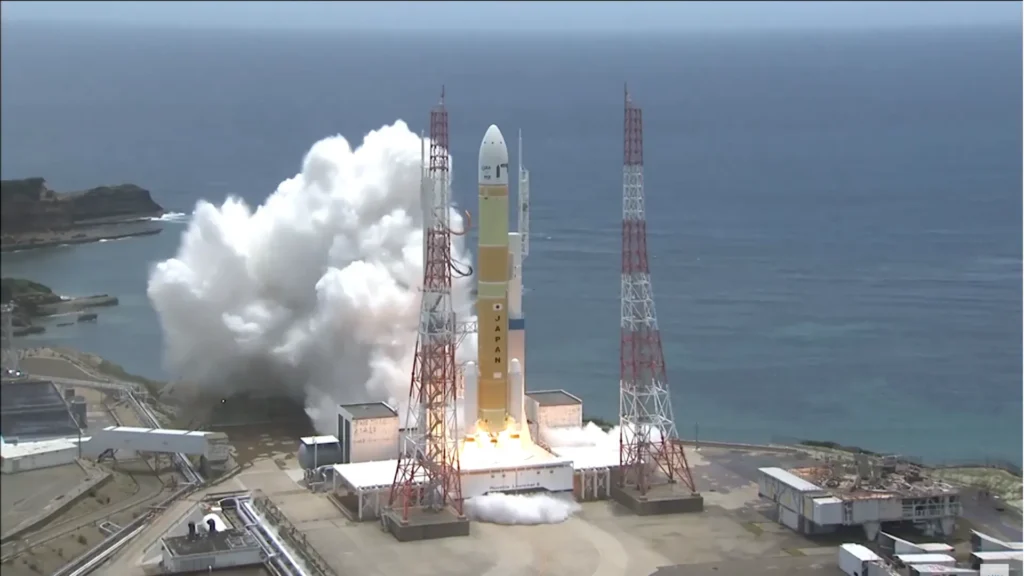
The use of radar technology allows the satellite to take images even in adverse weather conditions.
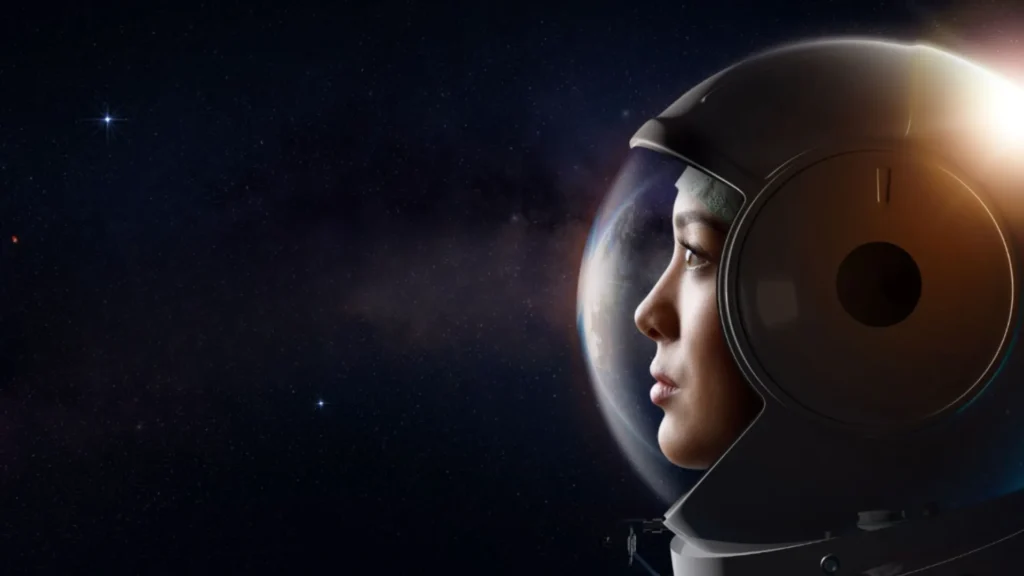
This mission aims to integrate the high power density modular battery into UARX Space's Orbital Transfer Vehicle platform.
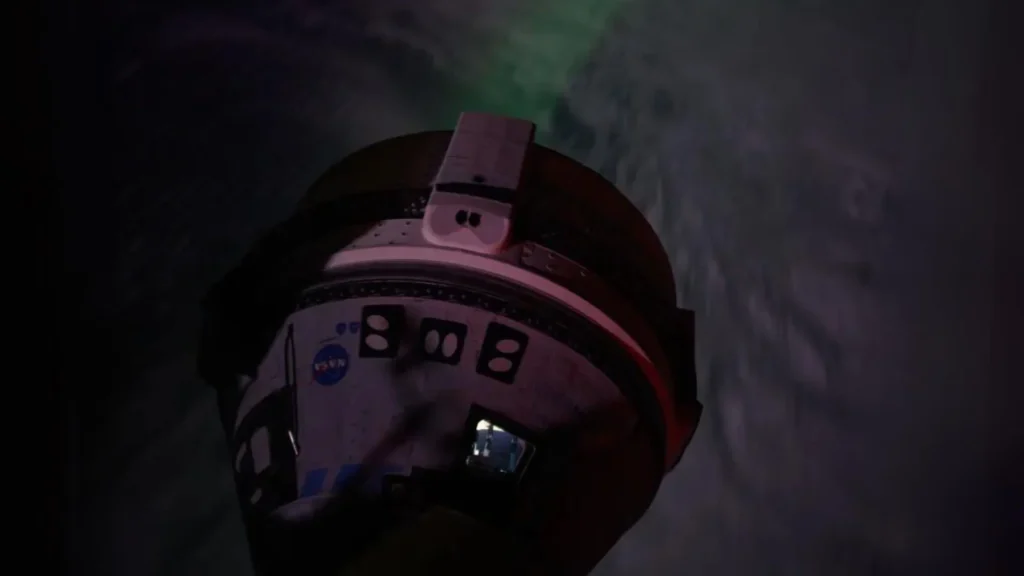
Boeing's Starliner is authorized as an emergency return vehicle in case of system failures.
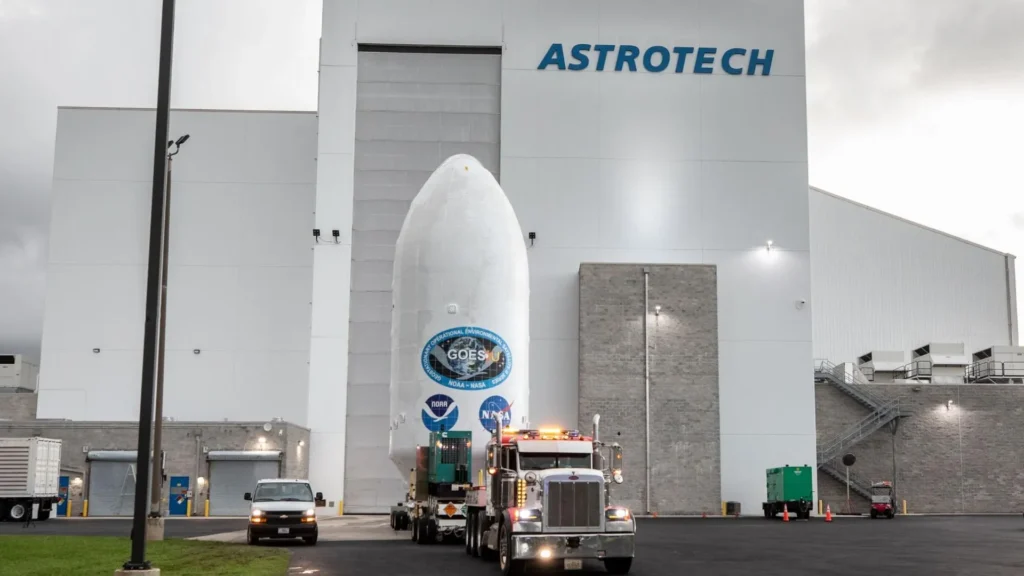
NOAA's GOES-U is intended to improve early warning and weather prediction capabilities.