
Table of Contents
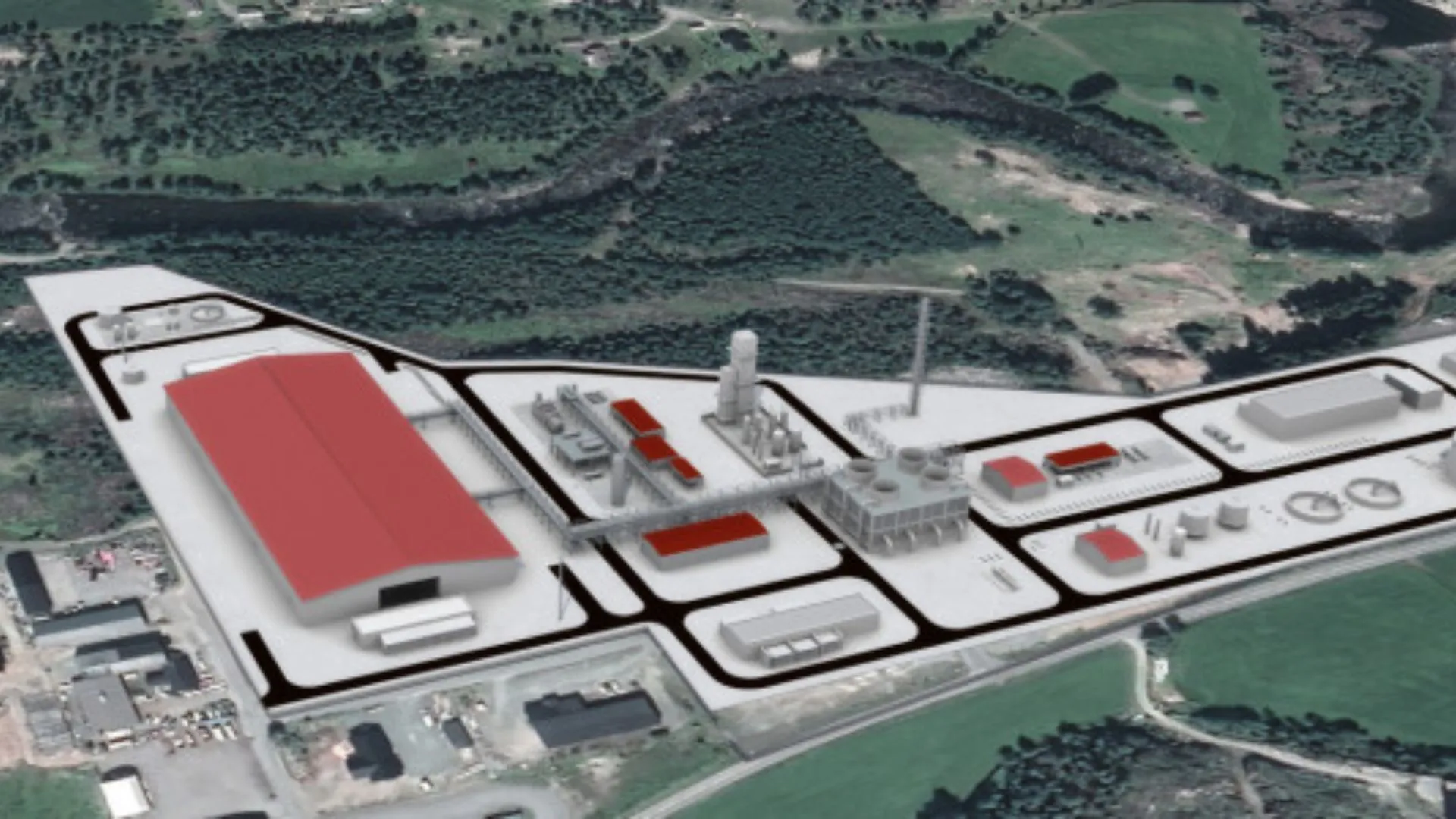
The company Iverson eFuels has officially confirmed it is halting its plans to establish a renewable ammonia production plant in Sauda, a decision that directly responds to structural complications unrelated to the product’s technical viability.
The Halt in Renewable Ammonia Production
Due to a cumulative two-year delay compared to the original execution schedule, the national grid operator, Statnett, has withdrawn the 270 MW allocation that was vital for the facilities’ operability.
This loss of access to the necessary energy leaves the Birkeland complex in a logistical void that will be difficult to bridge before the next decade. Current projections indicate that the improved electricity grid will not be available until between 2033 and 2035, creating an uncertainty that the company’s management considers untenable.
Likewise, the firm has expressed its gratitude to the municipality of Sauda and to the partners who invested considerable resources in this clean fuel initiative. Although ammonia production will not proceed, the company will not abandon the area.
The new strategic focus will be directed towards evaluating a data center in the same location. This alternative seeks to leverage previous studies and approved zoning to foster local economic activity in a different way.
Furthermore, this suspension affects supply plans for the maritime sector, where renewable ammonia was emerging as a solution to reduce emissions. The commitment of the developers, including Hy2gen and Copenhagen Infrastructure Partners, remains firm in other markets, but the reality of Norway’s electrical infrastructure has necessitated a change of course.
Source and photo: Iverson Fuels