
Table of Contents
- The importance of the energy transition for tanks, terminals, midstream, and offshore
- Managing the transition: Key strategies for operators
- Opportunities for tanks and terminals
- Opportunities for midstream pipelines
- Opportunities for offshore facilities
- Case studies: Energy transition in action
- Challenges and future directions
- Conclusion
The global energy transition is reshaping the foundations of oil, gas, and petrochemical industries. What was once a conventional focus on hydrocarbons is now evolving into a dynamic mix of renewable power, hydrogen, carbon capture, and digital innovation. Tanks, terminals, midstream pipelines, and offshore facilities, traditionally seen as cornerstones of fossil fuel infrastructure, now find themselves at the epicenter of transformation.
Rather than a threat, the energy transition represents an unprecedented opportunity. By rethinking operations, optimizing energy use, and embracing new technologies, operators can transform these critical assets into resilient and multipurpose hubs that will thrive in a low-carbon future. The challenge lies not only in adopting new technologies, but also in managing the transition strategically, ensuring that sustainability goals align with profitability and operational reliability.
The importance of the energy transition for tanks, terminals, midstream, and offshore
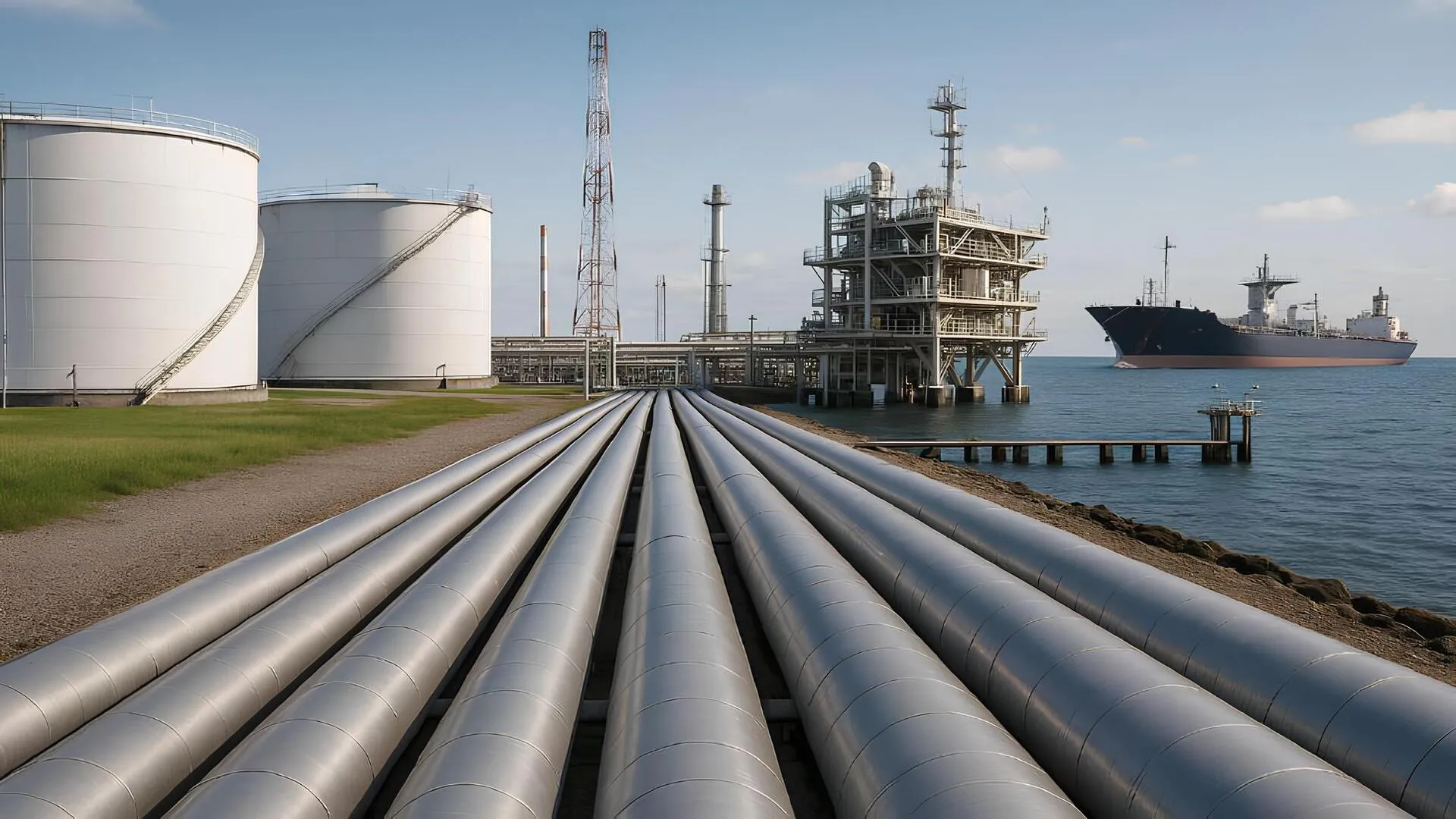
Energy infrastructure sits at the intersection of global supply chains and sustainability goals. Tanks and terminals serve as gateways for energy storage and distribution, midstream systems form the backbone of transport, and offshore facilities anchor critical production. Each segment faces unique challenges and opportunities in the energy transition:
- Tanks & terminals: Increasing demand for biofuels, hydrogen, and synthetic fuels requires terminals to adapt storage capacity and safety systems. Flexible tank designs, corrosion-resistant materials, and advanced monitoring are becoming standard requirements.
- Midstream: Pipelines are being repurposed to transport cleaner fuels, including hydrogen and carbon dioxide, for sequestration. This repurposing lowers costs compared to building entirely new infrastructure and accelerates decarbonization timelines.
- Offshore: Platforms are testing hybrid power systems that integrate wind, solar, and hydrogen fuel cells. These reduce reliance on diesel generators and lower emissions in high-risk environments.
These assets can no longer be viewed solely as hydrocarbon enablers. With the right strategy, they can become catalysts for sustainable growth and competitive differentiation.
Managing the transition: Key strategies for operators
Infrastructure repurposing and flexibility
The ability to repurpose infrastructure is a hallmark of successful transition management. For example, natural gas pipelines can be adapted for hydrogen blending, while terminals can be retrofitted to store ammonia or CO₂. Flexibility in design ensures facilities remain relevant as demand shifts toward low-carbon fuels.
Integration of renewable energy and digital systems
Offshore facilities and terminals are increasingly incorporating renewable power systems. Digital twins, IoT sensors, and AI-driven analytics allow operators to model scenarios, predict maintenance needs, and optimize energy usage. This reduces downtime and supports emissions reporting demanded by regulators and investors.
Collaboration across the value chain
Managing the transition requires collaboration among operators, regulators, and technology providers. Joint industry projects for carbon capture, hydrogen corridors, and renewable integration can lower risk while accelerating deployment. Shared infrastructure models such as CO₂ hubs or multi-fuel terminals demonstrate how collective investment can maximize returns.
Regulatory alignment and ESG integration
Companies must align operational changes with environmental, social, and governance (ESG) goals. Clear ESG narratives not only reduce reputational risk but also attract capital. As investors scrutinize carbon intensity and operational sustainability, integrating transition strategies into corporate governance is essential.
Workforce reskilling and safety management
Transitioning infrastructure involves new risks, from handling cryogenic hydrogen to operating high-pressure CO₂ pipelines. Investing in workforce training ensures safety standards are maintained while fostering employee buy-in for innovation.
Opportunities for tanks and terminals
The transition unlocks significant opportunities for tanks and terminals:
- Biofuel storage: As global mandates for renewable diesel and sustainable aviation fuel increase, terminals capable of handling diverse blends gain competitive advantage.
- Hydrogen and ammonia hubs: Hydrogen and ammonia require specialized storage systems. Forward-thinking operators can position themselves as regional hubs for future fuel distribution.
- Carbon capture interfaces: Terminals connected to industrial clusters can become critical collection points for CO₂, linking emitters to sequestration sites or offshore storage reservoirs.
By investing early, terminals can transform from single-fuel storage assets into multi-energy gateways, anchoring their relevance in the next energy era.
Opportunities for midstream pipelines
Pipelines represent both risk and reward in the transition:
- Hydrogen blending: Early blending strategies of 5 to 20 percent hydrogen in natural gas offer a pathway to gradual decarbonization while utilizing existing pipeline networks.
- CO₂ transport: Carbon capture and storage (CCS) projects rely on midstream infrastructure to transport CO₂ safely to geological reservoirs. This creates a new business line for operators.
- Digital leak detection: Advanced monitoring technologies enable operators to minimize methane emissions, satisfying regulatory requirements and reinforcing ESG commitments.
The midstream sector, traditionally conservative, can redefine its role by positioning pipelines as enablers of a green energy economy.
Opportunities for offshore facilities
Offshore platforms are uniquely positioned to embrace innovation:
- Hybrid power models: Incorporating offshore wind and solar reduces reliance on diesel, cutting costs and emissions.
- Floating carbon capture: Emerging technologies allow platforms to capture CO₂ directly at source, reducing offshore emissions footprints.
- Hydrogen production at sea: Using offshore wind to power electrolysis creates green hydrogen directly at production sites, opening export opportunities for countries with high renewable potential.
By integrating renewables and digital controls, offshore operators can reduce operational risks while future-proofing assets.
Case studies: Energy transition in action
- Netherlands hydrogen terminals: Dutch terminals are adapting infrastructure for ammonia imports, demonstrating how ports can become gateways for hydrogen economy growth.
- U.S. gulf coast CCS pipelines: Major midstream players are building CO₂ pipelines to link industrial emitters with sequestration hubs, transforming traditional hydrocarbon corridors into decarbonization backbones.
- North Sea offshore wind-powered platforms: Operators are connecting platforms to offshore wind farms, reducing fuel consumption by up to 70 percent and lowering maintenance costs associated with diesel logistics.
These case studies prove that innovation in tanks, terminals, midstream, and offshore is not theoretical. It is already underway.
Challenges and future directions
Despite the opportunities, operators face challenges:
- High upfront costs: Retrofitting infrastructure requires significant capital expenditure.
- Technical hurdles: Hydrogen embrittlement, CO₂ corrosion, and cryogenic storage demand new materials and engineering practices.
- Policy uncertainty: Regulatory frameworks for carbon pricing, hydrogen certification, and cross-border energy trade remain fragmented.
Future directions include stronger global collaboration, accelerated innovation in materials science, and integration of digital platforms for cross-sector optimization. Companies that embrace these trends will be positioned as leaders in the evolving energy landscape.
Conclusion
The energy transition is no longer a distant vision. It is a present reality reshaping every facet of the energy value chain. Tanks, terminals, midstream pipelines, and offshore platforms hold the keys to unlocking new business models, enhancing resilience, and securing competitive advantage.
Managing this transition requires foresight, flexibility, and a willingness to collaborate across sectors. Operators who act decisively will not only comply with global decarbonization goals but also generate long-term profitability and relevance in a rapidly changing world.
The question for the industry is no longer if these assets should evolve, but how quickly they can adapt to seize the opportunities ahead.
This article was developed by specialist Malvin Delgado and published as part of the sixth edition of the Inspenet Brief September 2025, dedicated to technical contents of the energy and industrial sector.