
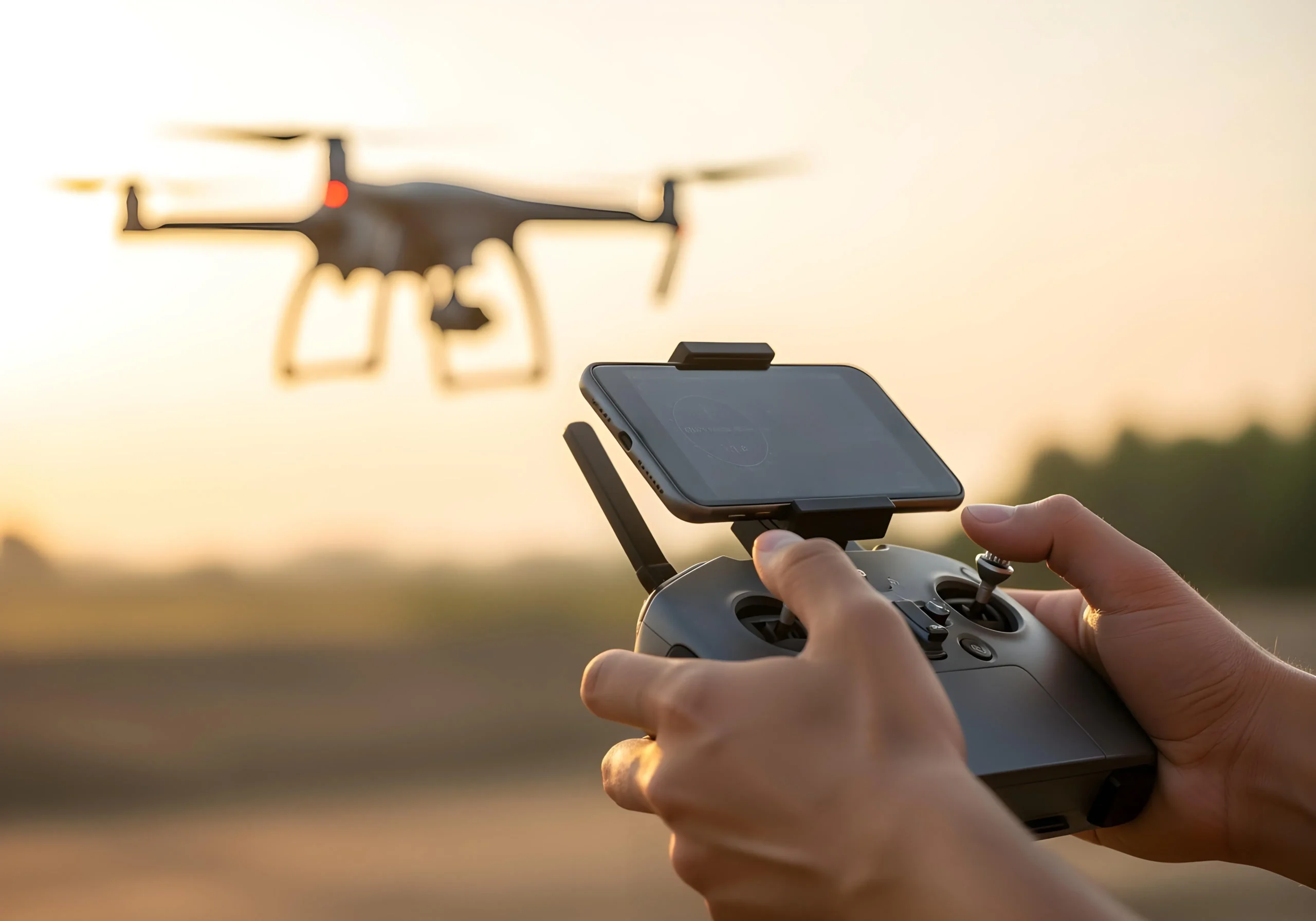
With the second Trump administration, drones are in the spotlight for federal policymakers. President Trump has already called for the nation to embrace the use of drones in private industry.
While there are undoubtedly benefits to drone usage, there are considerable concerns that must be addressed by the White House, Congress, and the various federal agencies to protect the nation’s critical infrastructure from bad actors.
Bulk liquid terminals, as the primary midstream storage node for bulk goods like petroleum products, chemicals, asphalt, agricultural products like molasses, and beyond, house critical resources as they make their way through the supply chain from producer to end-user. As such, they are a potential target for would-be bad actors and must constantly be monitored for any deviation from their normal operation.
How drones enhance security and operations at terminals
The primary benefits of drones in these facilities are improving overall security and safety, such as allowing blind spots and traffic flow to be easily monitored. Their remotely accessed footage and aerial maneuverability give terminal operators enhanced viewpoints quickly and efficiently. Drones can reach storage tanks, pipelines, and conveyor belts for more frequent and accessible inspections. Technology can further support inventory assessment through specialized sensors that accurately monitor inventory levels of bulk materials. Drones likewise provide valuable insight by recording data through thermal imagery and geo-location. Modern drone technologies even include features such as object tracking, loudspeakers, and high-powered lighting.
Furthermore, use of drones can help reduce the number of workers in high-risk areas, serving as an extra layer of safety precaution for staff or any personnel who pass through the facilities. The technology enables supervisors to detect incidents more quickly and foster a safer environment for everyone. With elevated and more efficient routine monitoring, operators are more effectively able to communicate operational disruptions or hazards, allowing staff on-site to respond appropriately. Depending on the type of drones, some may even be able to deliver emergency supplies and assistance to where it is needed.
However, the implementation of drones is not without drawbacks. Given their small and quiet construction, external actors can use drones to monitor a site’s security setup and routines, potentially allowing them to find gaps. The various imaging capabilities of drones can also be used maliciously to understand and target specific products on site, raising a location’s threat factor or contributing to corporate espionage.
Real-world drone incidents targeting infrastructure
In the last few years alone, there have been almost a dozen incidents of outside parties being caught using drones to target critical infrastructure sites. Notably, just in September of this year, a man pleaded guilty to attempting to bomb a power station with an explosive-laden drone near Nashville, Tennessee. Given the sensitive nature of the products bulk liquid terminals handle, the federal government must work to secure the airspace around terminals to prevent such incidents from happening.
Congress recognized the serious security risk posed by drones when it passed legislation directing the Federal Aviation Administration (FAA) to create “flight-restricted zones” around critical infrastructure, including bulk liquid terminal facilities, in 2016. Unfortunately, the FAA has repeatedly failed to meet statutory deadlines. To counter the rising drone threat and protect the nation, the FAA must complete its rulemaking to protect critical infrastructure from unknown drones without further delay.
This article was developed by specialist Jay Cruz and published as part of the seventh edition of Inspenet Brief February 2026, dedicated to technical content in the energy and industrial sector.