
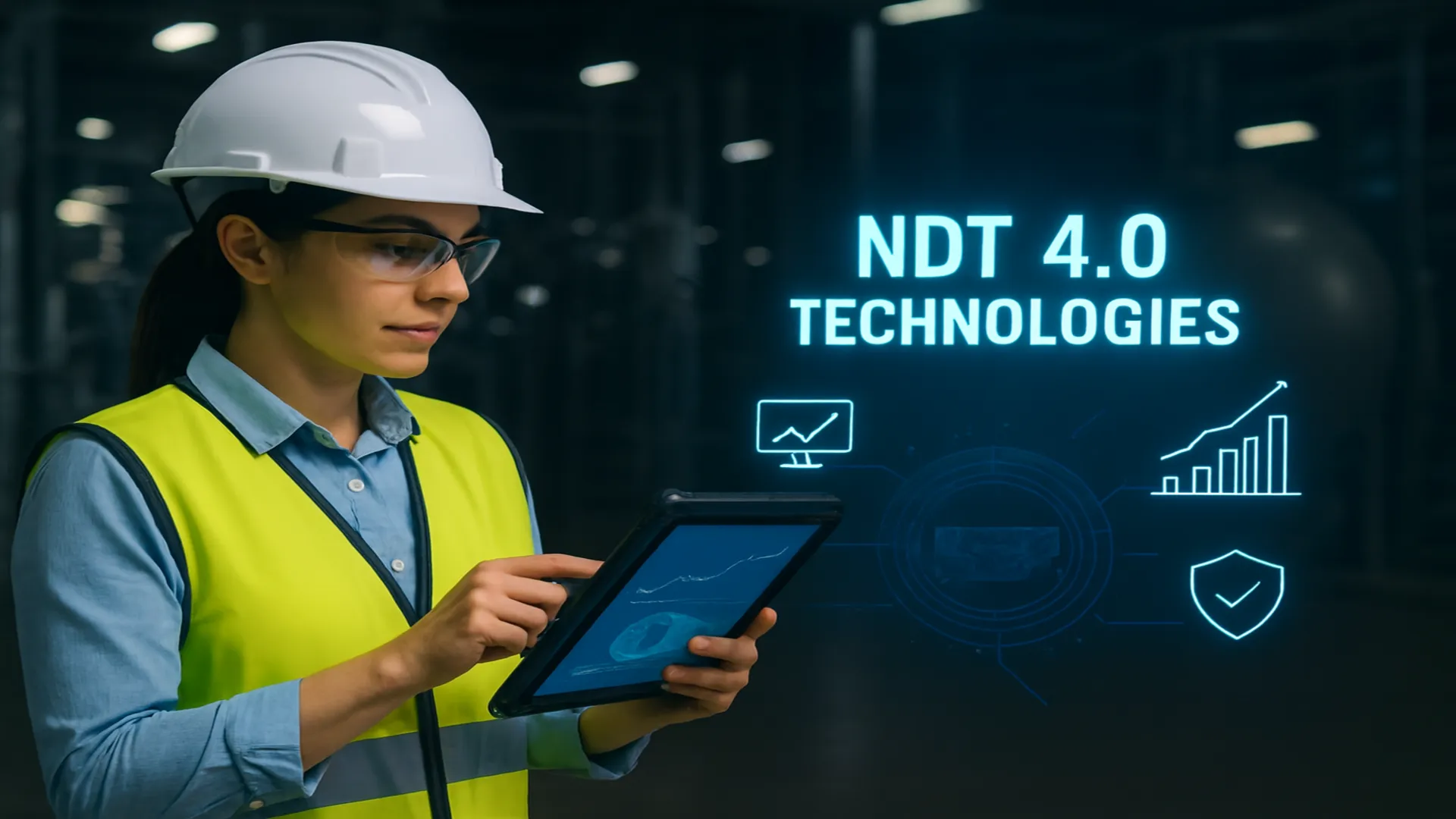
The energy sector is at a defining moment. Aging infrastructure, offshore platforms, pipelines, wind turbines, and emerging renewable technologies demand not only operational excellence but also a firm commitment to safety, reliability, and sustainability. At the forefront of this transformation are NDT 4.0 professionals, experts leveraging digital technologies, robotics, drones, and predictive analytics to revolutionize how energy assets are monitored, maintained, and safeguarded. NDT is no longer just an inspection tool; it has become central to operational strategy, risk reduction, and sustainable growth.
Traditional inspection methods, while reliable for decades, are increasingly insufficient to meet the complexity of modern energy infrastructure. Extreme pressures, corrosive environments, fluctuating temperatures, and continuous mechanical stress make energy systems susceptible to hidden defects. NDT 4.0 represents a complete digital transformation of these traditional approaches. Smart sensors, artificial intelligence (AI), and digital twins allow operators to detect defects invisible to the human eye while delivering actionable insights faster than ever.
Smart sensors and real-time monitoring data
Advanced sensor monitoring is a cornerstone of NDT 4.0. Continuous, real- time monitoring enables detection of all critical damage mechanisms, including environmental cracking, microbiologically influenced corrosion (MIC), high-temperature hydrogen cracking, and potential initiation of cracks. These sensors provide early warnings of emerging risks, allowing energy operators to act proactively before minor damage escalates into catastrophic failure. By continuously tracking stress, corrosion, fatigue, and operational parameters, sensor networks enhance safety, reliability, and overall asset integrity across diverse energy systems.
Predictive maintenance is another transformative feature of NDT 4.0. By integrating data from sensors, AI, and digital twins, energy operators can forecast failures before they occur. This reduces unplanned downtime, optimizes resource allocation, and extends the lifespan of critical components. In a sector where even minor operational interruptions can cost millions and jeopardize environmental safety, proactive maintenance is no longer optional, it is essential. Predictive maintenance also supports sustainability by minimizing waste, energy loss, and the need for premature replacements.
High-precision data capture on inaccessible assets
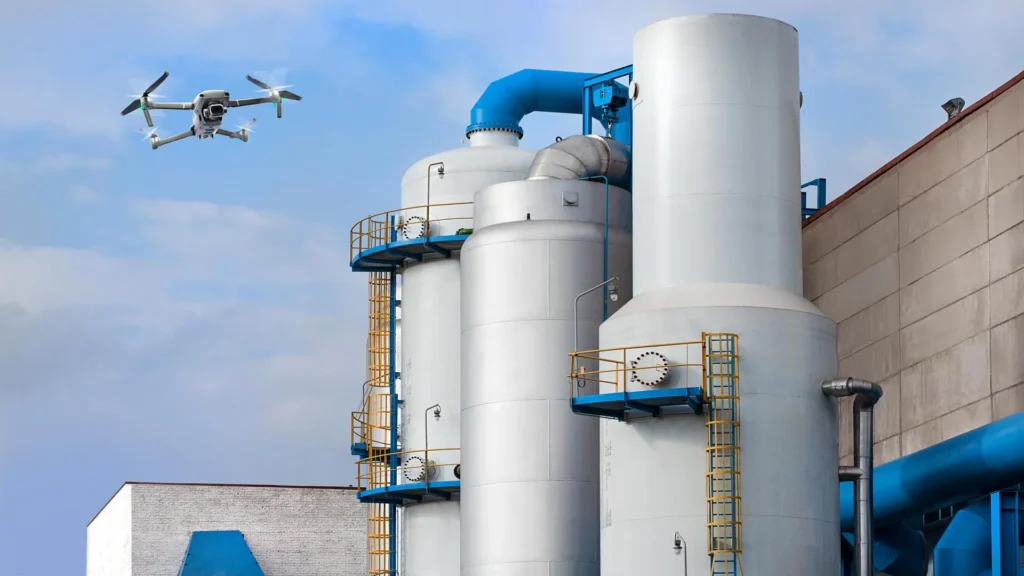
Drones and robotics have redefined inspection safety and reach. Many energy assets, from offshore oil rigs to remote wind turbines, exist in hazardous or inaccessible locations. Robotic systems and unmanned drones can safely navigate these environments, capturing high-resolution images and sensor data without putting human lives at risk. Combined with AI-driven analytics, these technologies allow rapid, accurate evaluation of structural integrity, corrosion, cracks, and material fatigue. Reducing human exposure to dangerous conditions enhances operational safety, efficiency, and reliability.
Digital twins are another powerful tool within NDT 4.0. By creating virtual replicas of physical assets, operators can simulate and monitor real- time performance, predict potential failures, and optimize maintenance schedules. These digital models integrate inspection data, sensor readings, operational conditions, and historical trends to provide actionable insights. Digital twins allow energy companies to visualize emerging risks, including crack initiation, corrosion hotspots, or fatigue accumulation, before they manifest physically, enabling proactive and informed decision-making.
Collaboration and cooperation are essential to advancing NDT 4.0. Energy industry leaders, NDT developers, and advanced NDT professionals must work together to share inspection challenges, validate technologies in real-world environments, and explore innovative solutions. Field validation opportunities are essential for testing robotics, AI systems, and sensors under actual operating conditions, ensuring their effectiveness and reliability. Cooperative efforts bridge the gap between technology development and practical deployment, accelerating the adoption of advanced inspection techniques across the energy sector.
Engagement and communication amplify the impact of these innovations. Open dialogue among energy operators, NDT developers, and professional communities allows challenges to be shared, lessons learned, and best practices disseminated widely. Workshops, joint training programs, and collaborative research initiatives create opportunities for stakeholders to stay aligned on emerging risks, technological advancements, and regulatory requirements. This shared knowledge strengthens the industry’s collective capability, enhances safety, and promotes sustainable operational practices across the energy sector.
Early detection to prevent catastrophic failures
The shift from reactive to predictive and proactive maintenance is perhaps the most transformative aspect of NDT 4.0. Microscopic cracks, early-stage corrosion, and material fatigue, including environmental cracking, MIC, and high-temperature hydrogen cracking, can now be identified long before they escalate into catastrophic failures. This reduces operational risks, prevents environmental hazards, ensures regulatory compliance, and saves millions in unplanned downtime. Extended asset lifespans reduce capital expenditure while enhancing overall operational efficiency.
The synergy of advanced technologies, skilled professionals, and cooperative engagement is vital for driving innovation. When energy operators and NDT developers collaborate, they accelerate adoption of smart inspection systems, improve environmental and safety compliance, and ensure the global energy transition is both safe and sustainable. NDT professionals are no longer just inspectors, they are strategic partners, guiding energy companies through complex operational challenges with intelligence, foresight, and technical expertise.
In conclusion, NDT 4.0 is more than a technological upgrade, it is a strategic enabler for the energy sector. By harnessing AI, digital twins, drones, robotics, predictive analytics, and sensor networks monitoring all critical damage mechanisms, NDT professionals provide safer, smarter, and more sustainable operational practices. Cooperation, field validation, open communication, and engagement opportunities ensure these technologies are effective, reliable, and widely adopted. The future of energy depends on smart inspections, minimized risks, and environmental stewardship, delivered today by the innovation and expertise of NDT 4.0 professionals.
Smart inspections. Safer energy. Sustainable future. Powered by NDT 4.0.
This article was developed by specialist Mohammed A. Abufour and published as part of the seventh edition of Inspenet Brief February 2026, dedicated to technical content in the energy and industrial sector.