
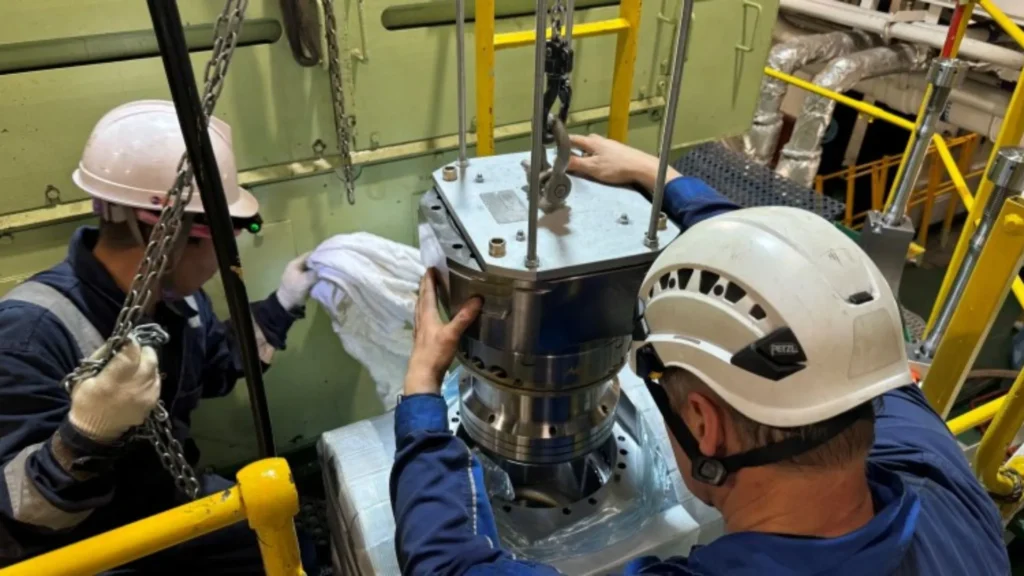
Variable compression ratio as a modernization path to 2030
WinGD drives the modernization of LNG carriers using VCR technology to meet environmental objectives without shutting down operations or replacing current assets.

I am a civil engineer and I work in the writing area. I have a deep passion for civil works. I constantly seek to update myself on new engineering technologies to integrate them into my work, since my main interest is exploring how innovations in the industrial sector can improve and transform the world.
WinGD drives the modernization of LNG carriers using VCR technology to meet environmental objectives without shutting down operations or replacing current assets.
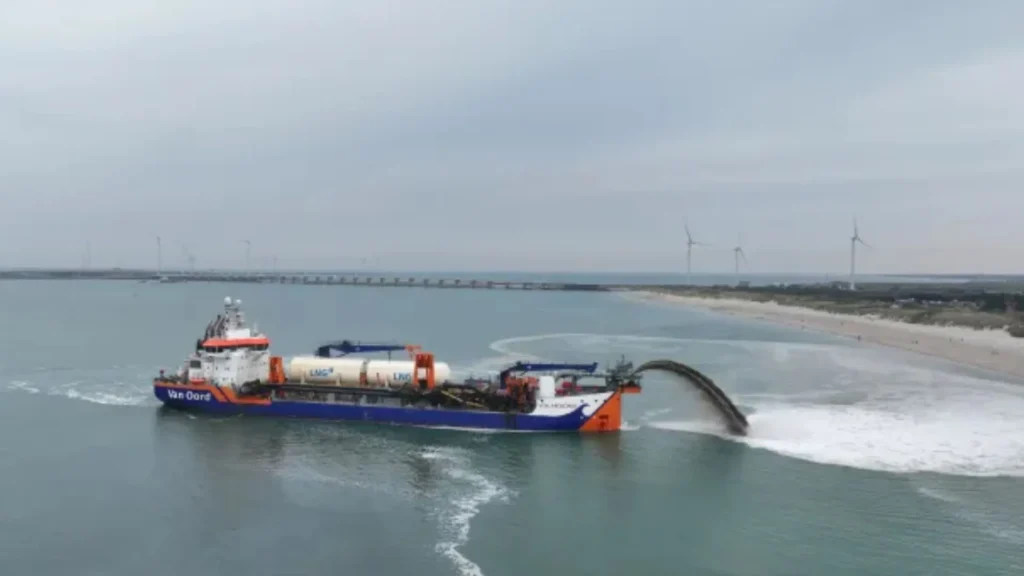
Van Oord completed coastal maintenance in Zeeland using only bio-LNG, marking a technical breakthrough in offshore decarbonization.
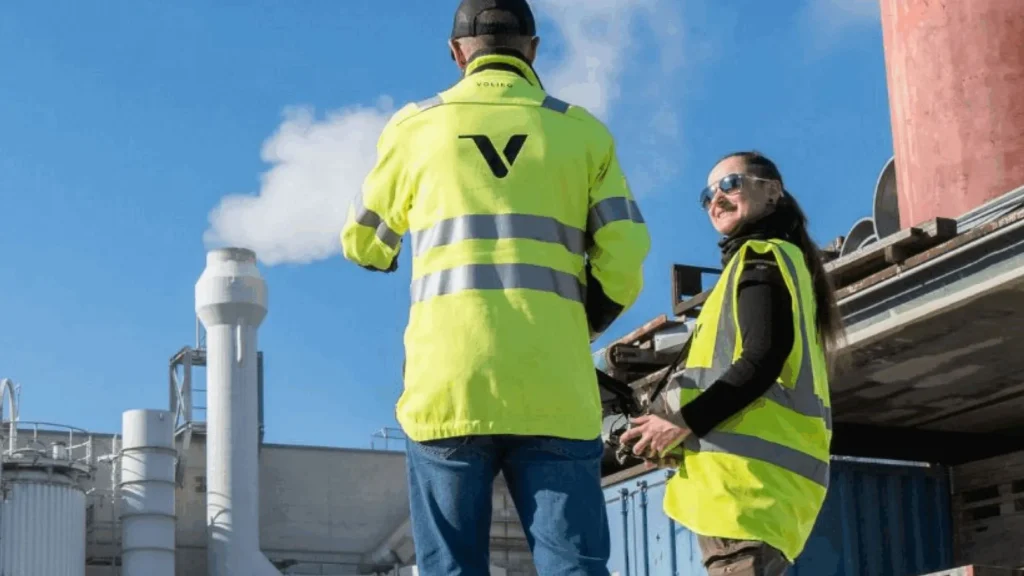
Gas detector drones optimize industrial safety by combining concentration sensors and thermal cameras to identify leaks and prevent risks.
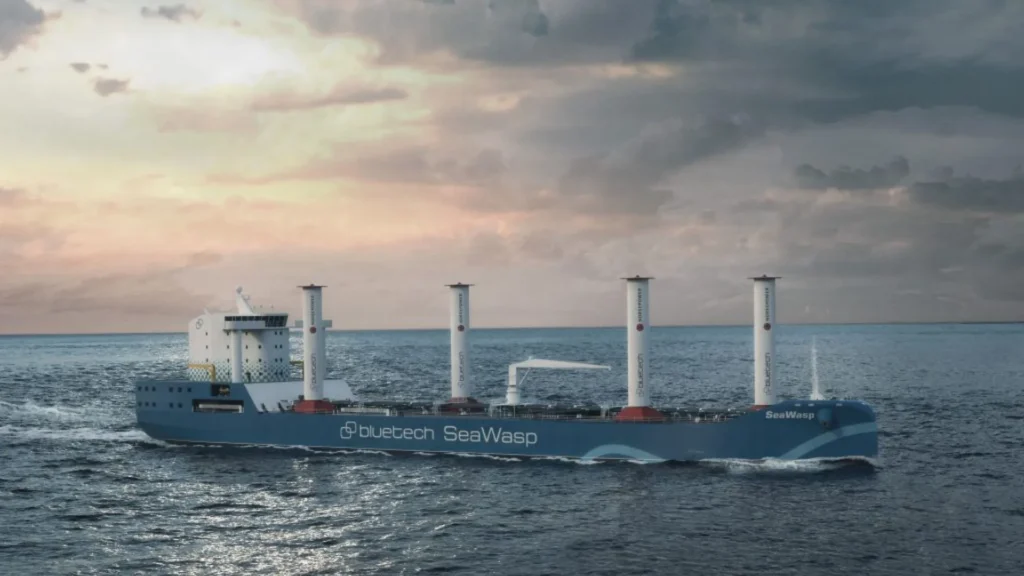
The SeaWasp design proves that wind assistance can be effectively integrated into modern tankers with tangible energy results.
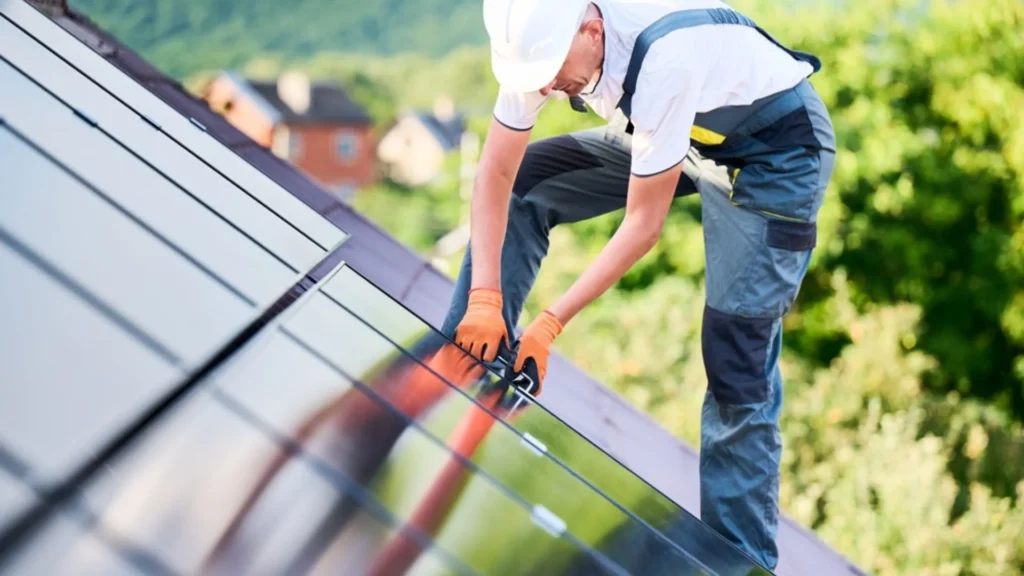
Wood Mackenzie recognizes JA Solar and Trinasolar as the only manufacturers maintaining leadership amid a global loss of $2.2 billion.
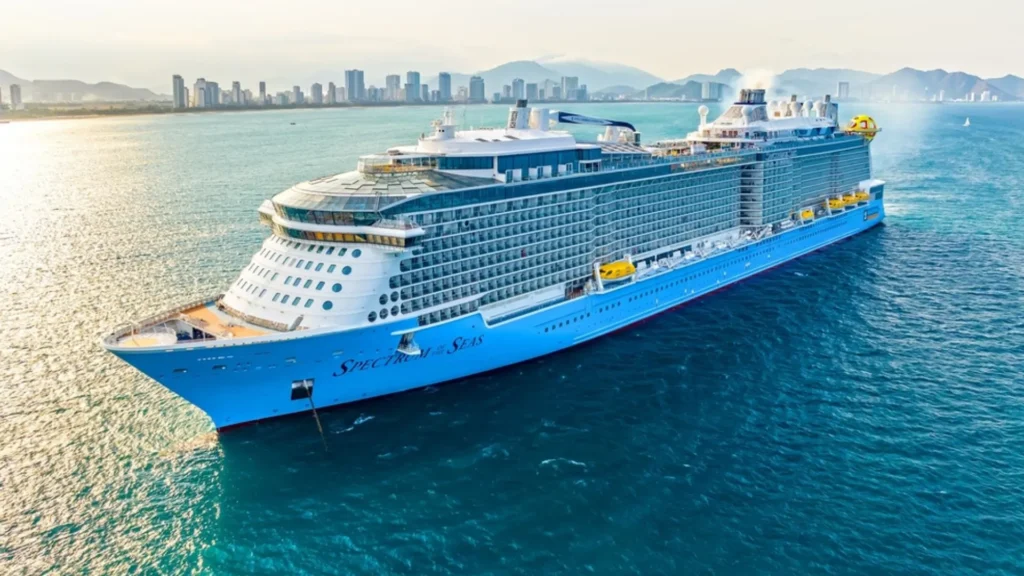
Damen Galati automates its shipbuilding production with Pemamek welding systems and redefines the role of workers in the industry.
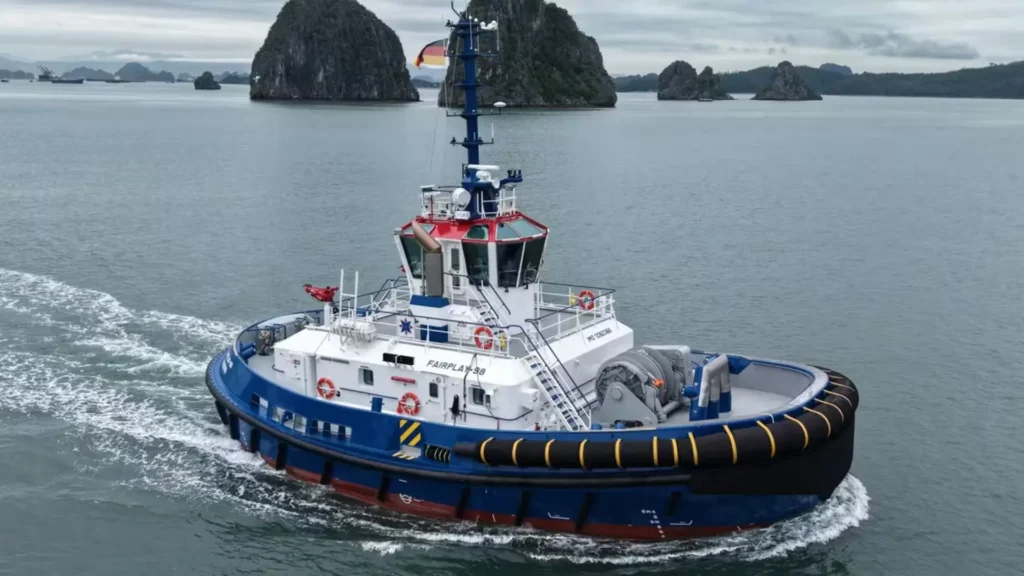
The new tugboats incorporate technology to reduce emissions and noise, meeting the efficiency requirements of international standards.

AIMPLAS proposes to accelerate the degradation of bioplastics using phages and bacteria without modifying the existing treatment infrastructure.
TotalEnergies retains operational control after divesting 50% of 424 MW of renewables to Asterion.
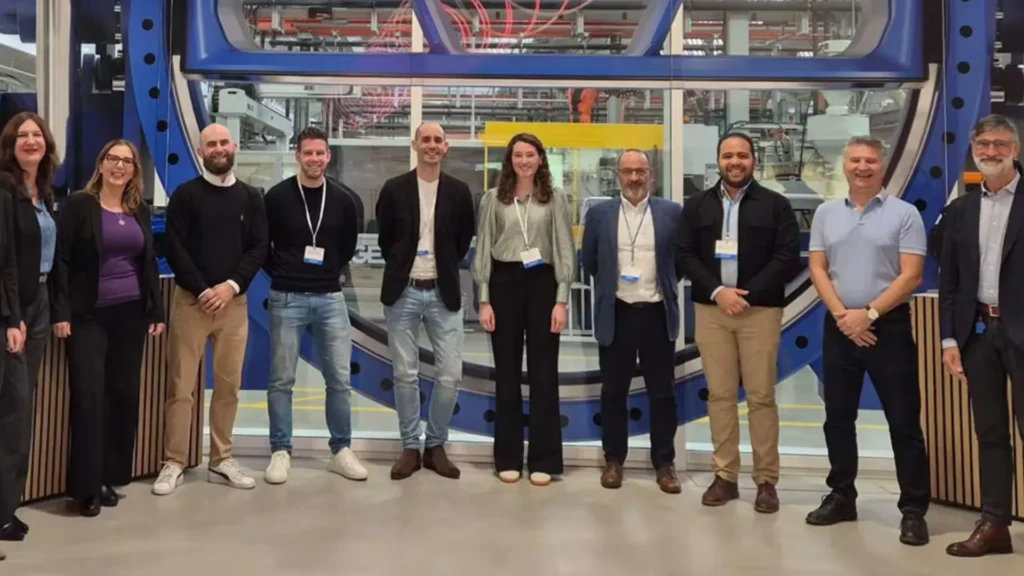
Georg Fischer LATAM will provide key technology and training for the construction of the SIGMA frigate in Colombia.
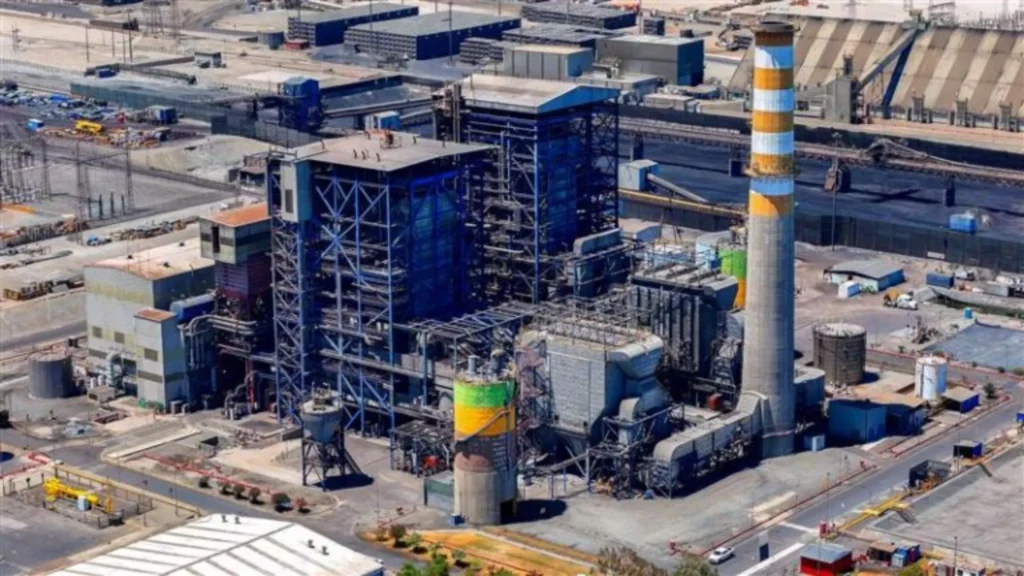
The company retires 711 MW of coal-fired power and begins reconversion of key infrastructure to operate with natural gas in the north of the country.
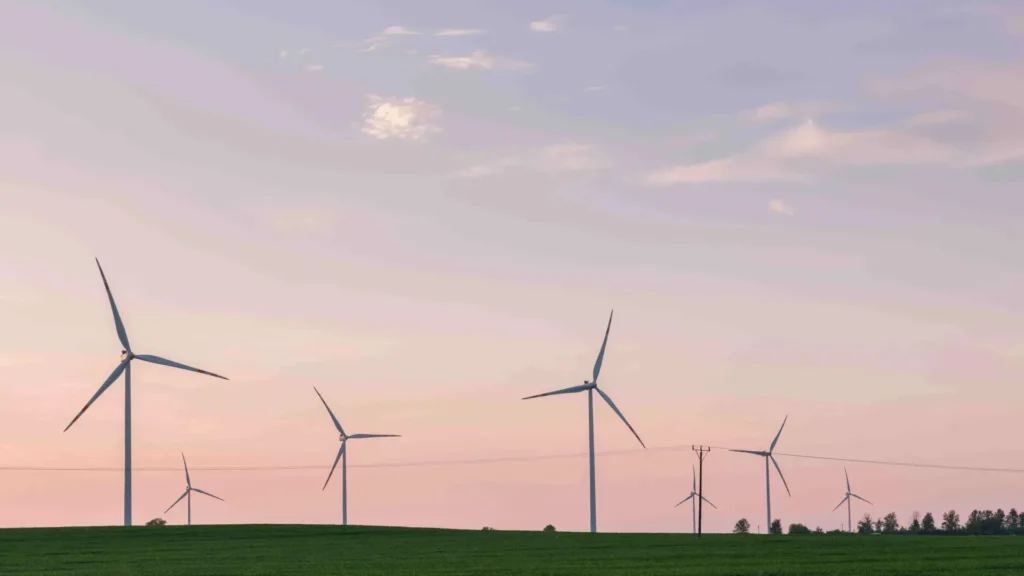
The hybrid agreement between EDP and Energa will make it possible to supply 600 GWh of renewable energy annually and avoid massive CO₂ emissions.