
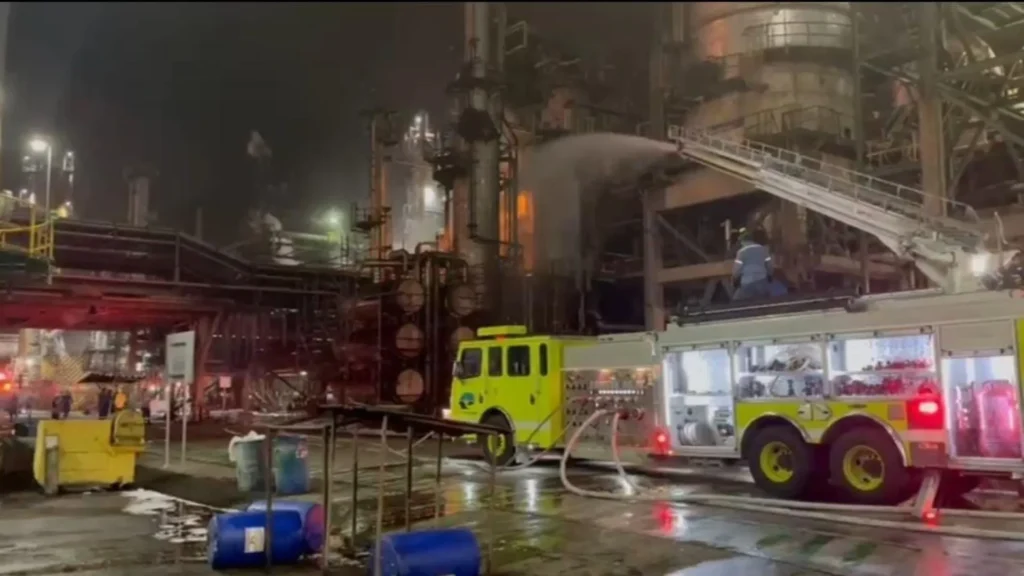
Fire forces production halt at Esmeraldas refinery
Third fire in less than a year forces shutdown of Ecuador's largest refinery while technical evaluation is underway.

I am a civil engineer and I work in the writing area. I have a deep passion for civil works. I constantly seek to update myself on new engineering technologies to integrate them into my work, since my main interest is exploring how innovations in the industrial sector can improve and transform the world.
Third fire in less than a year forces shutdown of Ecuador's largest refinery while technical evaluation is underway.
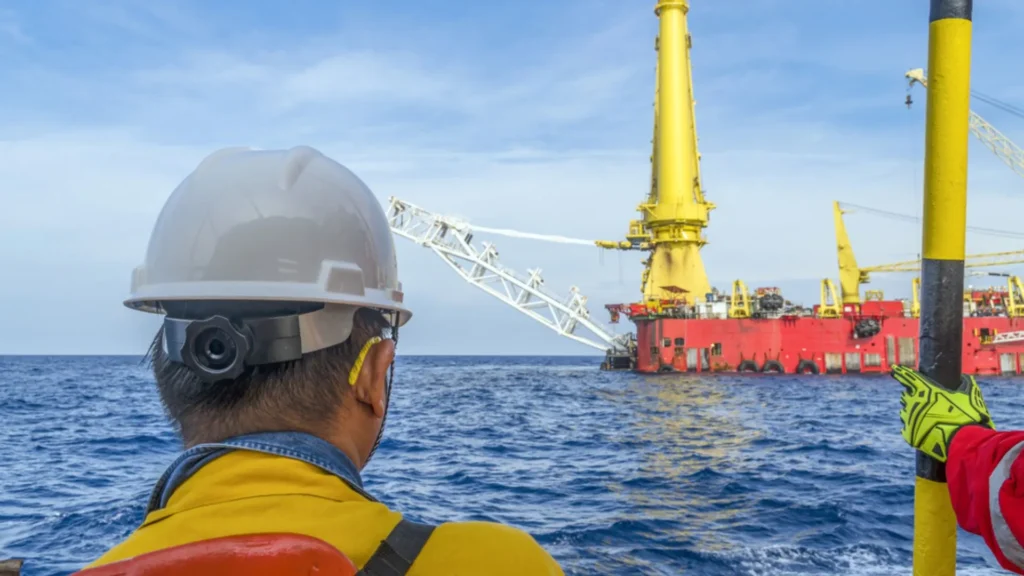
Laide 3D improves accuracy in complex geological zones of the Niger Delta with GeoStreamer technology and advanced velocity models.
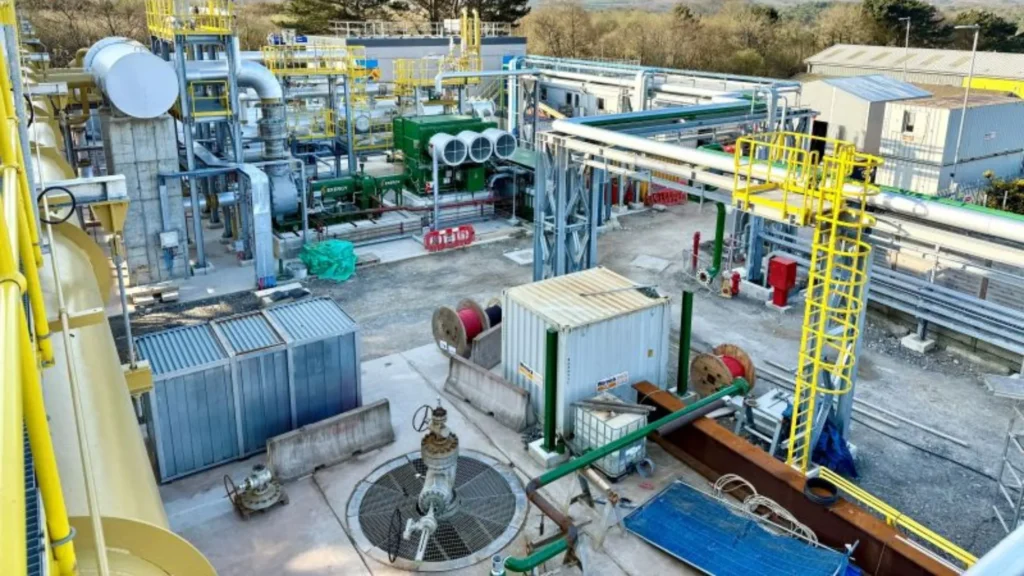
The UK’s first geothermal plant is already producing electricity and sustainable lithium from 5,000 meters underground.
TotalEnergies secures two-decade LNG supply from Alaska, targeting the Asian market with strategic Pacific access.
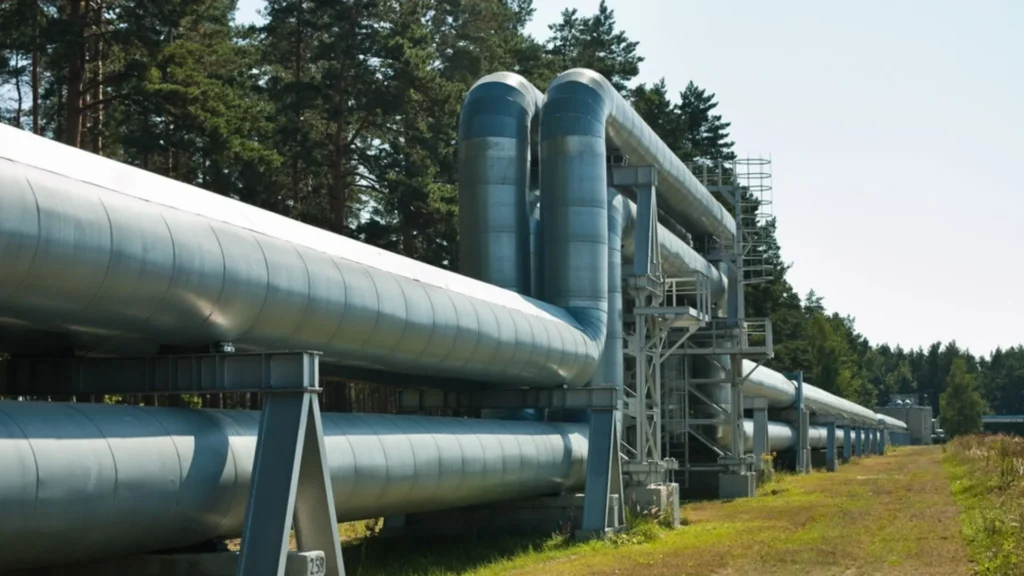
Croatia positions itself as a key energy backstop for Hungary and Slovakia amid the halt of the Russian Druzhba pipeline.
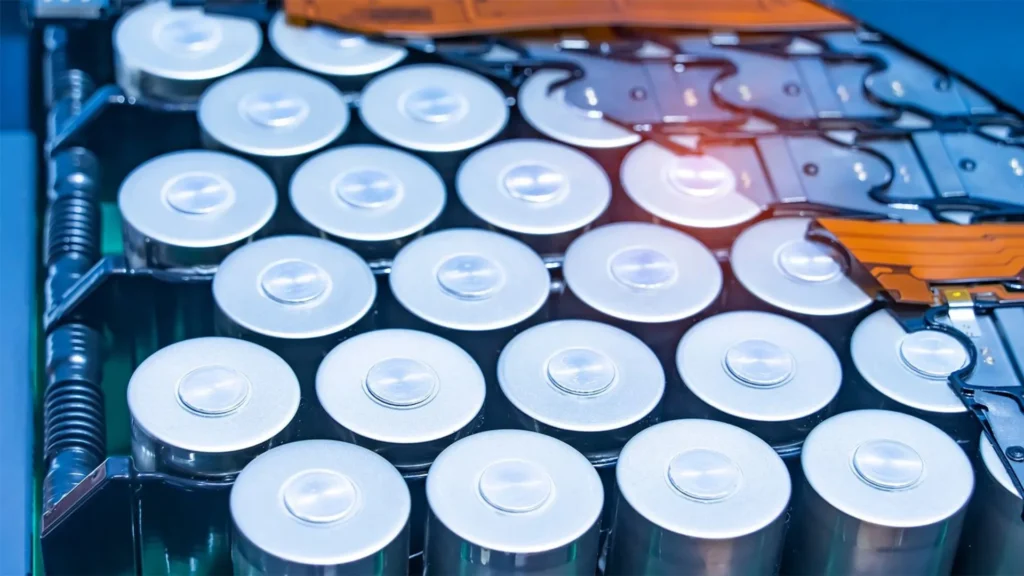
The new manganese-based cathode eliminates the use of cobalt and maintains stability after 500 cycles without capacity loss.
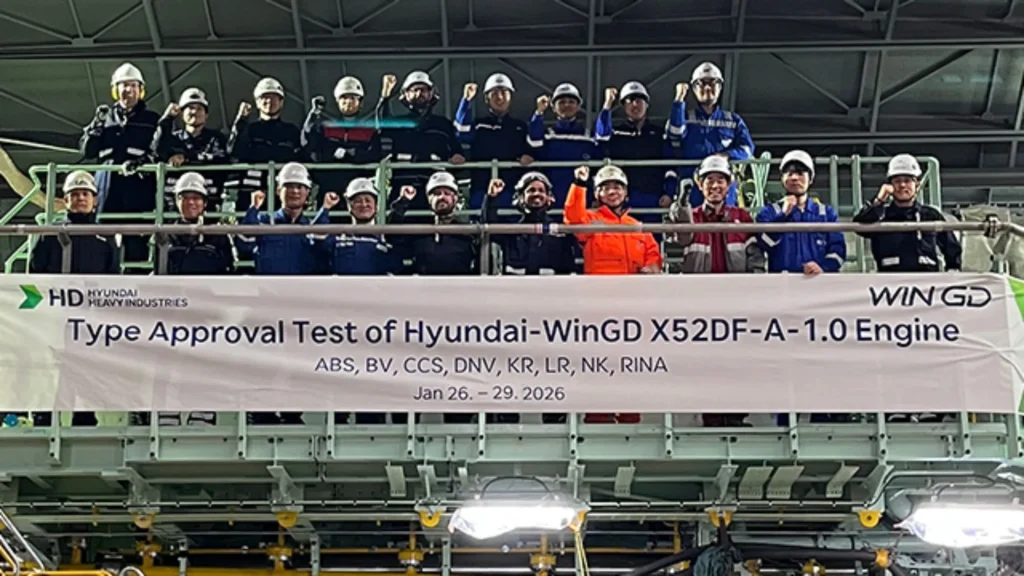
Validated on land, the X52DF-A engine represents a concrete step towards the use of ammonia in commercial vessels with net-zero emissions.
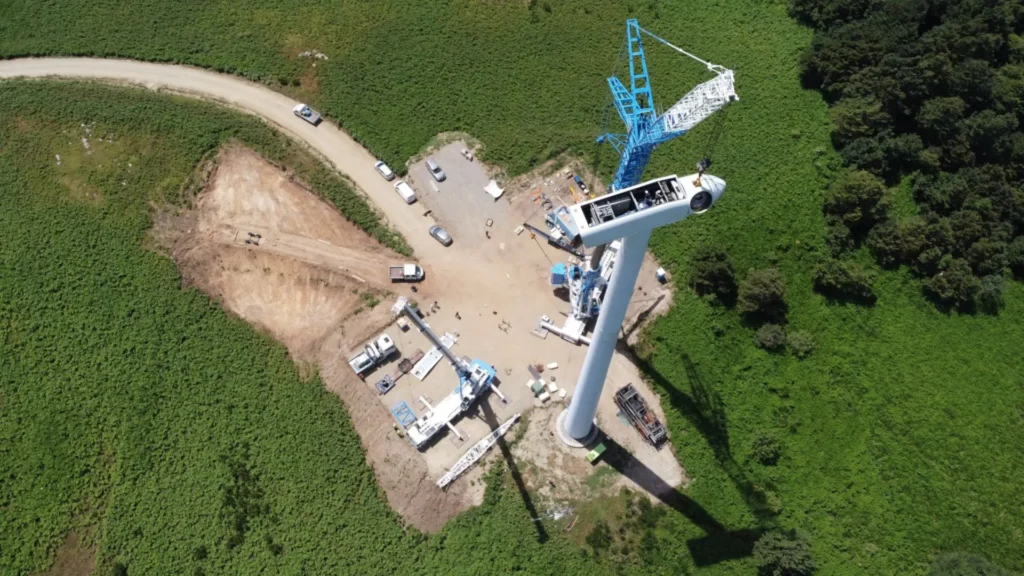
RWE launches 235 MW of wind, solar, and agrivoltaic power in Italy, strengthening its role in the national energy transition.
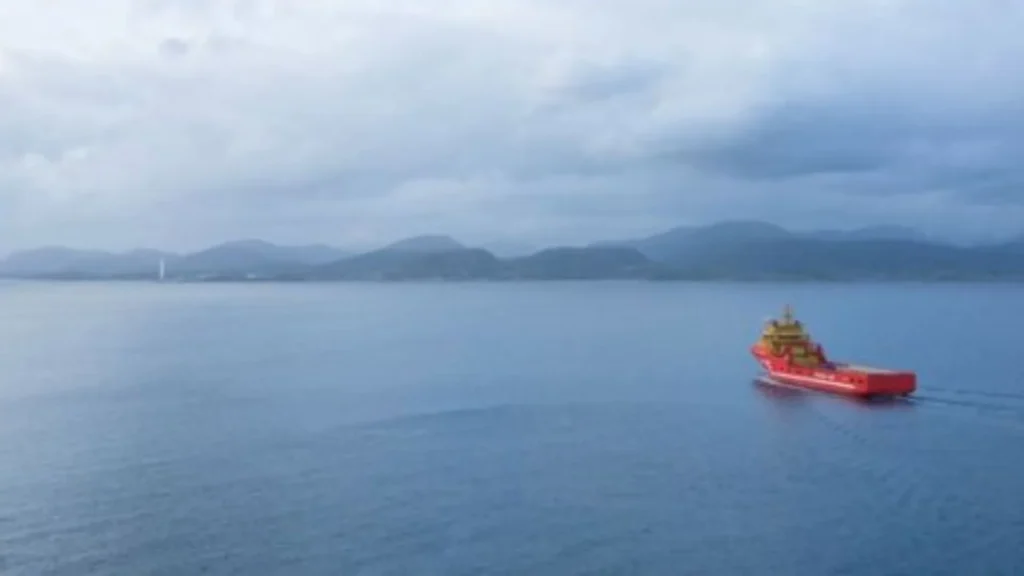
The Viking Energy will be the first offshore supply vessel to operate on ammonia as its primary fuel during real commercial operations.
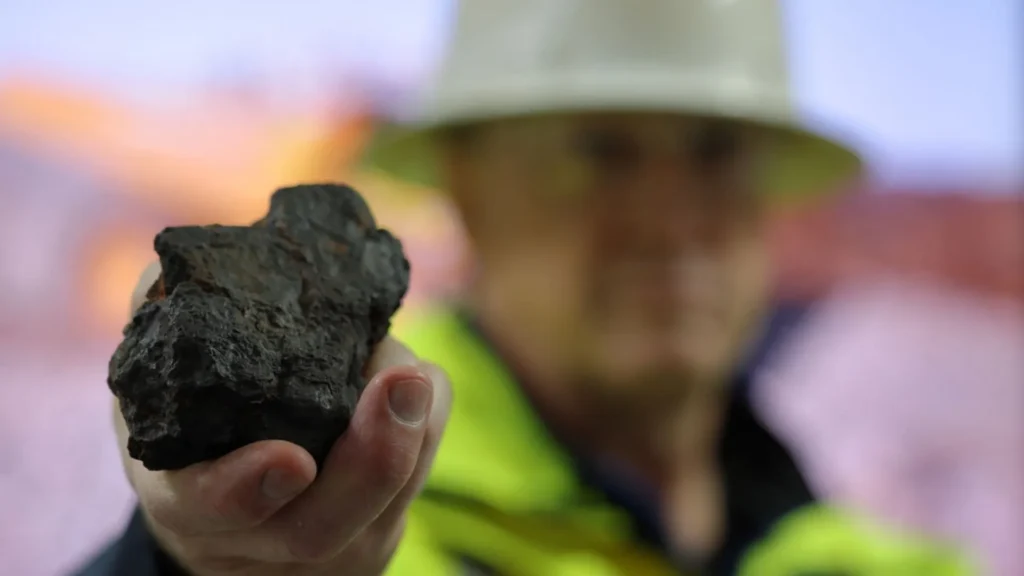
The suspension aims to prevent lithium leaks and mandates local processing to retain value within the supply chain.

Humber aims to lead the British hydrogen network by linking production, storage, and supply for heavy industry and chemicals.
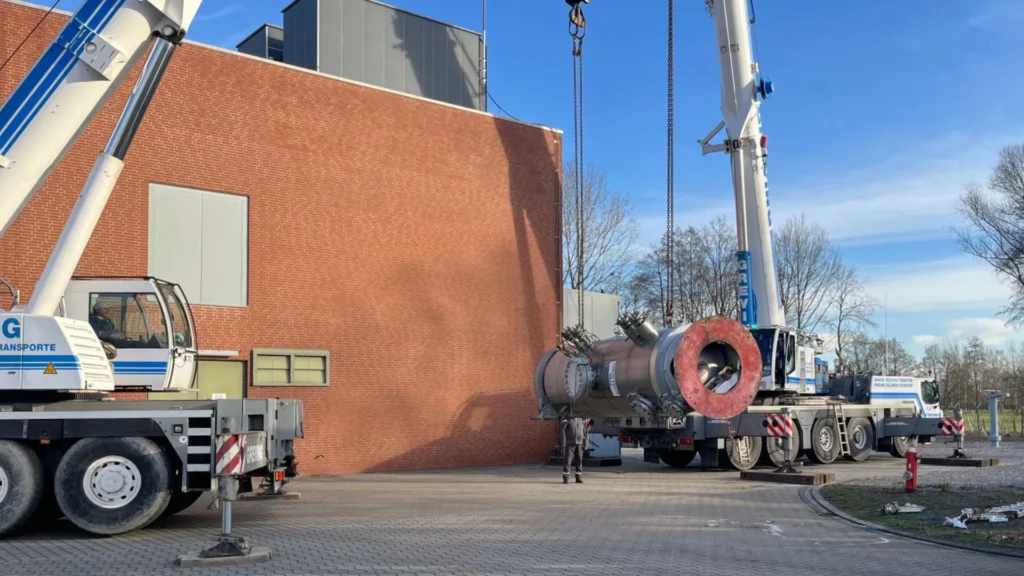
Uniper delivers 200 tons of technical equipment to Ukraine to ensure the operation of its gas storage facilities.