

Coated electrodes: Guide to selection and proper storage
Providing knowledge on the selection, use and storage of coated electrodes in welding.

Mechanical Engineer with experience in the oil and gas sector, has technical skills in static equipment inspection, project control, development of work scopes and quality assurance. Contributes to the exchange of knowledge and best practices by writing technical articles related to the energy sector.
Providing knowledge on the selection, use and storage of coated electrodes in welding.

Reversible polymerization, which allows controlled bonding, has emerged as a promising technology in sustainable energy and material efficiency applications.
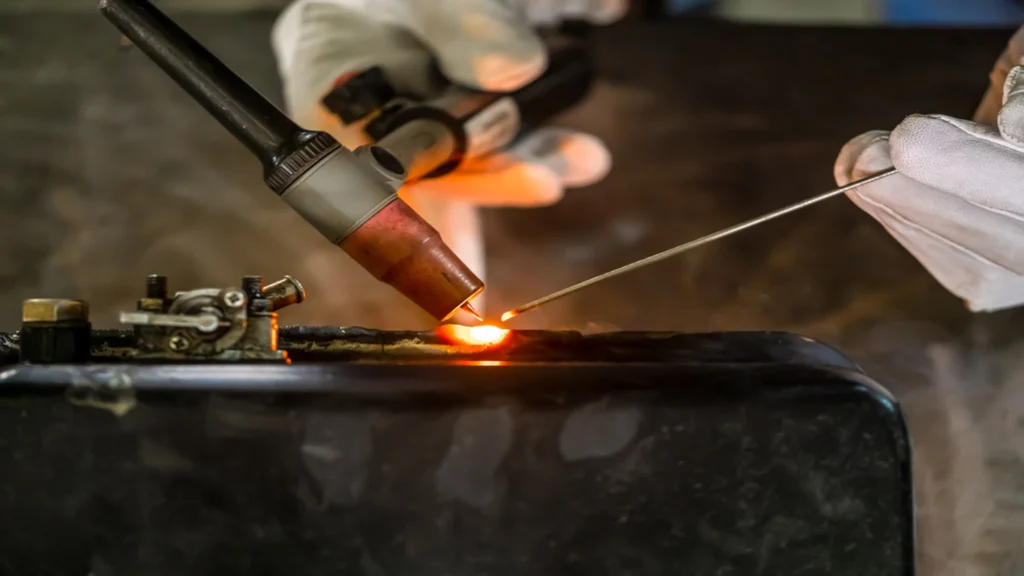
Arc welding is key in industrial sectors due to its precision, speed, and ability to adapt to different materials.

Turnkey construction guarantees full control of the project from design to final handover.
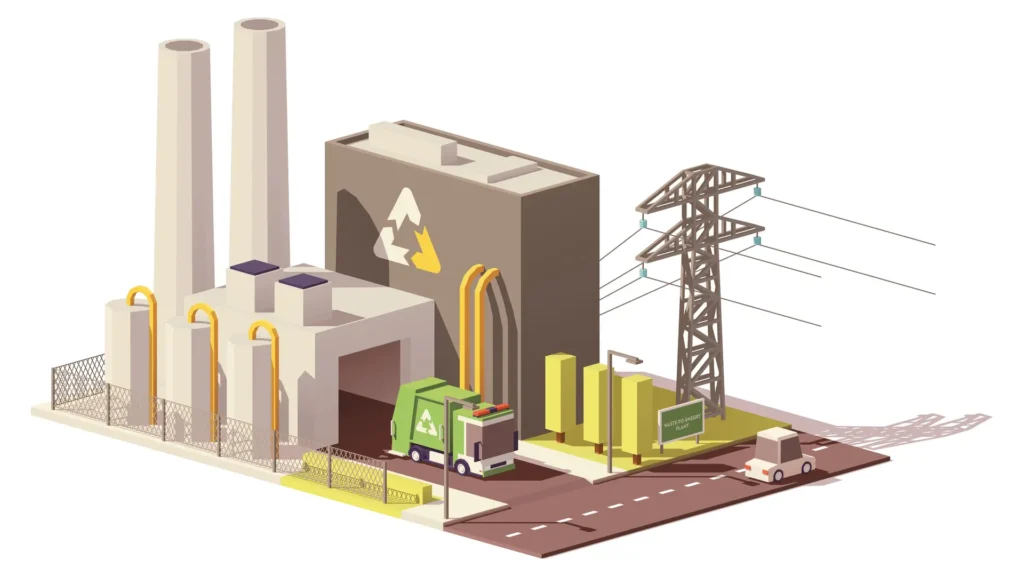
Waste treatment and energy recovery are key to reducing dependence on fossil fuels.
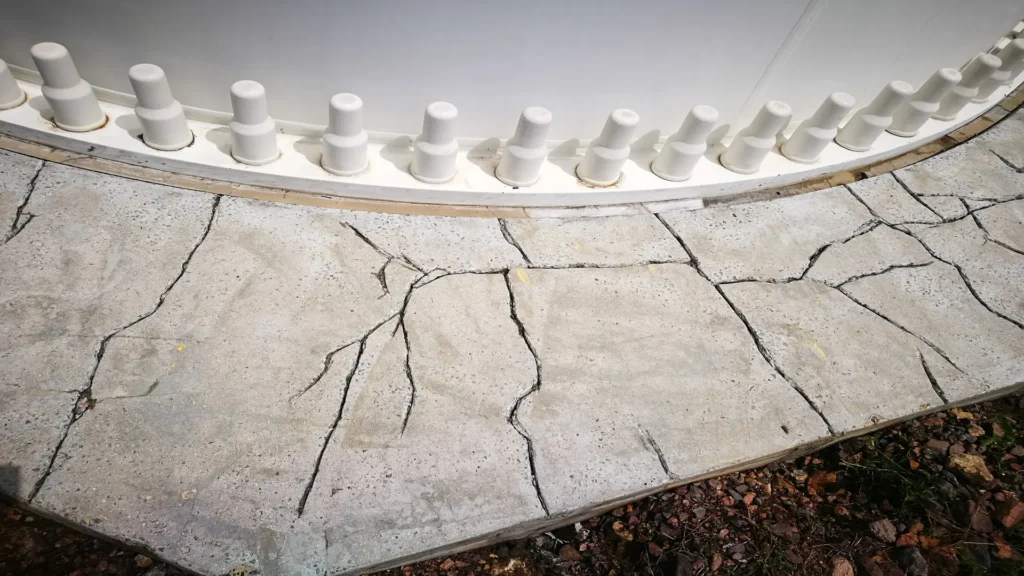
Learn why concrete cracks and the solutions to prevent damage to structures.
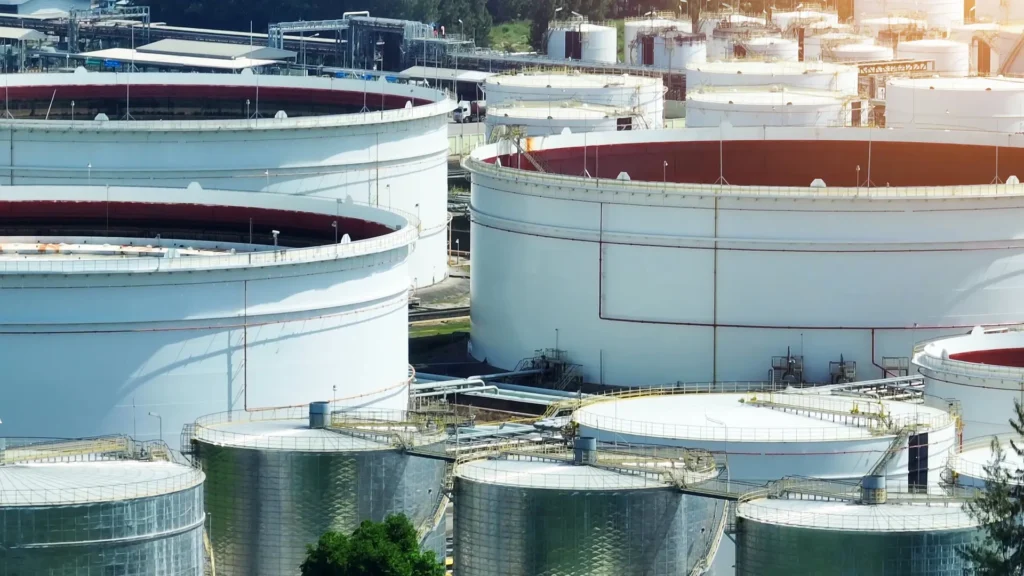
Careful handling of waste in storage tanks is important to avoid environmental and associated risks.

Ammonia is positioned as a promising source of clean energy, driving a renewable and more sustainable future.
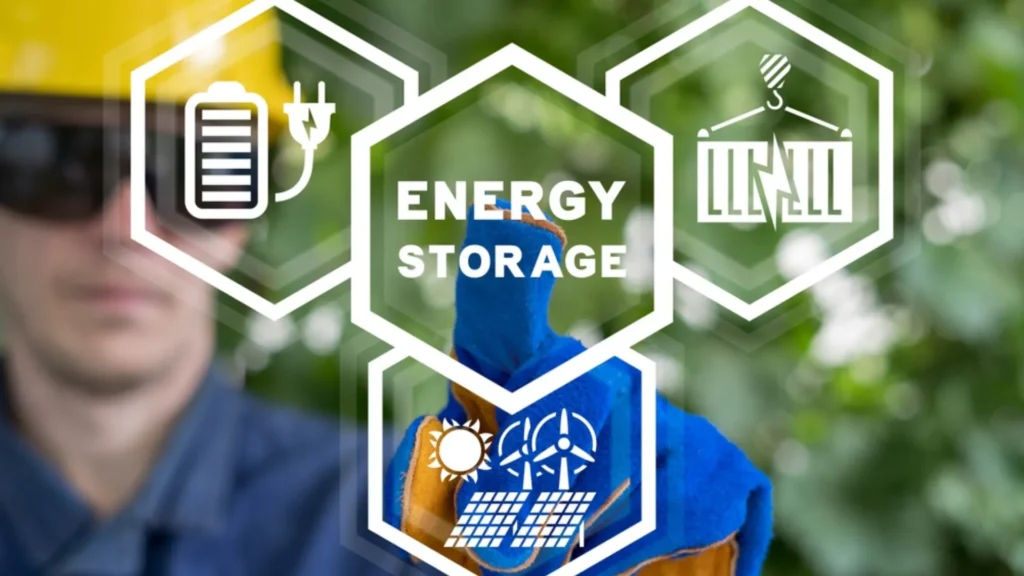
Energy storage is redefining the energy future, reducing the need for fossil fuels.
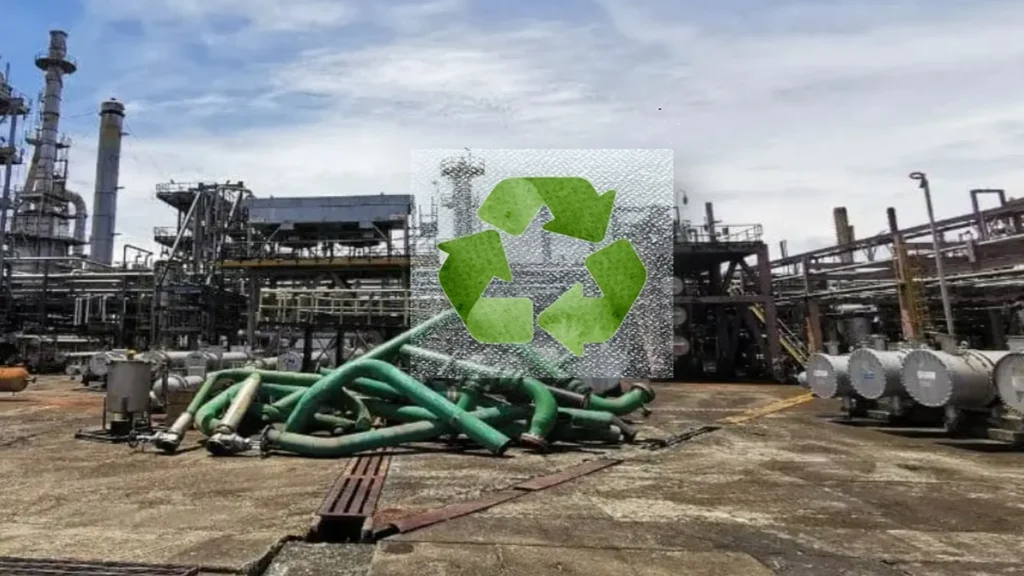
Promoting the integration of the circular economy in industrial dismantling.
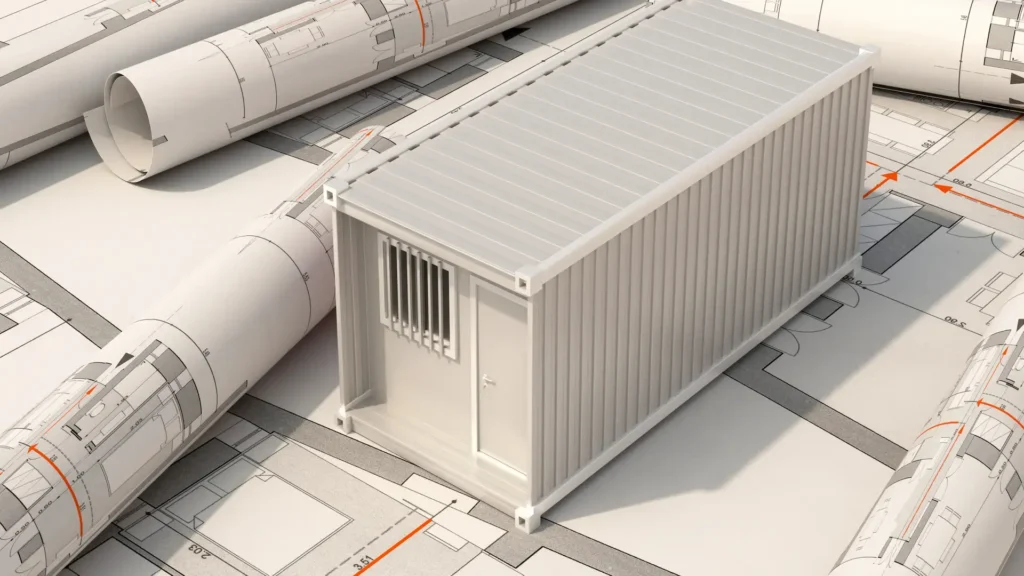
Exploring how modular construction on project efficiency improves the use of time, resources, and sustainability.

Logistics in the energy transition ensures sustainability at every stage of this process.