

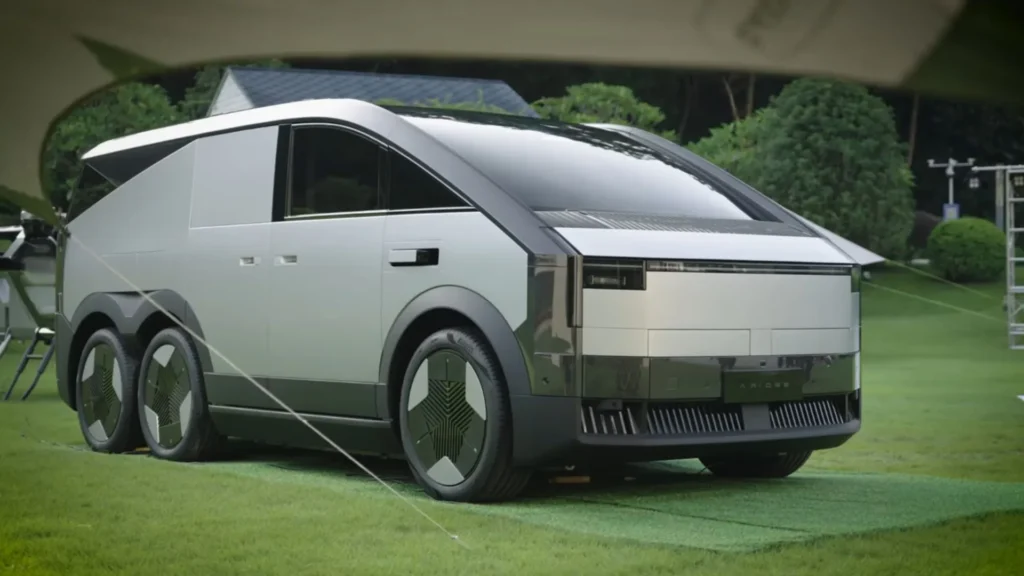
XPENG AEROHT reveals first flight of the “Land Aircraft Carrier” and the X5 eVTOL concept
The Land Aircraft Carrier was designed for off-road applications, and can perform manually controlled or autonomous flights.
The Land Aircraft Carrier was designed for off-road applications, and can perform manually controlled or autonomous flights.

Both associations are working together to use renewable diesel and reduce 6,400 tonnes of CO2e on official hockey team trips.
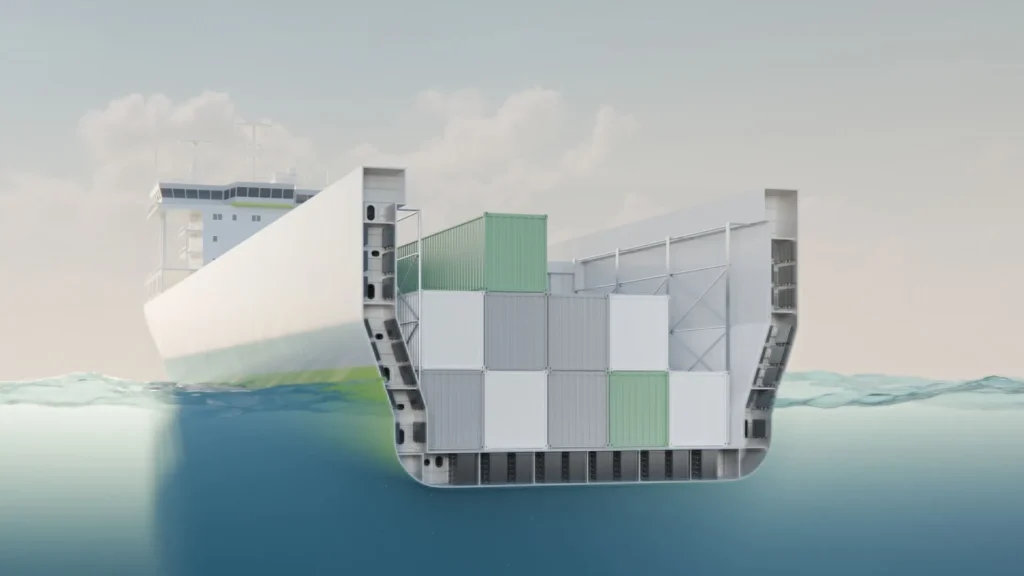
Tesvolt Ocean's "Kaptein" system offers the highest energy density on the market at 246 Wh/L, while taking up minimal space and weighing only 4.83 kg per kWh.
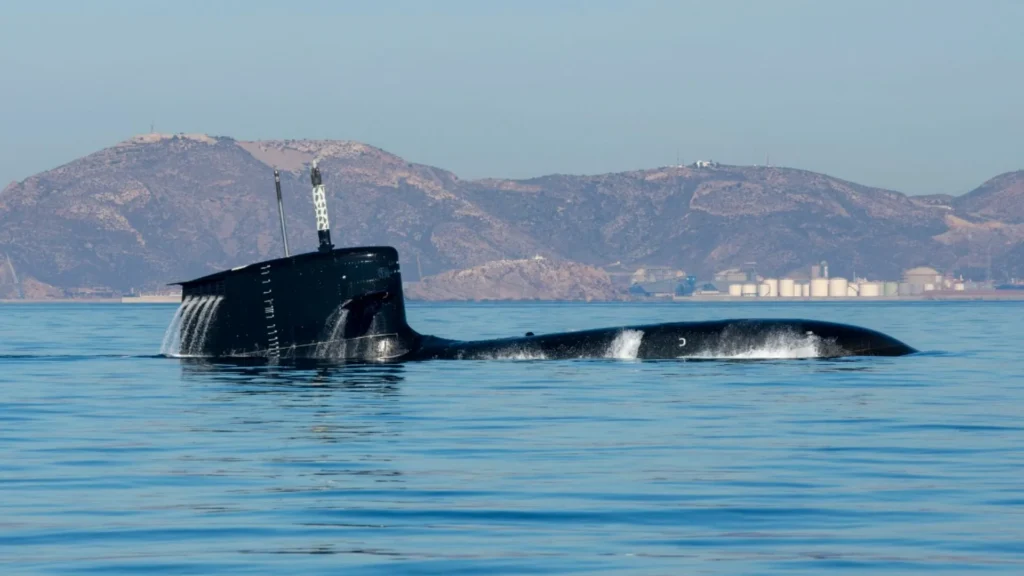
The company expects the unique integration of AIP technology to boost its competitiveness in the global development of defence and maritime transport.
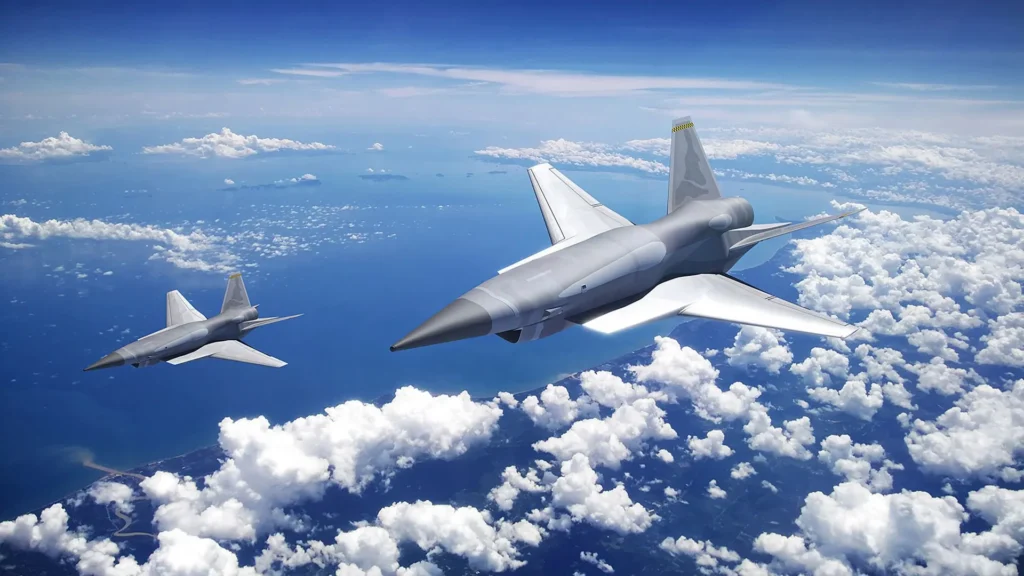
Exosonic has officially announced the closure of its operations after more than five years dedicated to technology development.
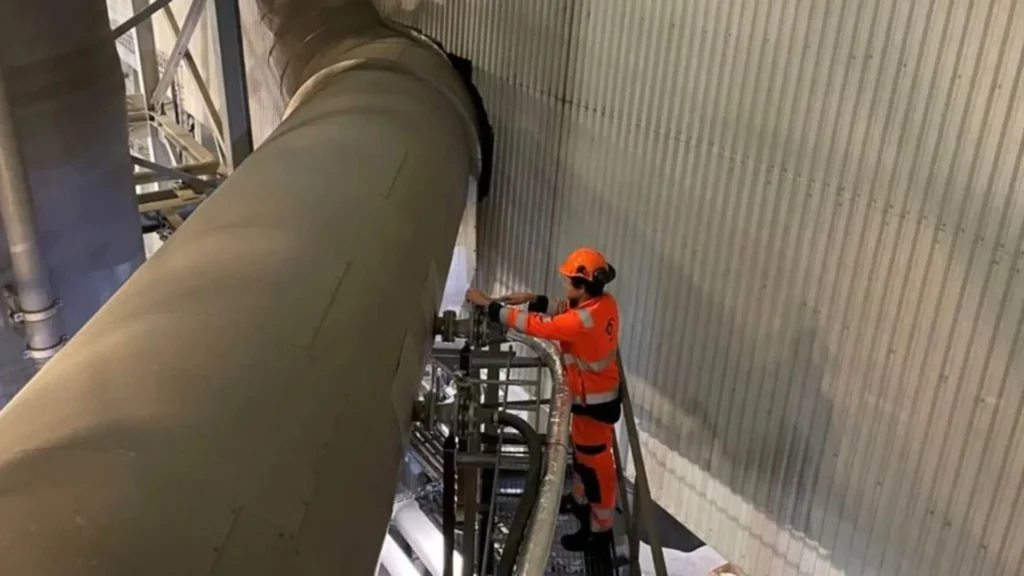
The CSAR system captured CO₂ with successful efficiency during 100-hour tests at the BIR AS plant.

The Abu Marawat concession covers 57.66 km² of land with access to critical infrastructure such as roads, electricity and water, important for future mining operations.
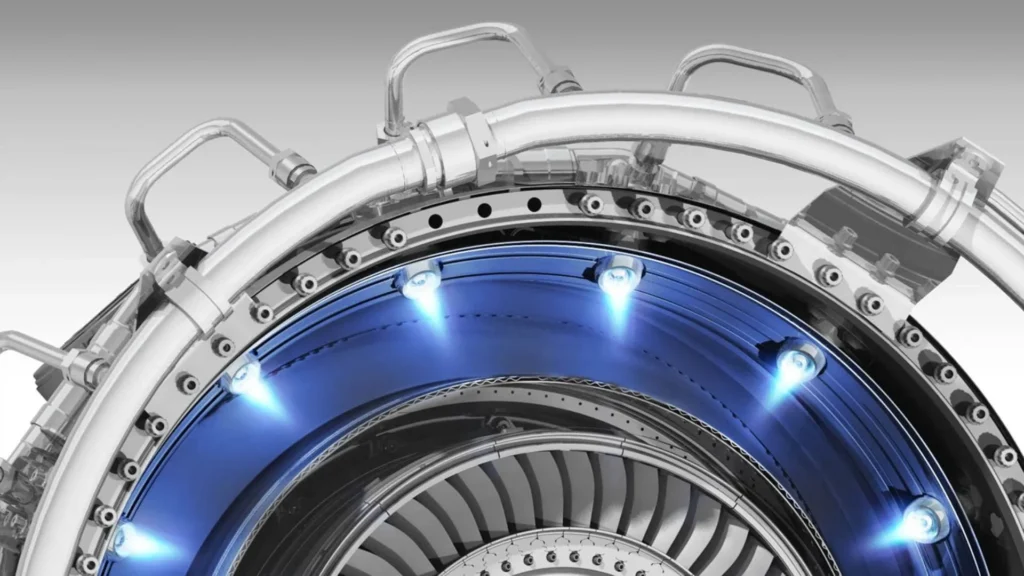
The company tests its PW127XT engine with hydrogen in collaboration with INSAT and Next Hydrogen, promoting efficient and sustainable aviation.
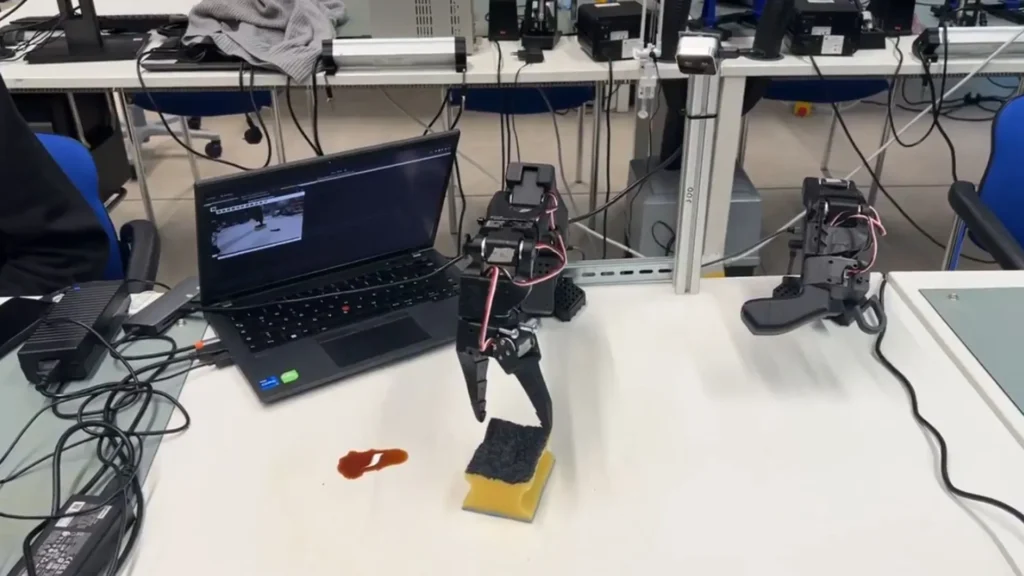
Robotic arms can clean up spills, using the 100 applied demonstrations, using the GTP-40, achieving impressive efficiency.
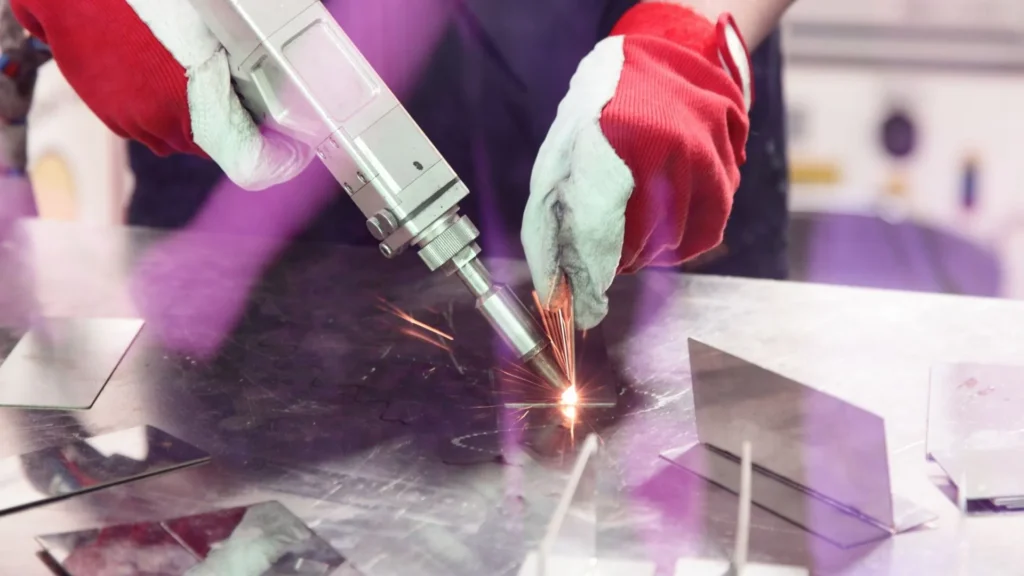
NASA has not conducted welding tests or experiments in space since the Skylab mission in 1973.
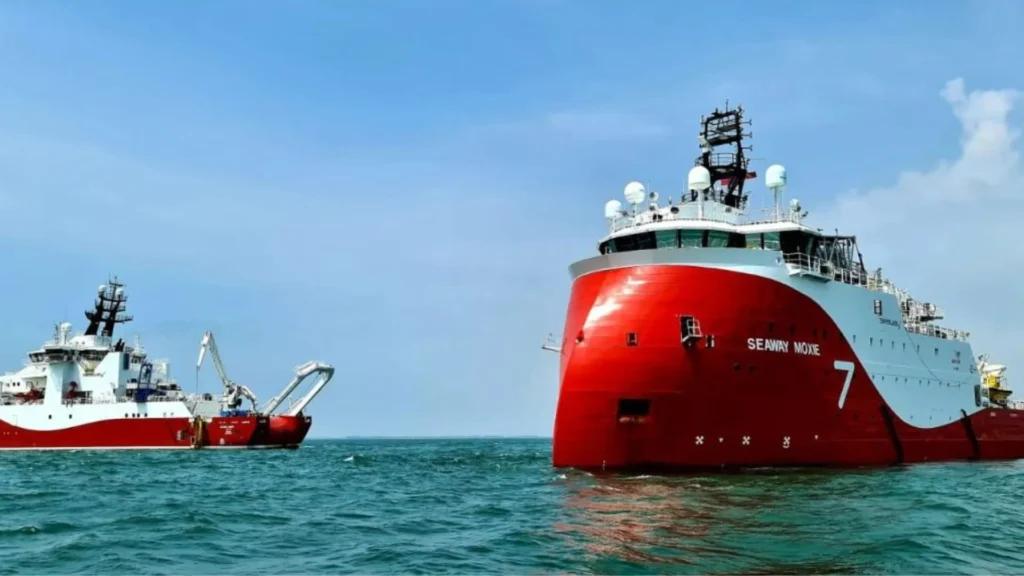
With contracts awarded and marine activities scheduled to begin, the East Anglia TWO project promises to be a key pillar in the UK’s strategy towards a more sustainable future.

The $1.5 billion investment promises to improve the local economy, along with the creation of more than a thousand jobs in Ceará, Brazil.