

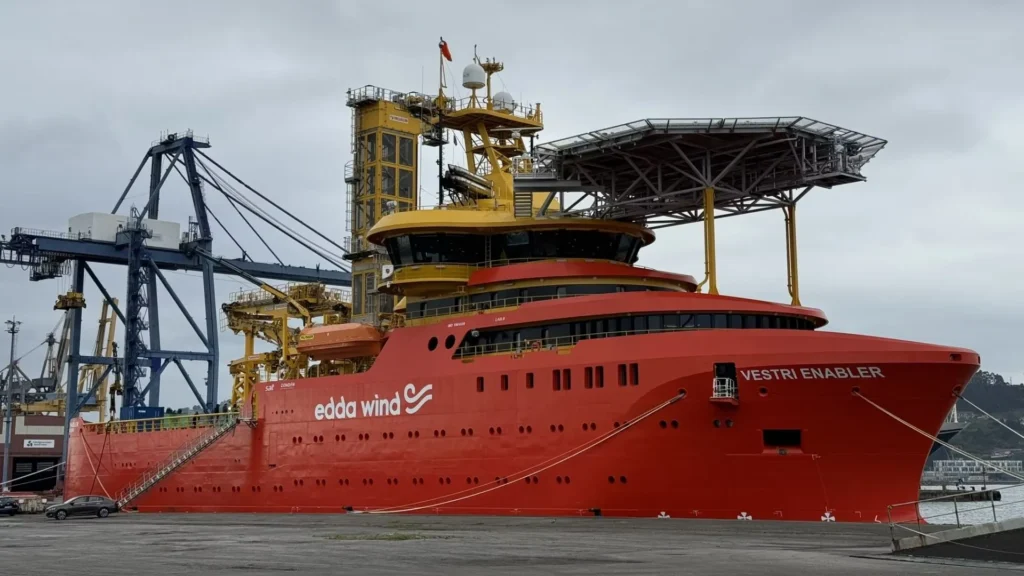
Edda Wind takes delivery of its new zero-emission CSOV vessel “Vestri Enable”
The CSOV vessel has the capacity to accommodate up to 120 people, including technicians and official crew, very useful for the maintenance of offshore wind turbines.
The CSOV vessel has the capacity to accommodate up to 120 people, including technicians and official crew, very useful for the maintenance of offshore wind turbines.
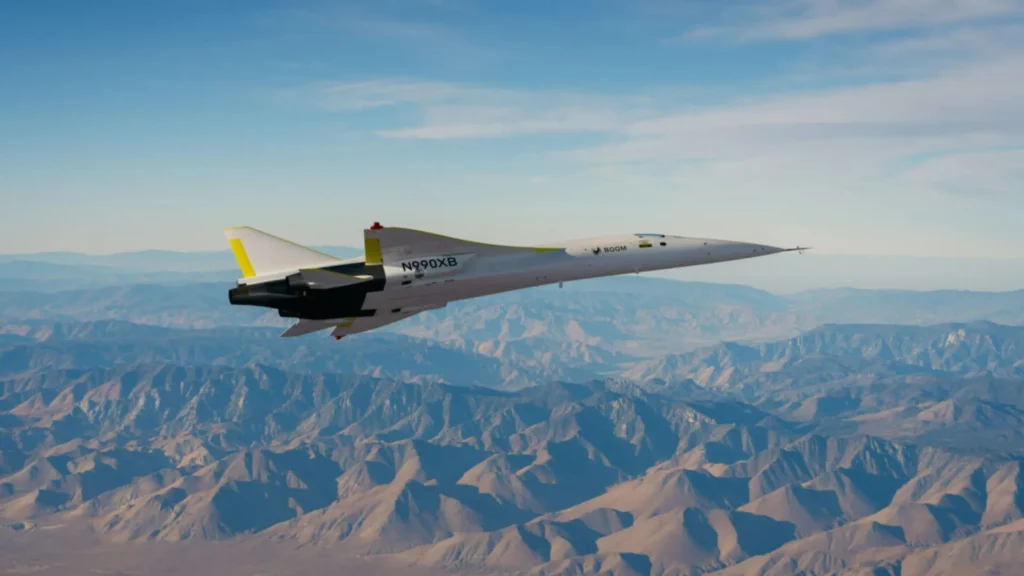
During this test, the XB-1 operated at an altitude of 25,040 feet, reaching a speed of Mach 0.82, equivalent to 487 knots airspeed.
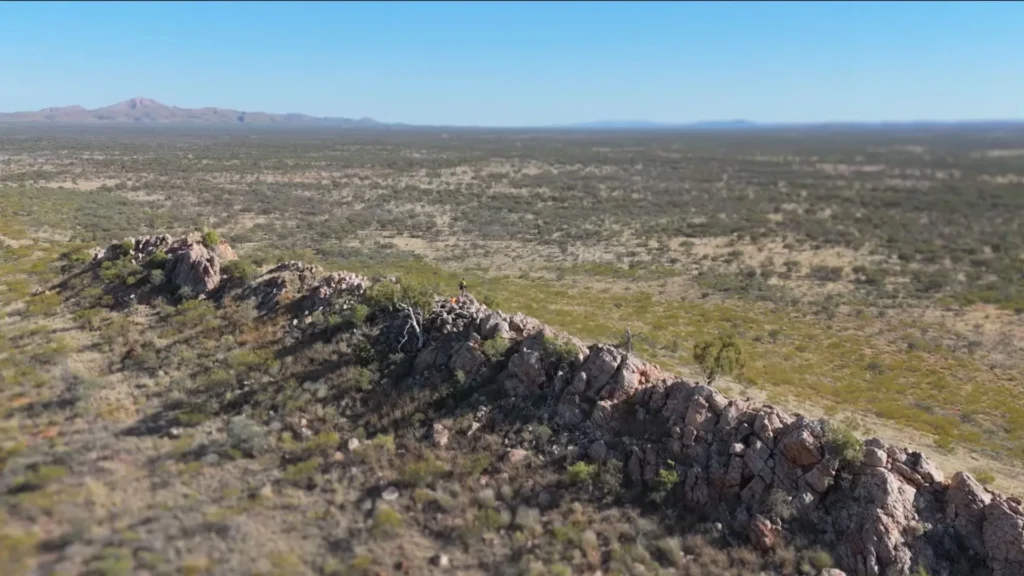
This strategic collaboration seeks to optimize resources and ensure the success of the Reynolds Range through a joint technical committee with representatives from both companies.
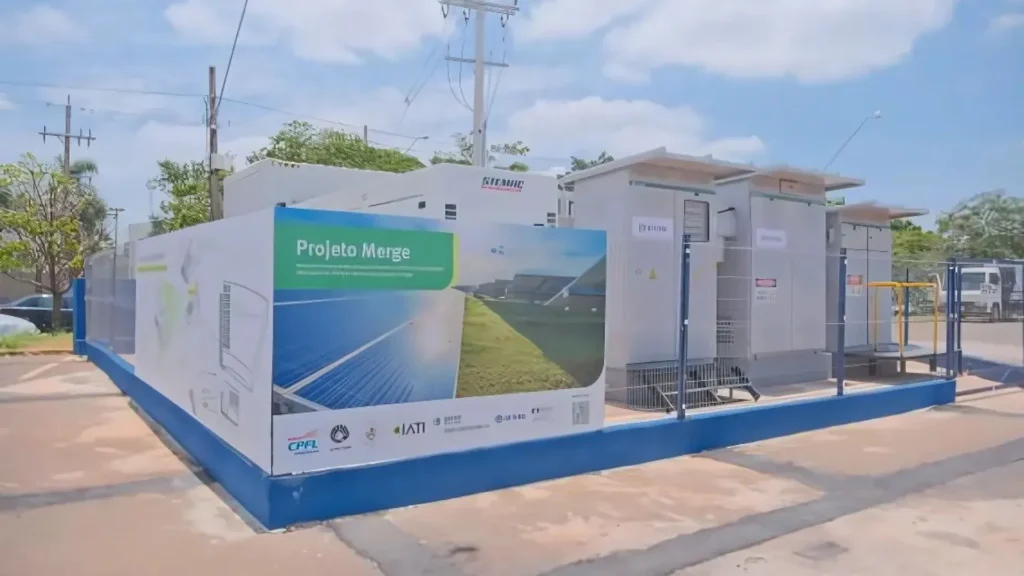
With CampusGrid, CPFL Energia and its partners are innovating and laying a solid foundation for the integration of renewable energies on university campuses.
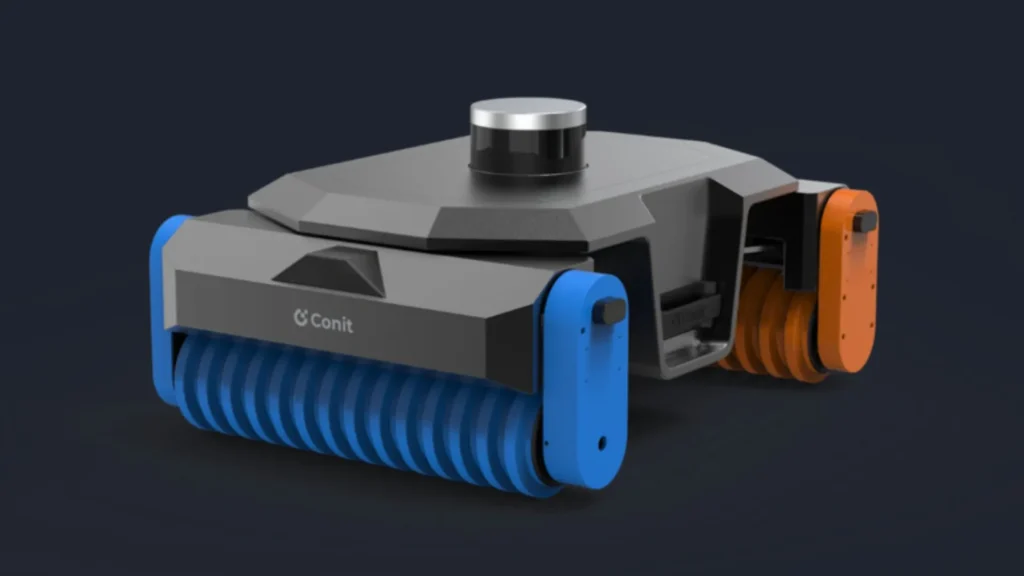
This robot integrates sensors, such as LiDAR and ultrasound, along with cameras and an inertial measurement unit (IMU).
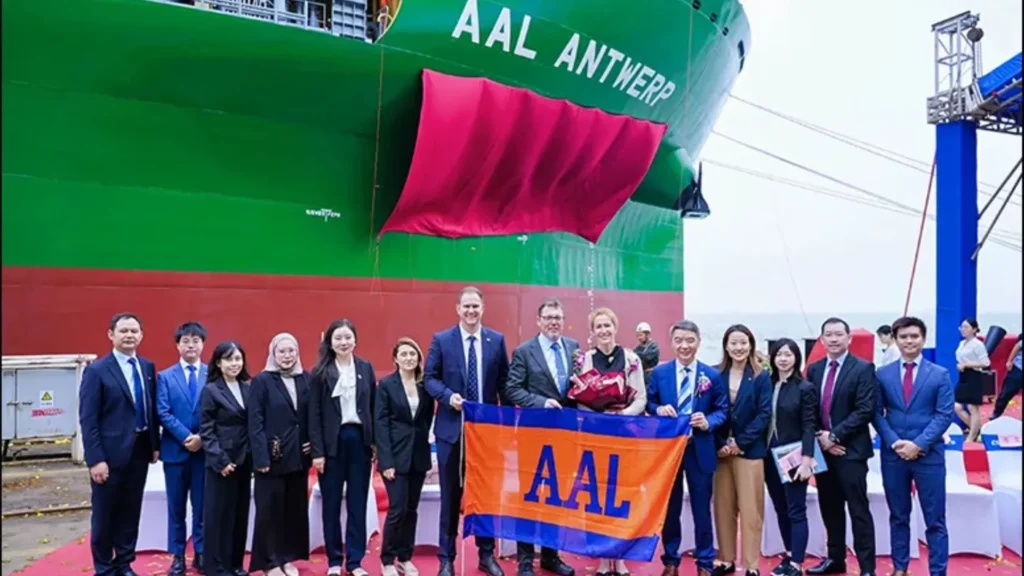
The company expands its fleet and implements advanced training programs and cutting-edge technology to optimize its operations.
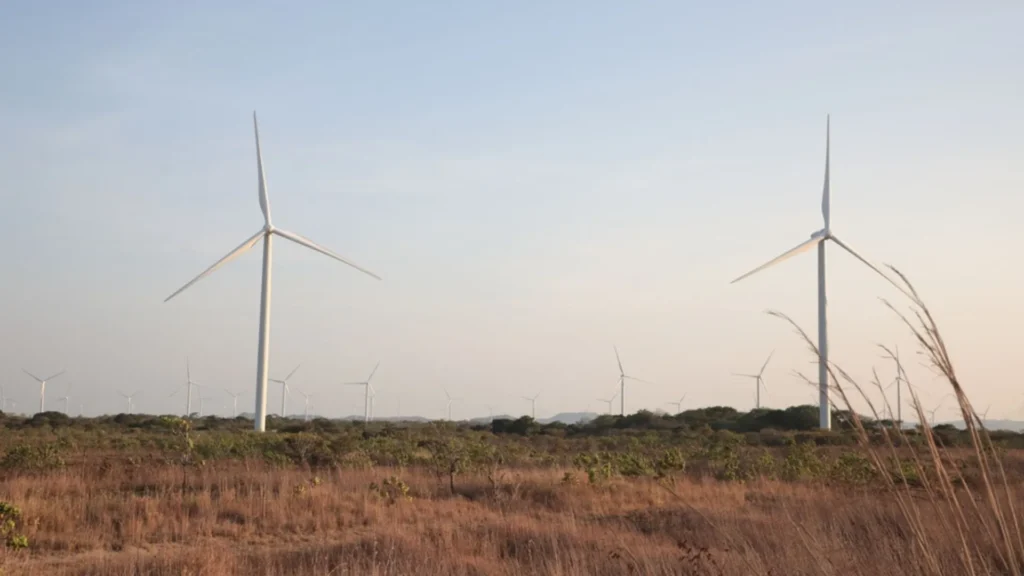
The projects represent a solution for the stability of the electrical grid and the transition towards renewable energy sources.
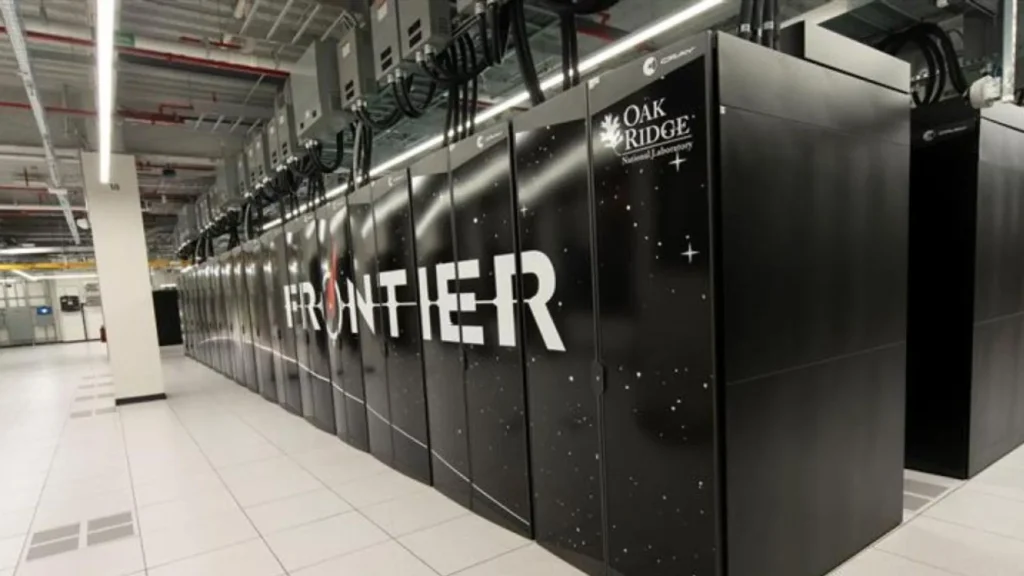
This technological advancement brings about major changes in the way scientists and developers approach research, exploring new research possibilities in a fraction of the time required.
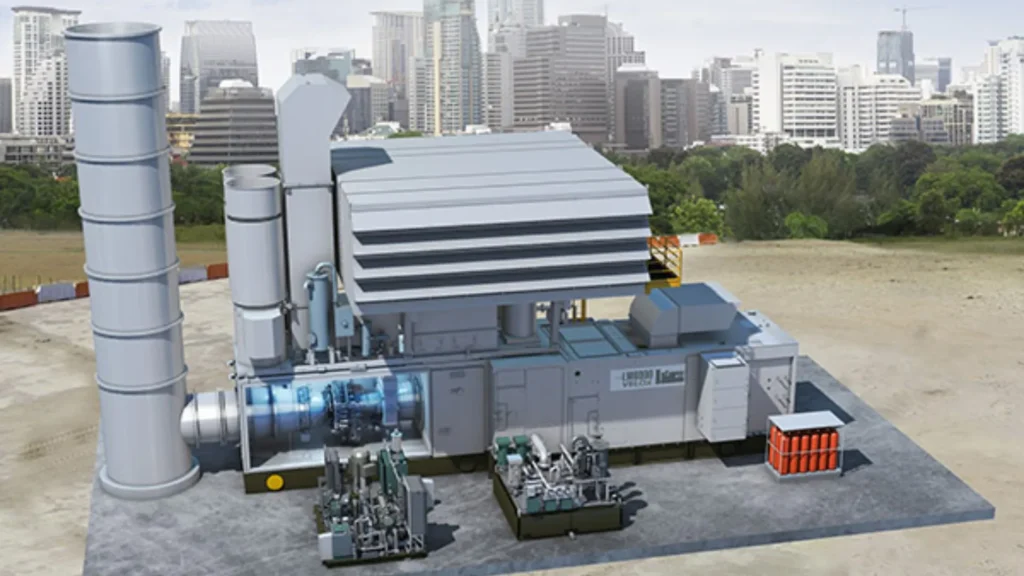
The project was developed to harness and use renewable hydrogen produced locally using solar and wind energy.
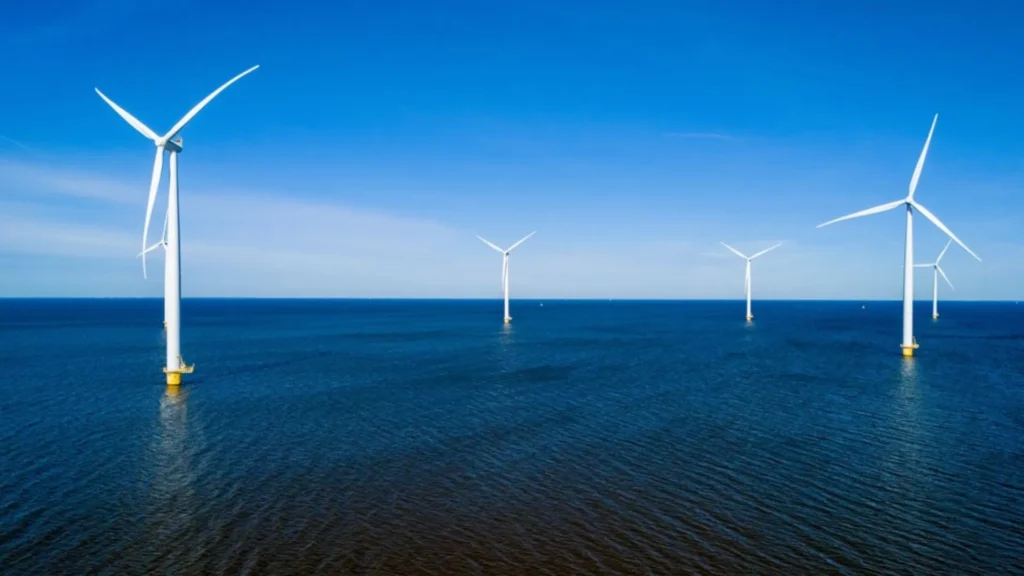
The project will deploy semi-submersible turbines to operate in deep waters, a requirement for Japan due to its historical seismic records.
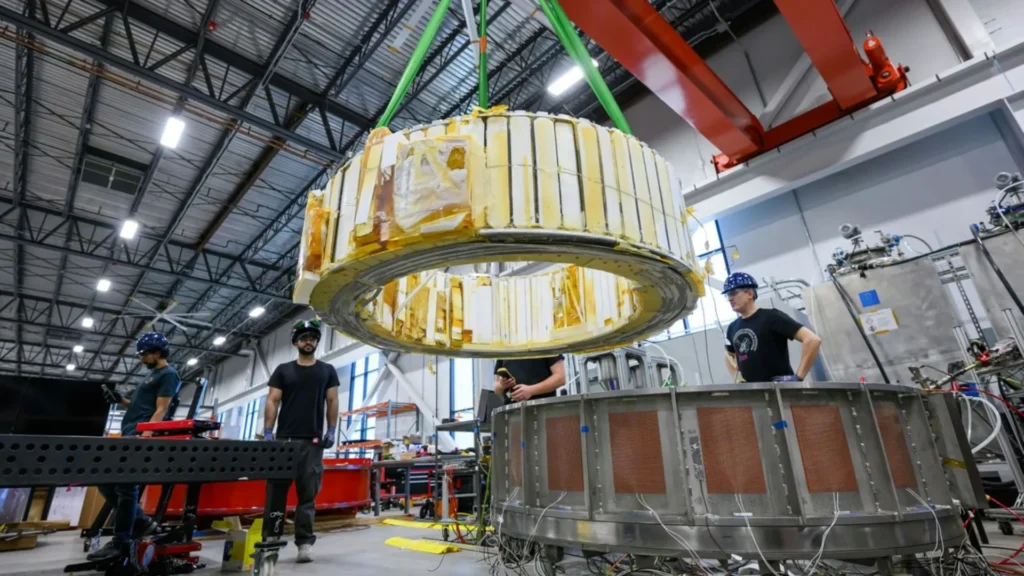
PIT VIPER wire manufacturing is important for pulsed power magnets, which could redefine the global energy industry.
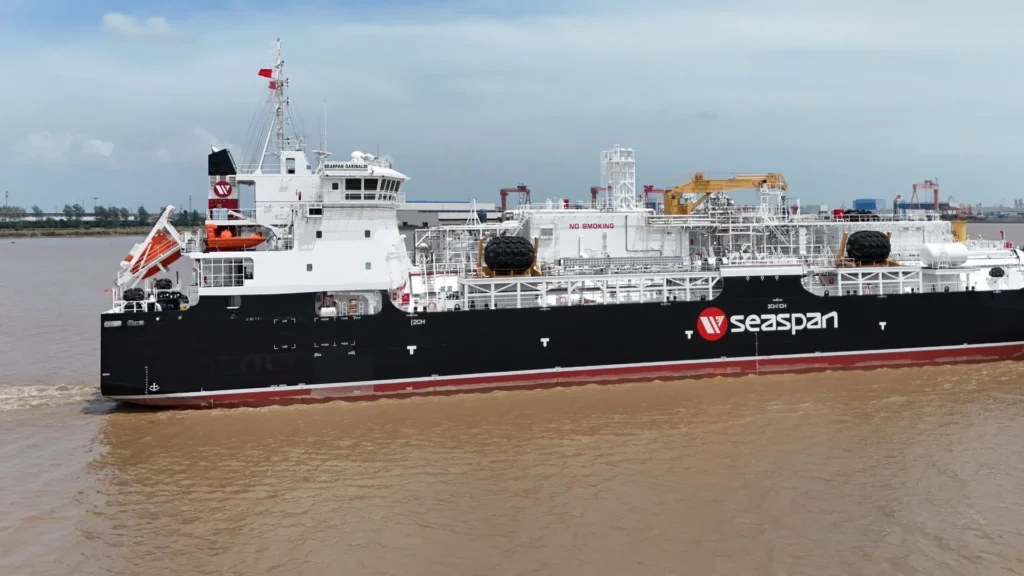
With the start of operations of its fleet, Seaspan Energy plans to optimize the supply of clean marine fuels.