Subsea Global receives permit to conduct underwater cleanup using C-ROV technology
The C-ROV system is capable of operating even at night, improving productivity and reducing the impact of biofouling on vessels.
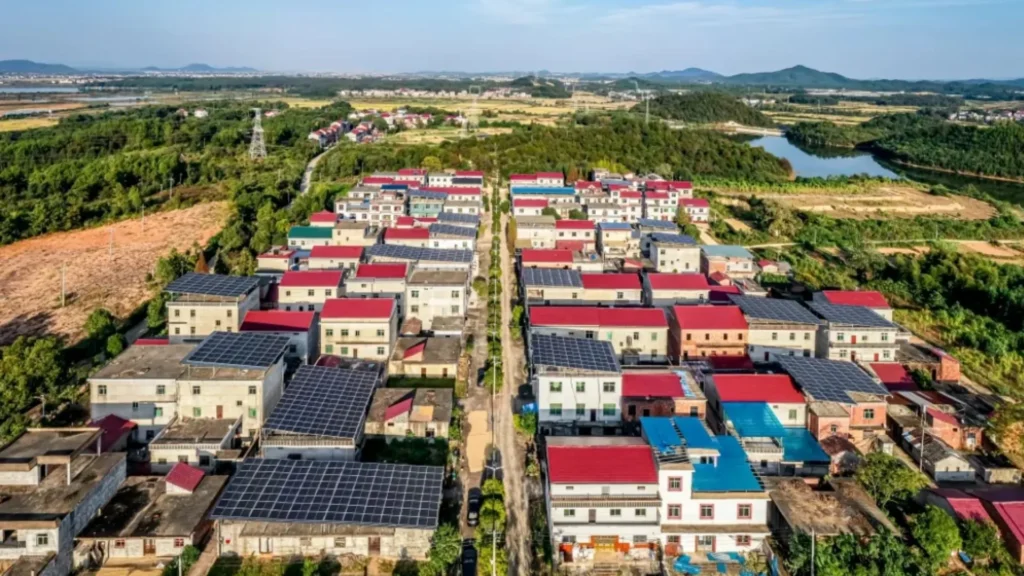
Local communities will benefit from the creation of new jobs in the construction and operation of solar facilities.
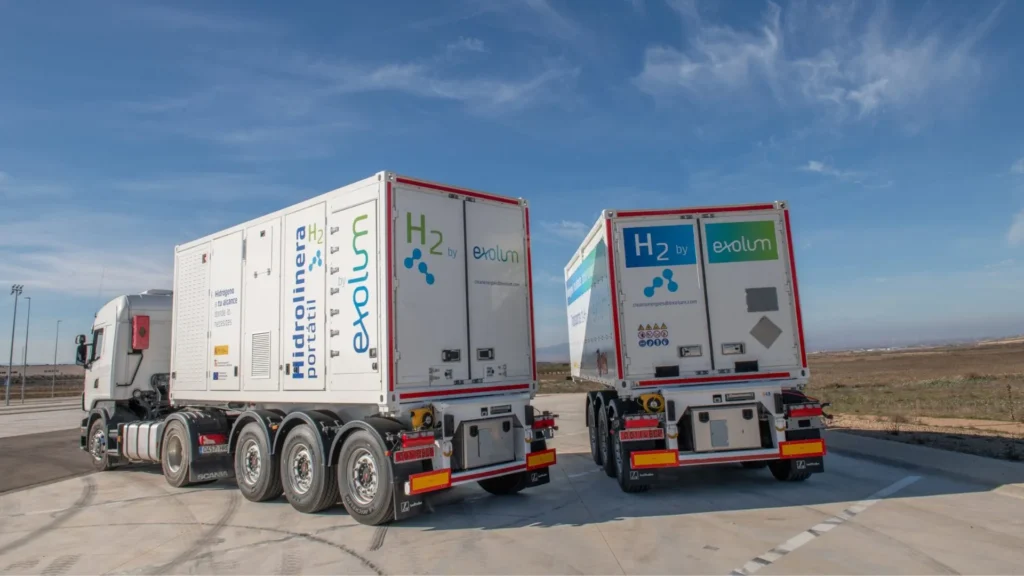
The company plans to produce hydrogen that will be used to make biodiesel and sustainable aviation fuel (SAF).
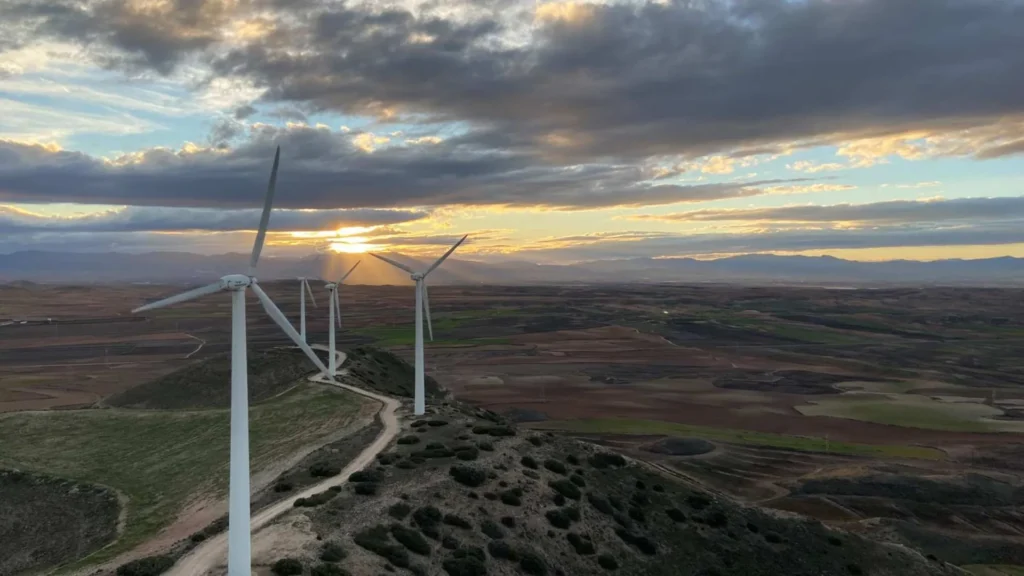
The company seeks to lead a project to design wind farms that integrate energy sustainability and biodiversity.
This conversion project is scheduled for completion in the first quarter of 2027.
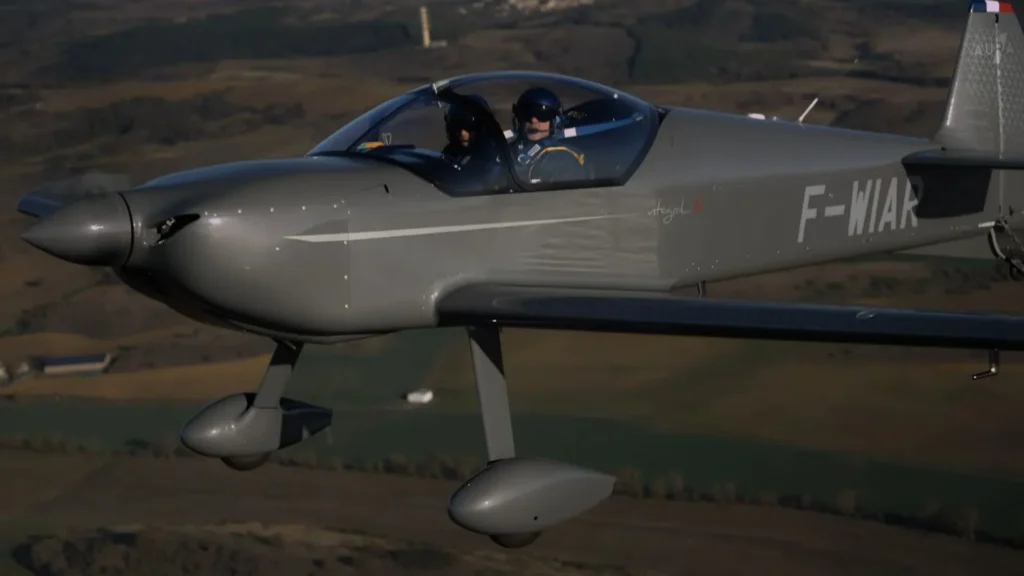
The success of the PigeonBot II tests is based on its ability to replicate these adjustments, using a reflexive control system.
The company has reused 2 GWh of used batteries, avoiding the generation of 8,500 metric tons of waste and 150 metric tons of carbon dioxide, after new uses, instead of disposing of them.
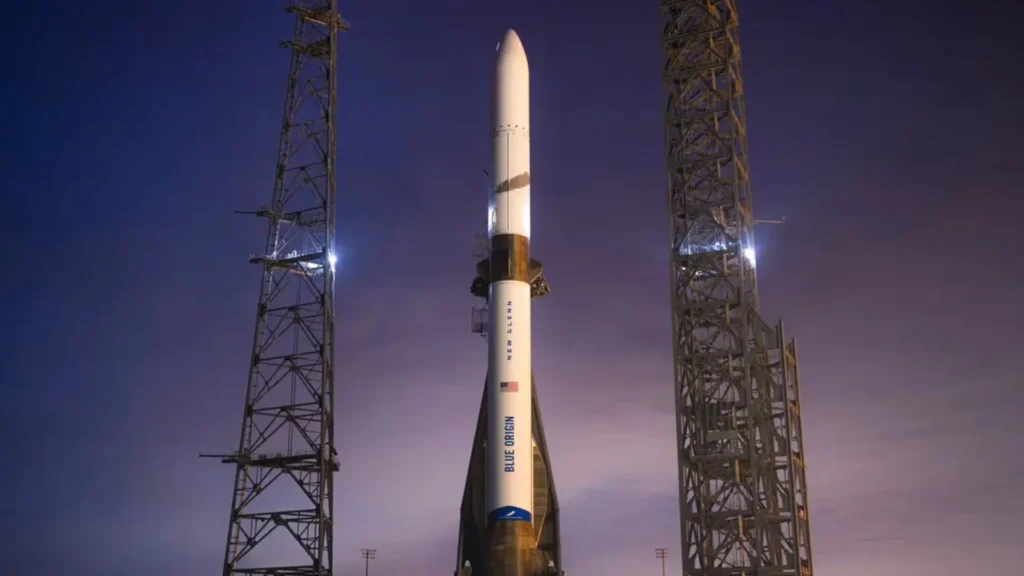
This rocket has a load capacity of 100 tons in low orbits and will be used for space exploration missions and the construction of strategic infrastructure.
The CSOV vessel has the capacity to accommodate up to 120 people, including technicians and official crew, very useful for the maintenance of offshore wind turbines.
During this test, the XB-1 operated at an altitude of 25,040 feet, reaching a speed of Mach 0.82, equivalent to 487 knots airspeed.
This strategic collaboration seeks to optimize resources and ensure the success of the Reynolds Range through a joint technical committee with representatives from both companies.
With CampusGrid, CPFL Energia and its partners are innovating and laying a solid foundation for the integration of renewable energies on university campuses.