


Isar Aerospace announces the first test flight of the Spectrum spacecraft
The company plans to conduct regular launches to meet the growing demand for small-scale satellites that require access to space.
The company plans to conduct regular launches to meet the growing demand for small-scale satellites that require access to space.
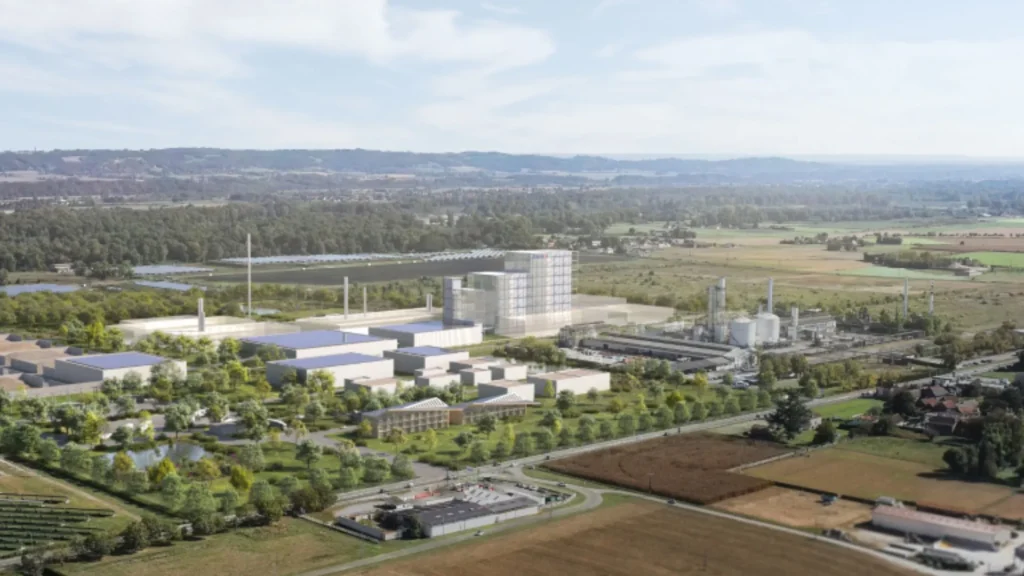
The European Union's main objectives establish a 70% share of SAF by 2050.
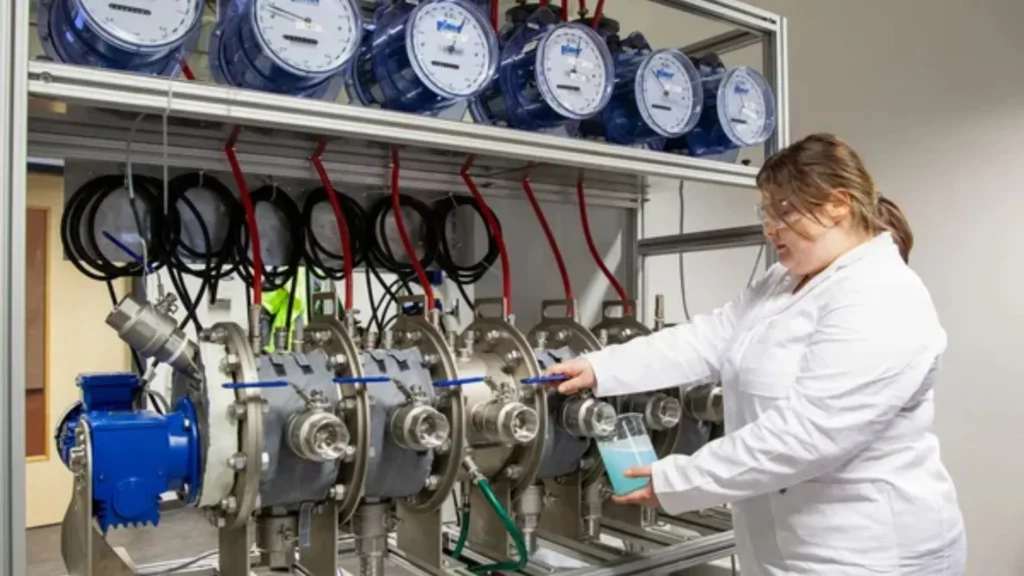
The project partners hope to continue their research to achieve more favorable results in the future.
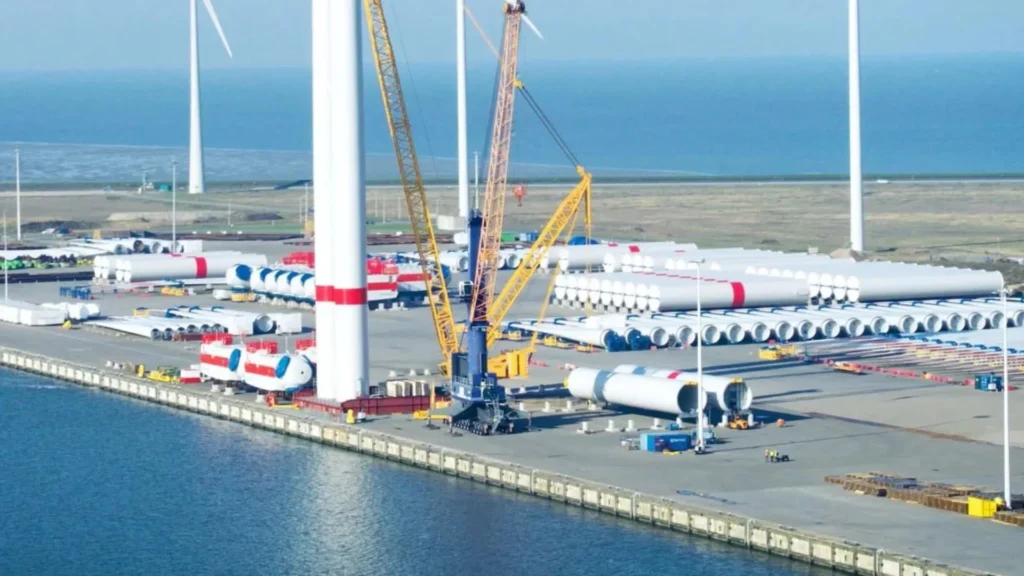
These types of infrastructures are essential to driving the transition toward a more sustainable circular economy.
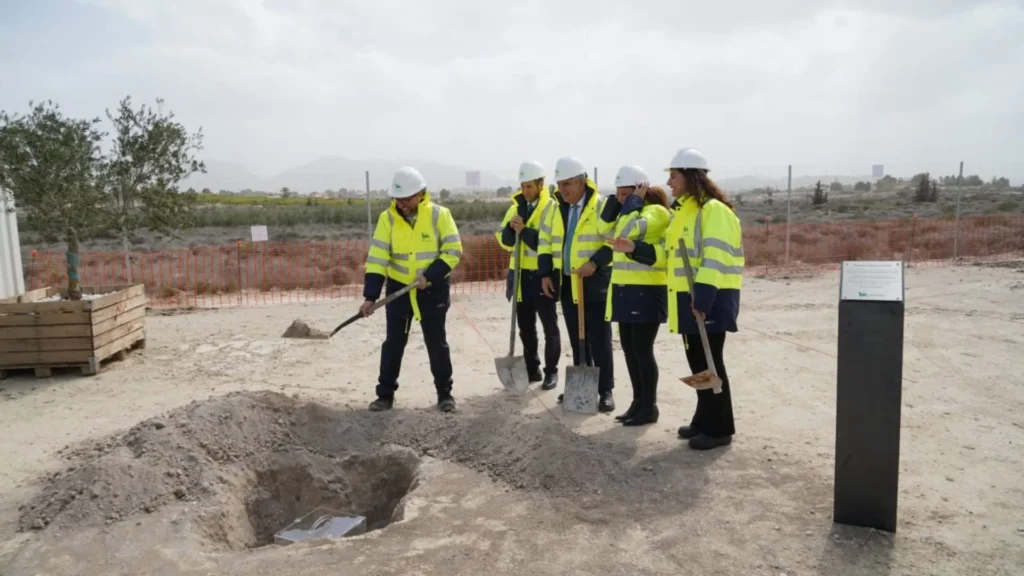
During the construction phases, this project will feature a battery system that will power the camp.
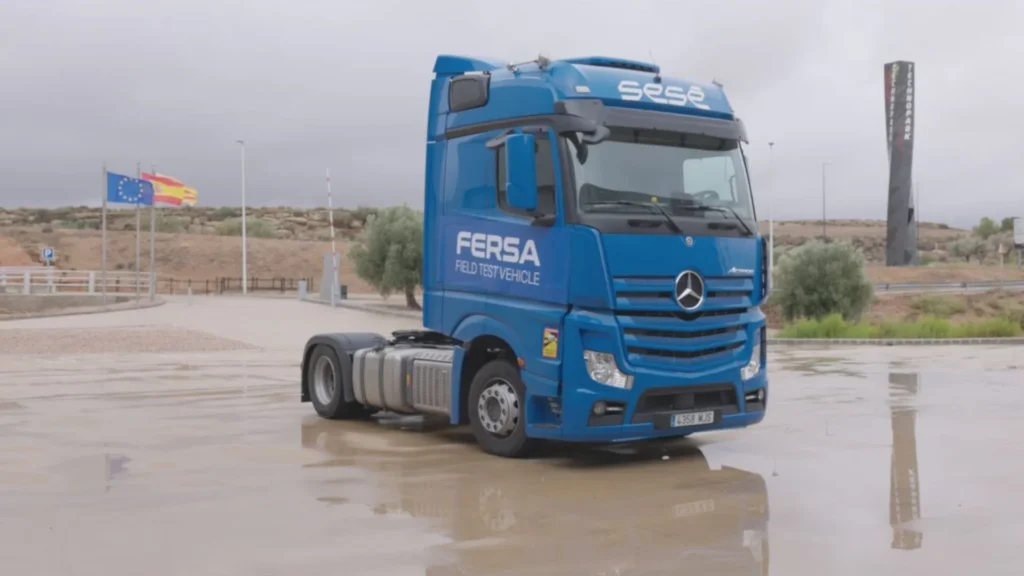
Heavy-duty transport fleets using these hubs will see a significant return on their investment, achieving significant long-term fuel savings.
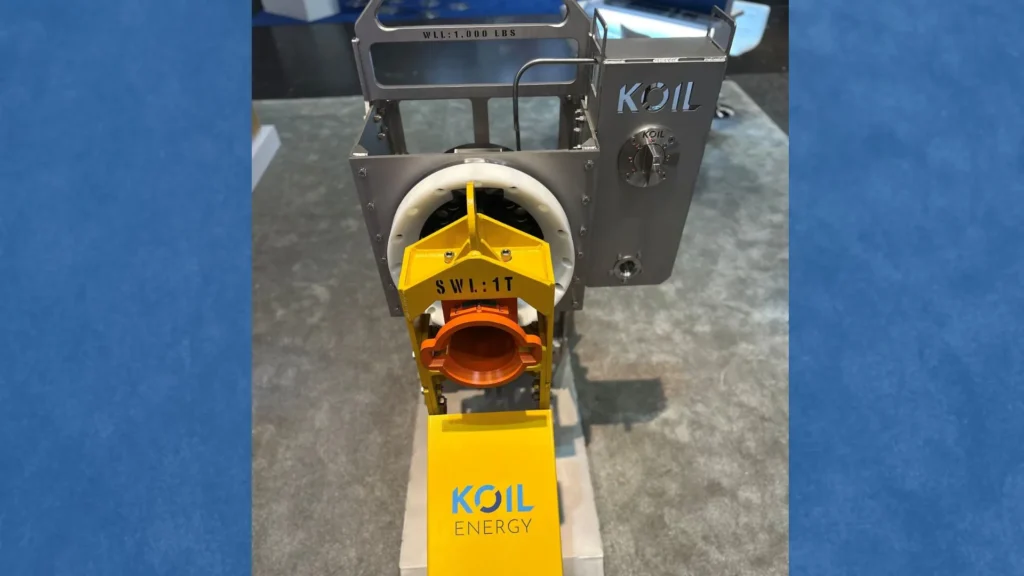
This project will be completed at KOIL's state-of-the-art manufacturing facility in Houston, Texas, with final delivery scheduled for the fourth quarter of this year.
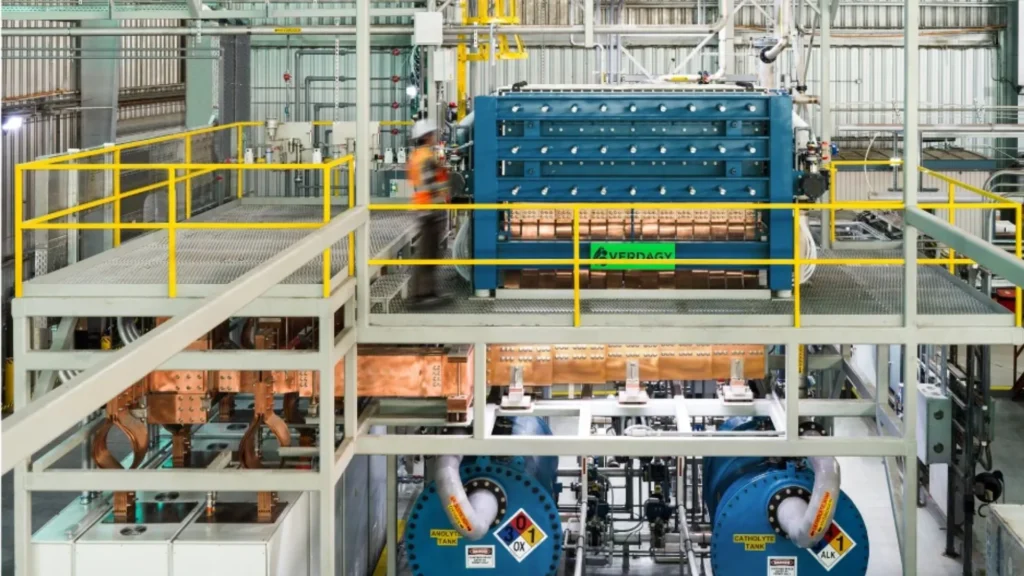
This project will use electrolyzers manufactured in the United States, contributing to the transition to clean energy.
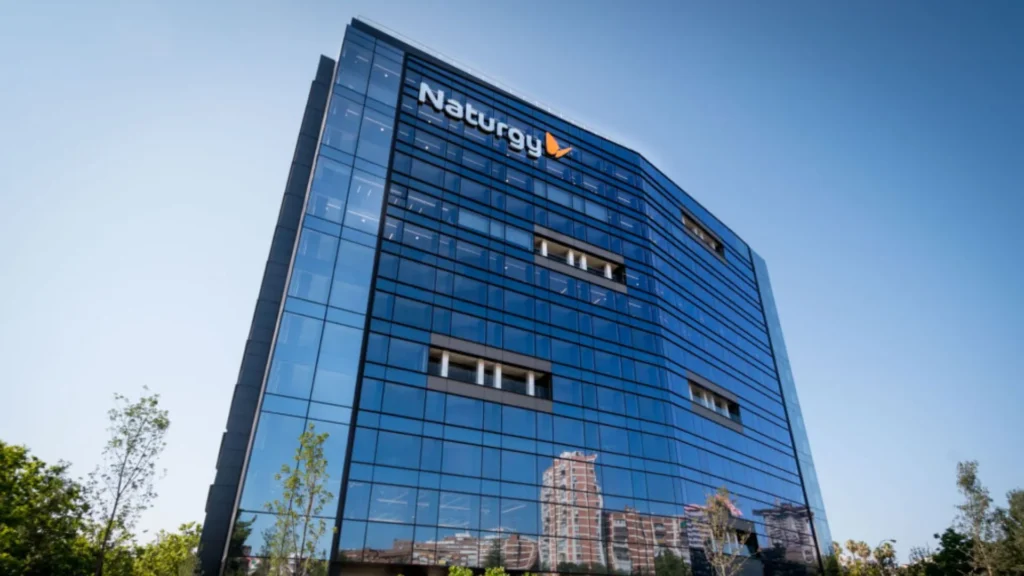
Naturgy continues its plan to become a leading company in promoting renewable gases on the Iberian Peninsula.

The cement sector is responsible for 8% of global CO₂ emissions, according to the World Economic Forum.
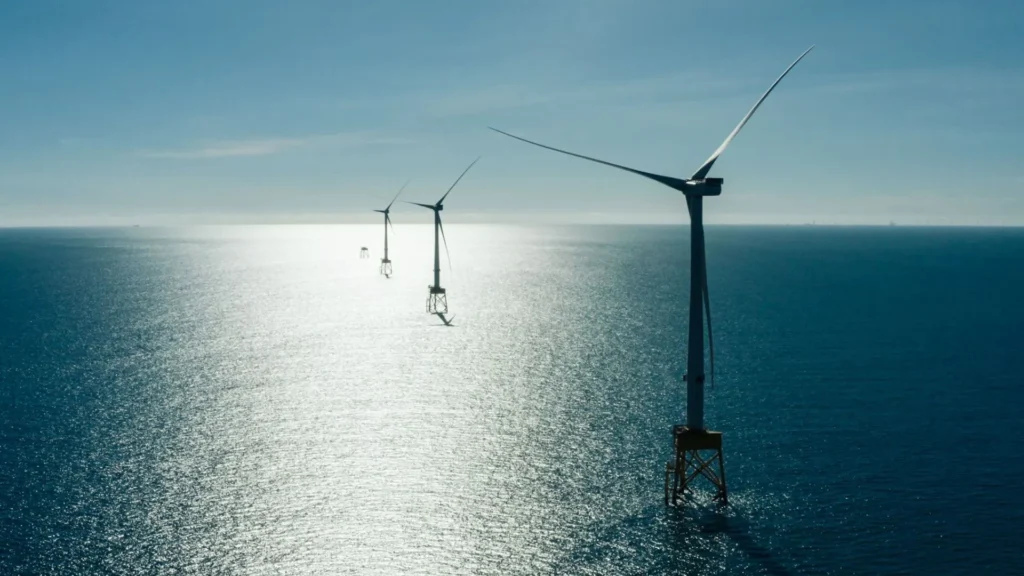
The construction phases of the Fengmiao I project are scheduled to be completed by the end of 2027.
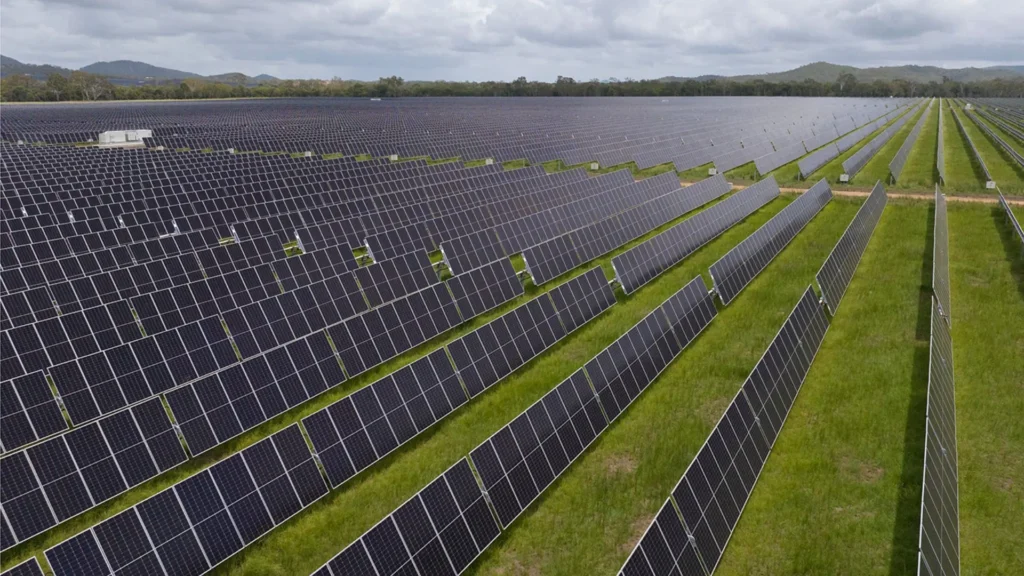
This agreement was supported by the Green Investment Policy of Cesce, a Spanish export credit agency.